Selling a home your family has held for years can feel very different from a typical move. You are not just preparing a property for the market. You are sorting through memories, making practical decisions, and trying to protect the value you have built over time. The good news is that in St. Paul, a successful sale usually comes down to smart preparation, honest disclosures, and steady planning, not an expensive overhaul. Let’s dive in.
Why longtime-home sales need a different plan
When you have lived in a home for a long time, the selling process often has more layers. Repairs may have been handled in stages over the years, storage areas may be full, and it can be hard to see the home the way a buyer will.
That is normal. It also means your plan should focus on the things that matter most to today’s buyers: condition, presentation, and realistic pricing. In St. Paul’s current market, that balanced approach matters.
What the St. Paul market means for you
As of May 2026, homes in St. Paul sold in about 22 days, received about two offers on average, and had a median sale price of $304,068. At the same time, Minnesota Realtors reported that new listings and pending sales were up and inventory had increased for 34 straight months, even though supply still remained below fully balanced levels.
For you, that means buyers are active, but they have more options than they did a few years ago. A home that is clean, well-presented, and priced realistically can still move well. A home that feels overpriced or needs obvious attention may sit longer.
Price for today, not for memory
Longtime family homes often carry deep emotional value. That value is real to you, but buyers will compare your home against what else is available right now in St. Paul.
That is why pricing strategy matters so much. In a market with growing inventory, realistic pricing helps attract serious interest early, which can support stronger offers and fewer price reductions later.
Focus on updates buyers notice
If you are wondering where to spend money before listing, keep your focus narrow. For many longtime homes, the best return comes from visible improvements and first impressions, not large discretionary remodels.
The 2025 Remodeling Impact Report found that real estate professionals most often recommend painting the entire home, painting one room, and new roofing before selling. The same report also found a 100% recovered cost for a new steel front door, and very strong homeowner satisfaction with kitchen upgrades and new roofing.
That does not mean you need to renovate everything. It means you should prioritize improvements that make the home feel cared for, functional, and move-in ready.
Updates worth considering first
- Fresh interior paint in neutral colors
- Minor wall and trim repairs
- Roofing updates if the roof is visibly worn or near the end of its life
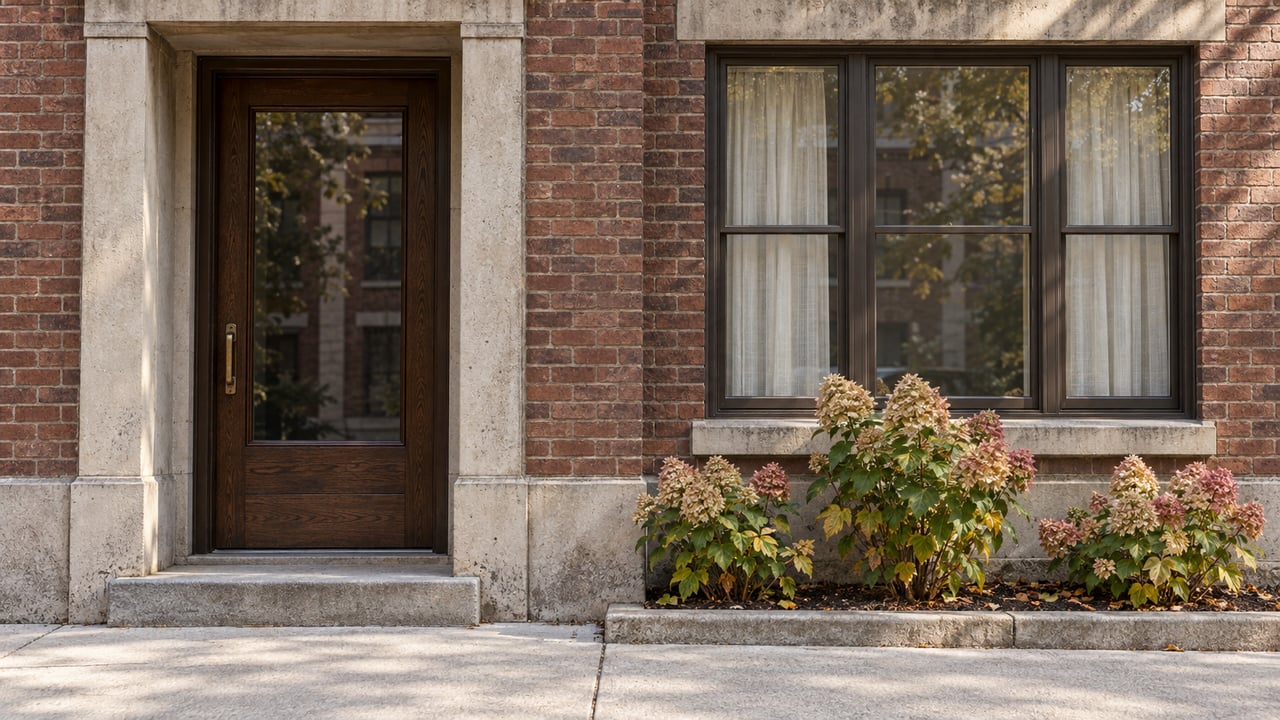
- A front door replacement if the current one looks tired or dated
- Improved lighting in dim rooms
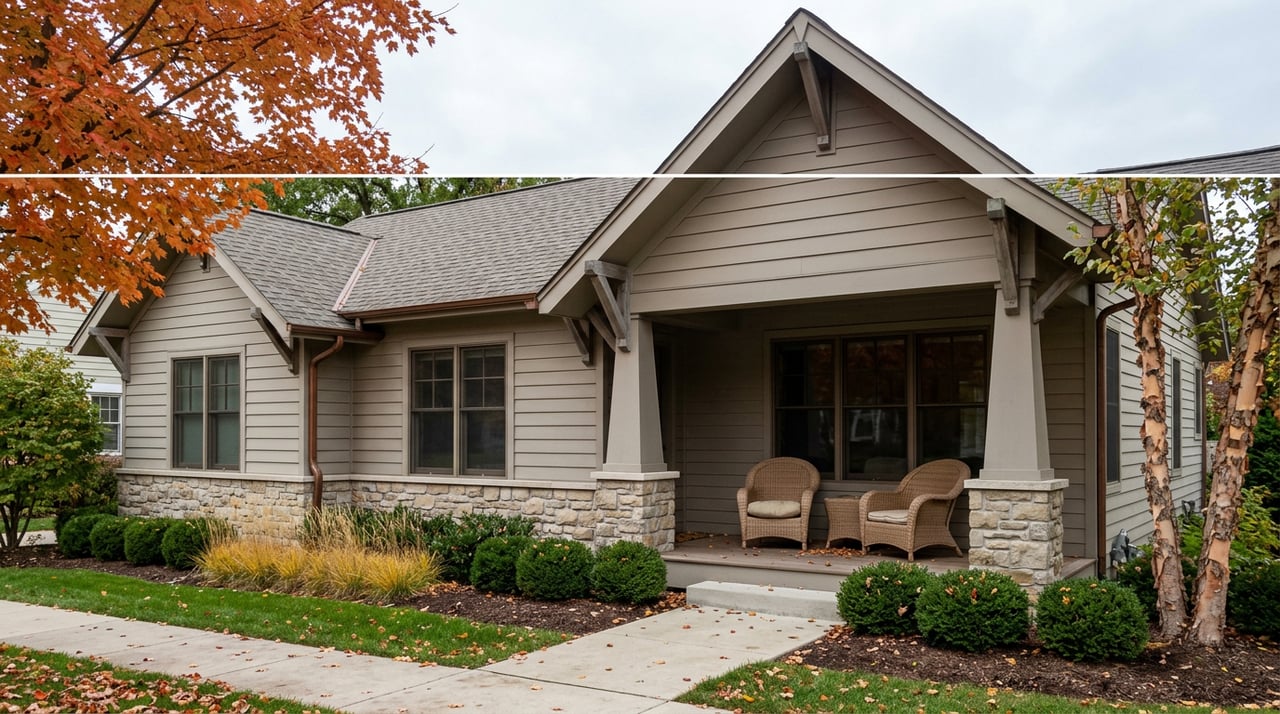
- Basic exterior touch-ups that strengthen curb appeal
Skip the makeover mindset
It is easy to assume an older home needs a big remodel to compete. In many cases, that is not the best use of your time or money.
Current buyer behavior supports a more practical strategy. The remodeling research shows many buyers are less willing to compromise on condition, which means they notice deferred maintenance and cosmetic issues quickly. Usually, fixing faults and improving presentation does more for your sale than starting a major project right before listing.
Decluttering is one of the biggest wins
After years in one home, belongings tend to expand into every closet, cabinet, and corner. Buyers are not judging your life. They are trying to understand the space.
That is why decluttering has such a strong impact. When rooms feel open and storage looks usable, buyers can more easily picture how the home might work for them.
A manageable way to start
Instead of treating the clean-out like one huge event, break it into small decisions. That approach is often easier emotionally and more sustainable day to day.
You might work in this order:
- Start with storage rooms, basements, and utility areas
- Pack away personal photos and highly personal decor
- Remove excess furniture that makes rooms feel smaller
- Keep closets about half full so storage looks generous
- Set aside items to keep, donate, discard, or place in temporary storage
NAR staging guidance supports this approach and recommends packing away personal items, using storage for excess furniture and boxes, and keeping the home clean, bright, and neutral.
Fix common buyer turnoffs
A longtime home can show beautifully without feeling stripped of character. The goal is to remove distractions that keep buyers from seeing the home clearly.
Common issues that can weaken a showing include odors, poor lighting, awkward room use, and overfilled storage. These are often fixable without a major investment.
Simple fixes that help showings
- Open window coverings to bring in more natural light
- Replace outdated or dim light bulbs
- Deep clean soft surfaces that may hold odors
- Define each room with a clear purpose
- Clear countertops and crowded shelves
- Store off-season gear and extra boxes elsewhere
Does staging matter in St. Paul?
In many cases, yes, but staging does not always mean bringing in a full truck of furniture and decor. Often, the biggest value comes from editing, arranging, and simplifying what is already there.
According to the 2025 Profile of Home Staging, 83% of buyers’ agents said staging helps buyers visualize a home. Among sellers’ agents, 29% reported a 1% to 10% increase in dollar value offered, and 49% said staging reduced time on market.
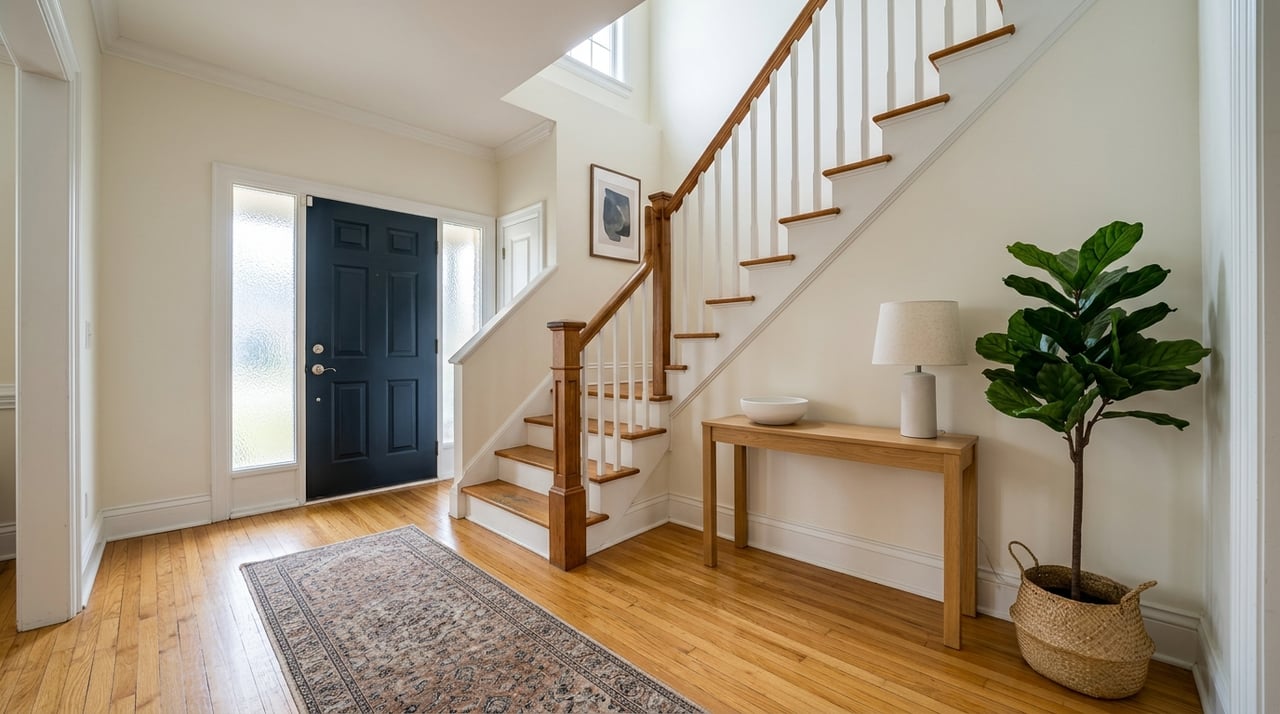
For a longtime family home, that often translates into practical steps like decluttering, removing worn or overly personal items, and making each room feel bright and functional.
Plan for disclosures early
Longtime ownership can also mean you know more about the house than a newer owner would. In Minnesota, that matters.
State law requires sellers to disclose material facts that could significantly affect a buyer’s use or enjoyment of the property. Separate Minnesota rules also require disclosure of known radon information and known wells when applicable.
If your home was built before 1978, federal law requires disclosure of known lead-based paint hazards, any available records, a lead warning statement, and a 10-day opportunity for buyers to inspect or test.
Why early disclosure planning helps
- You have time to gather records and past repair information
- You can identify questions before the home goes live
- You reduce the chance of delays during negotiations
- You present the home with clarity and credibility
Honest, organized disclosure is not just a legal step. It helps build buyer confidence.
Watch permit and preservation timing
If you are planning exterior updates before selling, check St. Paul requirements early. Timing can shift if permits or design review are needed.
The city states that structural revisions require a general building permit, and non-structural work over $500 usually needs a permit. Exterior work in historic preservation areas needs a permit regardless of value, and designated heritage sites or properties in local heritage districts may require design review through the city’s process.
For you, the key takeaway is simple: do not start exterior work based on assumptions. A quick early review can help you avoid delays that push back your listing date.
Don’t forget homestead status
If the home is homesteaded, Minnesota requires the owner to notify the county assessor within 30 days of moving or selling. It is a small administrative detail, but it is an important one to keep on your moving checklist.
When you are coordinating a sale, a move, and years of household decisions at once, simple reminders like this can prevent last-minute stress.
Coordinate the move with the sale
Many longtime owners are not just selling. They are downsizing, moving closer to family, or planning a major life transition.
That is why move coordination matters as much as pricing or presentation. A good selling plan should account for where you are going next, what support you need during packing, and how much time you realistically need to prepare the home.
Questions to answer early
- When do you want to move?
- Do you need time to sort and pack gradually?
- Will you need temporary storage?
- Are there repairs or updates to schedule before listing?
- Do you need flexibility between closing and your next move?
A calm plan protects both your timeline and your decision-making.
The best results usually come from steady preparation
Selling a longtime family home in St. Paul is rarely about doing everything. More often, it is about doing the right things in the right order.
That means realistic pricing for today’s market, targeted updates that improve condition and first impressions, thoughtful decluttering, complete disclosures, and a move plan that respects your timeline. With experienced guidance, this kind of sale can feel much more manageable.
If you are preparing to sell a longtime home in St. Paul and want clear, experienced advice on pricing, preparation, and timing, connect with Renée Wilson for a personal consultation.
FAQs
What should you fix before selling a longtime home in St. Paul?
- Focus first on visible condition issues such as paint, minor repairs, lighting, roofing concerns, and curb appeal items that affect first impressions.
How fast are homes selling in St. Paul right now?
- As of May 2026, homes in St. Paul were selling in about 22 days on average.
Do you need to declutter before listing a family home in St. Paul?
- Yes. Decluttering helps buyers understand the space, makes storage look larger, and supports stronger presentation during showings.
What disclosures are required when selling a home in Minnesota?
- Minnesota sellers must disclose material facts that could significantly affect use or enjoyment of the property, along with known radon information and known wells when applicable.
Do older St. Paul homes need lead-based paint disclosure?
- If the home was built before 1978, sellers must provide the required federal lead-based paint disclosures and give buyers a 10-day opportunity to inspect or test.
Should you check permits before updating a St. Paul home for sale?
- Yes. St. Paul may require permits for structural revisions, many non-structural projects over $500, and exterior work in historic preservation areas.