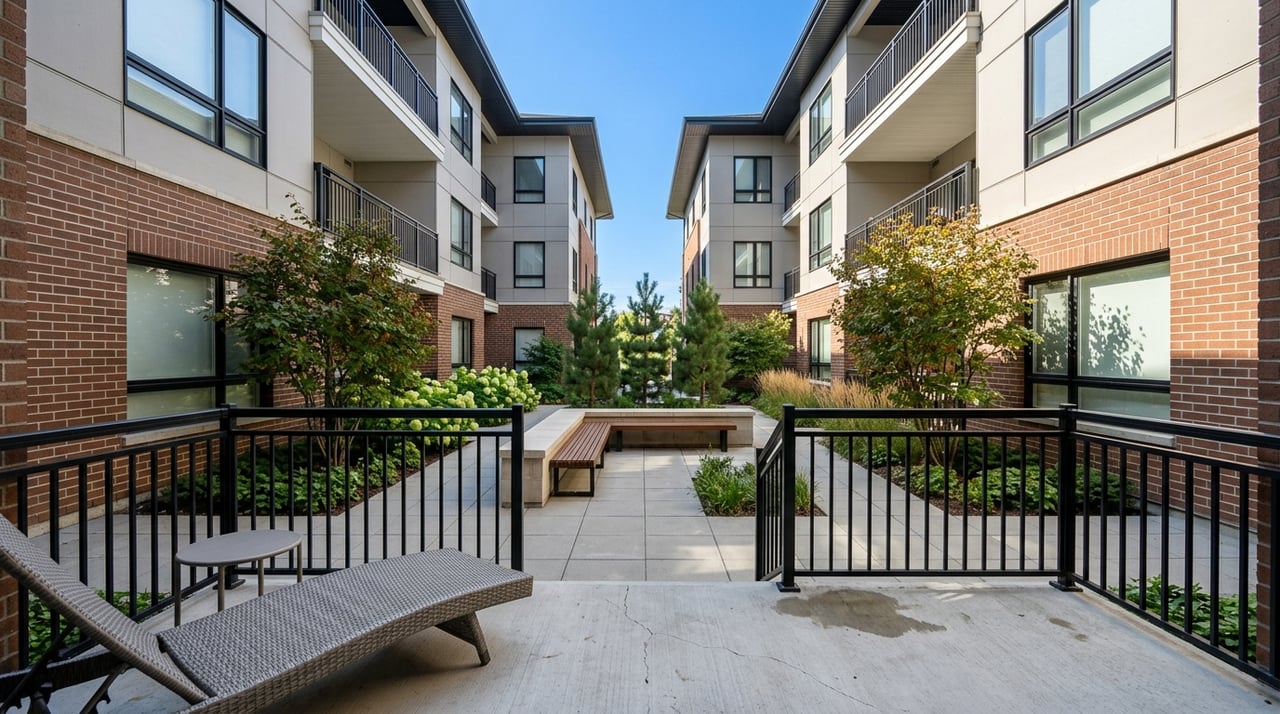
If you are deciding between a condo and a classic home in St. Paul, you are not alone. Many buyers want the right mix of convenience, comfort, and long-term value, but the best fit often depends on how you want to live day to day. In this guide, you will see how condo living compares with classic single-family homes in St. Paul, what tradeoffs to expect, and which questions to ask before you make a move. Let’s dive in.
Why This Choice Matters in St. Paul
St. Paul offers a wide range of housing choices, and that variety is part of the city’s identity. The city describes itself as a city of neighborhoods, while downtown continues to grow as a residential hub with historic character and transportation access.
That means your decision is not just about square footage or price. It is also about whether you want a lower-maintenance urban lifestyle, or the privacy and flexibility that often come with an older detached home in an established area.
Condo Prices vs Home Prices
For many buyers, price is the first big factor. Recent market snapshots suggest condos in St. Paul often offer a lower entry point than the broader market.
Redfin shows 156 condos for sale in St. Paul at a median listing price of $205,000. Realtor.com places St. Paul’s overall median listing price at $280,000 as of April 2026, and Redfin reported a citywide median sale price of $294,850 in March 2026.
That gap can matter if you want to buy in the city while keeping your purchase price lower. It may also open the door to neighborhoods or locations that feel harder to reach with a detached-home budget.
What Condo Living Looks Like
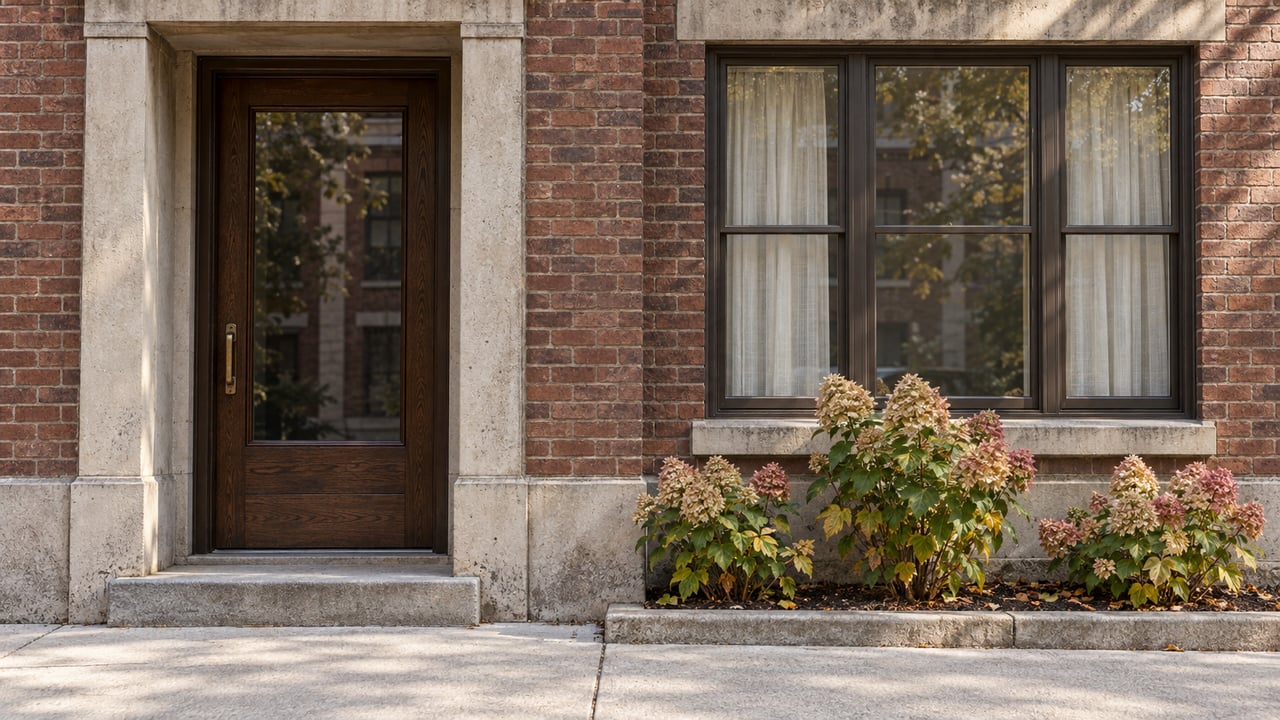
Condo living in Minnesota usually means ownership within a common interest community. In practice, that means you own your unit and share responsibility for common areas through an association governed by Minnesota law and the community’s own documents.
For many buyers, the main appeal is simpler upkeep. The Minnesota Attorney General notes that condo and townhome ownership can reduce chores like snow removal and yard work, which can be a major benefit if you want less weekend maintenance.
In St. Paul, that convenience often pairs well with city living. Downtown is a major transportation hub connected to freeways, the Green Line, buses, Amtrak, Greyhound, the regional bicycling system, and the airport, and city planning also aims to support walkability and reduce car dependency.
The Tradeoffs of Condo Ownership
Lower maintenance does not mean fewer responsibilities. Condo owners typically pay association dues, share common spaces, and may face special assessments if regular assessments and reserve funds are not enough.
You will also want to be comfortable with association rules. Boards may set policies that affect parking, pets, smoking, noise, and renting, which can shape your daily experience more than many buyers expect.
Parking can be especially important in St. Paul. The city operates residential parking permits in some areas near heavier nonresidential use, so if a condo relies on street parking, it is smart to understand how that works before you buy.
What Classic Homes Offer
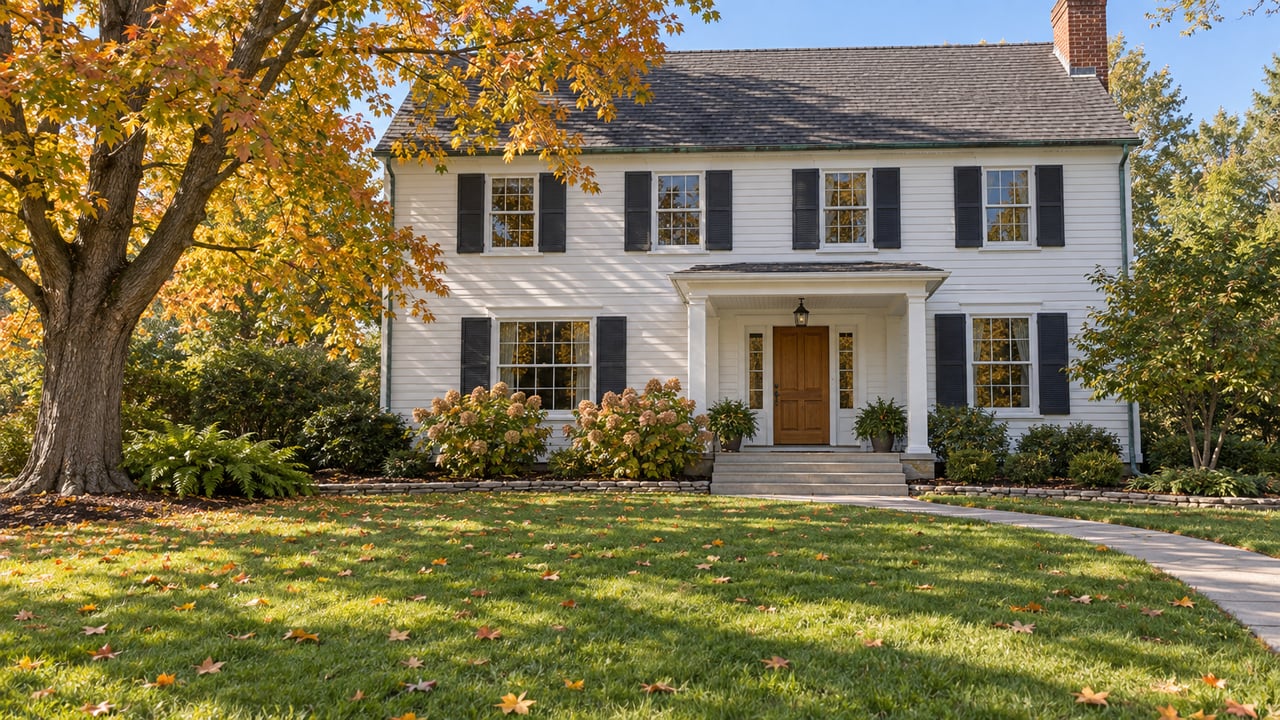
Classic single-family homes in St. Paul often attract buyers who want more privacy, more control, and a stronger sense of separation from neighbors. You may also value a yard, extra storage, or the freedom to make changes without association approval.
Older homes can offer a lot of character. The Minnesota Attorney General notes that older homes may include higher-quality materials, and buyers are often drawn to the feel of mature neighborhoods and the permanence that comes with them.
In St. Paul, that appeal shows up across long-established areas with older housing stock and strong neighborhood identity. The city’s plans reference places like Summit Hill, Macalester-Groveland, and Highland Park for their historic character, established homes, and pedestrian-friendly streets.
The Reality of Older-Home Ownership
A classic home can give you more independence, but it usually asks more of you in return. Yard work, snow removal, exterior care, and ongoing repairs typically fall on the homeowner.
Older systems are another factor. According to the Minnesota Attorney General, older wiring, plumbing, heating systems, and insulation may be weaker than what you would find in newer homes.
That does not make an older home a poor choice. It simply means you should budget for maintenance, look carefully at the condition of major systems, and think honestly about how much hands-on responsibility you want.
Lifestyle Questions to Ask Yourself
When buyers compare condos and classic homes, the right answer usually comes down to lifestyle. A few simple questions can help clarify what matters most to you.
Choose a condo if you value
- Lower day-to-day maintenance
- A potentially lower purchase price
- Shared amenities or common spaces
- Easier access to downtown transportation and urban destinations
- A more lock-and-leave ownership style
Choose a classic home if you value
- More privacy
- Yard space and outdoor flexibility
- Greater control over renovations and use
- Separation from shared walls and shared rules
- The character of older homes in established neighborhoods
St. Paul-Specific Due Diligence
No matter which property type you choose, St. Paul has local requirements that buyers and sellers should understand. The city requires a Truth-in-Sale of Housing evaluation before marketing a single-family home, duplex, condo, or townhome, and the report must be available to buyers within three calendar days of listing.
The city describes that report as disclosure-only, and it also recommends that buyers hire their own independent inspector. That is an important step whether you are considering an older house with aging systems or a condo unit within a larger building.
For common interest community sales, St. Paul also requires a Smoking Policy Disclosure form. That form tells buyers the association’s smoking policy, which may affect your comfort with the property and building.
Condo Documents You Should Review
Condo due diligence usually goes beyond a standard home showing and inspection. Before you move forward, take time to review the association’s records and rules carefully.
Key documents and topics include:
- Declaration
- Bylaws
- Articles
- Rules and regulations
- Current budget
- Most recent financial statement
- Reserve funding
- Any pending judgments or lawsuits
- Dues history
- Owner occupancy information
- Whether special assessments may be imposed
These items help you understand the health of the association and what ownership will really feel like. They can also reveal future costs or restrictions that are easy to miss if you focus only on the unit itself.
How to Think About Resale
Both condos and classic homes can be solid choices, but they tend to appeal to different buyers. Condos may attract buyers looking for convenience, lower upkeep, and central access, while classic homes often appeal to buyers who want space, privacy, and autonomy.
In St. Paul’s current market, homes have been receiving about two offers on average and selling in around 32 days, according to Redfin’s March 2026 snapshot. That tells you demand is active, but your resale experience will still depend on property condition, pricing, location, and how well the home fits what buyers want in that part of the city.
Which Option Is Right for You?
If you want a lower-maintenance lifestyle, easier urban access, and a lower typical entry price, a condo may be the better fit. If you want privacy, outdoor space, and more control over your home, a classic St. Paul house may be worth the added upkeep.
Neither option is better across the board. The smartest choice is the one that matches your budget, your routines, and how you want to live over the next several years.
With decades of Twin Cities market experience, Renée Wilson offers calm, personal guidance to help you compare options, understand the local details, and move forward with confidence.
FAQs
What is the main difference between condo living and classic homes in St. Paul?
- Condos usually offer lower-maintenance ownership and shared rules and costs, while classic homes usually offer more privacy, yard space, and control but require more upkeep.
Are condos usually more affordable than single-family homes in St. Paul?
- Recent market snapshots show St. Paul condos at a median listing price of $205,000, compared with an overall city median listing price of $280,000.
What should condo buyers review before buying in St. Paul?
- You should review the association’s declaration, bylaws, articles, rules, budget, financial statement, reserve funding, dues history, and any pending judgments or lawsuits.
What disclosures are required when buying a home in St. Paul?
- St. Paul requires a Truth-in-Sale of Housing evaluation before marketing a single-family home, duplex, condo, or townhome, and common interest community sales also require a Smoking Policy Disclosure form.
Are older homes in St. Paul more expensive to maintain?
- They can be, because older wiring, pipes, heating systems, and insulation may be weaker than in newer homes, so inspections and repair planning are important.