Choosing between a newer neighborhood and an established one in Eden Prairie is not just about home style. It is about how you want to live, what kind of upkeep you want to manage, and how a home fits your budget over time. If you are weighing both options, understanding how Eden Prairie grew and where it is headed can help you make a more confident decision. Let’s dive in.
Eden Prairie’s housing pattern matters
Eden Prairie did not grow all at once. The city’s major suburban expansion followed transportation and retail growth, with the city noting that Flying Cloud Airport signaled early development in 1946 and that Interstate 494 and Eden Prairie Center raised the city’s profile in the mid-1970s.
Today, Eden Prairie has about 63,075 residents and 25,665 households. It is also a largely owner-occupied city, with a 76.1% owner-occupied rate, which helps explain why many buyers compare long-term livability just as closely as price.
The city’s 2040 comprehensive plan says Eden Prairie is largely built out. That is important because it means your choice is often not between a large number of brand-new subdivisions and older areas, but between established neighborhoods and a more limited supply of newer or redevelopment-based housing.
What counts as an established neighborhood
In Eden Prairie, established neighborhoods are generally tied to the city’s biggest growth years from the 1970s through the 1990s. According to the city housing study, 16% of units were built in the 1970s, 35% in the 1980s, and 24% in the 1990s.
That age range makes up the core of Eden Prairie’s housing stock. In fact, the same study found that only 8% of housing units were built before 1970, while about 75% were built from 1970 through 1999.
For many buyers, that means an established Eden Prairie neighborhood is not unusually old by Twin Cities standards. More often, it means a mature suburban setting shaped by the city’s main growth era.
What counts as a newer neighborhood
Newer housing in Eden Prairie is relatively limited. At the time of the city’s housing study, only 1% of units were built in 2010 and newer.
That small share matters. Because the city is largely built out, future housing supply is more likely to come from infill, redevelopment, or transit-area projects than from large greenfield subdivisions.
In practical terms, newer neighborhoods or communities in Eden Prairie may feel different from the city’s 1970s to 1990s pattern. They are more likely to reflect the city’s current planning direction rather than its earlier suburban layout style.
How established neighborhoods often feel
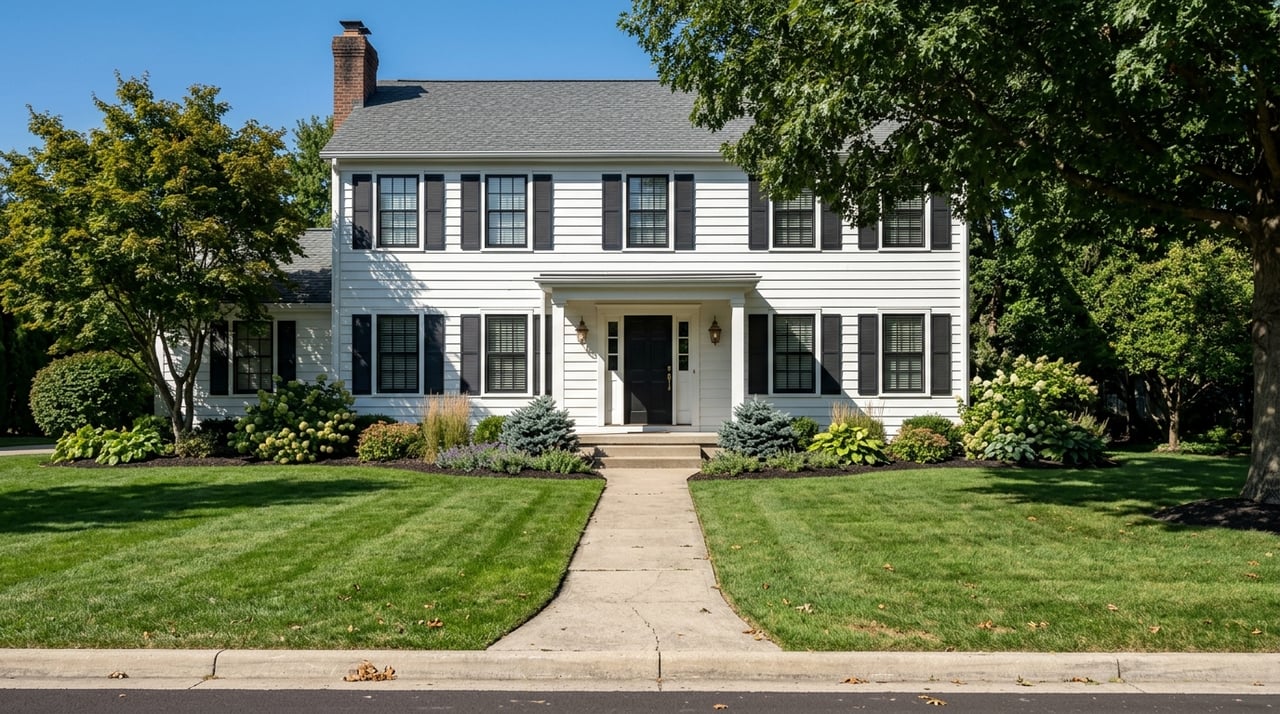
Established neighborhoods in Eden Prairie often reflect more conventional suburban platting. Based on the city plan, these areas are more likely to have the layout patterns associated with earlier suburban growth rather than small-lot neo-traditional design.
That does not guarantee any specific lot size, street pattern, or home style in a given subdivision. Still, it gives you a useful framework when you tour homes and compare how neighborhoods function day to day.
Another feature of established areas is that reinvestment matters. The city plan notes that older neighborhoods are approaching the lifespan of some utilities, equipment, and structural elements, and it calls for reinvestment in older housing stock and neighborhoods.
For you as a buyer, the tradeoff is often straightforward. You may get a settled residential setting, but you may also need to budget for more owner-funded updates over time.
How newer neighborhoods often feel
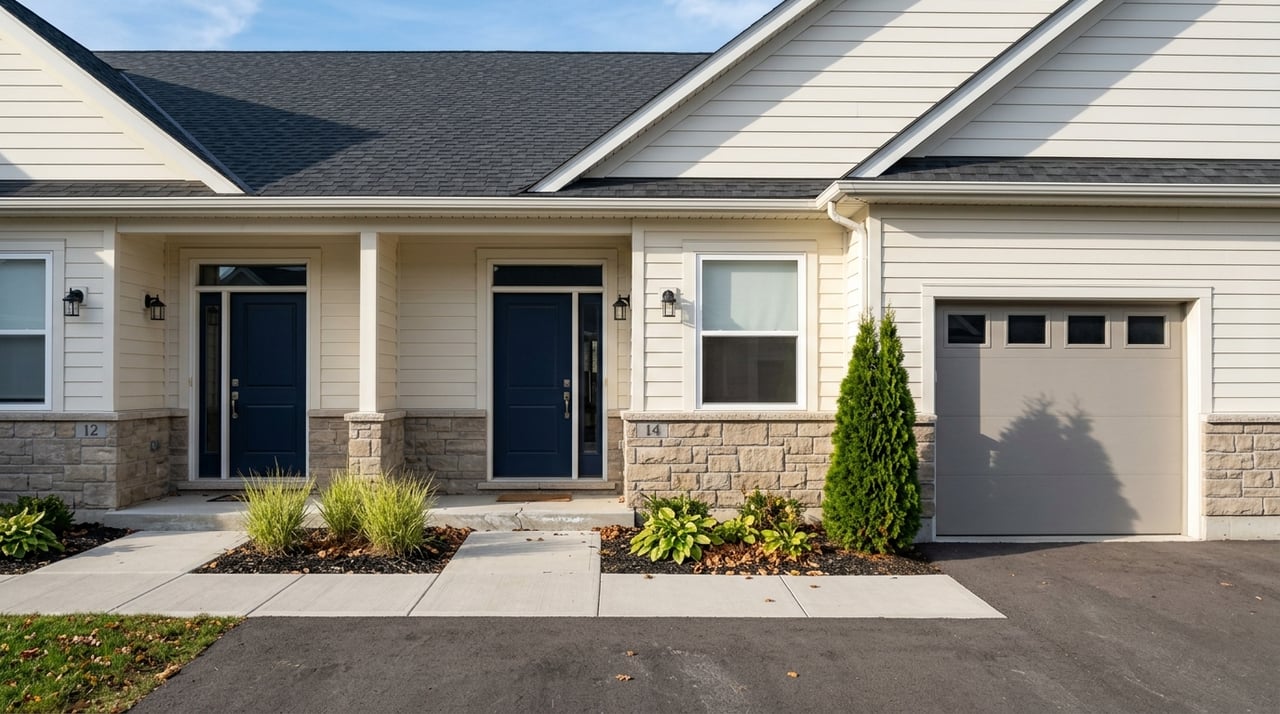
The city’s plan points future residential growth toward transit-oriented development, the major center area, and neo-traditional neighborhoods that are pedestrian- and transit-friendly. It also encourages small-lot home development, including townhomes.
That means newer Eden Prairie neighborhoods are more likely to emphasize features such as:
- Attached homes or townhomes
- Smaller lots
- Sidewalks
- Shorter blocks
- Mixed-use surroundings in some areas
- Layouts that support lower-maintenance living
These are planning-based patterns, not universal rules for every community. Still, they are helpful clues if you are trying to decide whether you want a more traditional detached-home setting or a more compact, lower-maintenance environment.
Maintenance is one of the biggest differences
For many buyers, the real comparison is not simply newer versus older. It is who handles the maintenance and how those costs show up in your monthly budget.
In newer attached-home communities, a homeowners association may manage common elements and some exterior upkeep. Under Minnesota’s Common Interest Ownership Act, a common interest community is administered by an association, and the annual budget must include operating expenses and replacement reserves. Unit owners pay common expense assessments, and the association is generally responsible for maintenance, repair, and replacement of common elements unless the declaration says otherwise.
By contrast, an established detached home often places more of the maintenance responsibility directly on you. That can mean more control, but it can also mean more exposure to repair and replacement costs.
Compare monthly cost, not just sale price
When you look at homes in Eden Prairie, price alone does not tell the full story. The city’s QuickFacts show a median monthly owner cost with a mortgage of $2,480, so any added dues or expected repairs can materially affect affordability.
If you are comparing a newer association-managed home with an older detached one, look at the full carrying cost. That includes:
- Mortgage payment
- HOA dues, if any
- Reserve strength in the association budget
- Expected repairs and replacement timelines
- The maintenance split between the association and the owner
A lower-maintenance lifestyle can be appealing, especially for downsizers or busy households. But the value depends on what the dues actually cover and whether the association appears financially prepared for future needs.
Resale depends on fit, not age alone
It is easy to assume that newer always resells better, or that established neighborhoods always hold stronger value. The available evidence in Eden Prairie points to a more balanced answer.
The city’s housing study found that for-sale single-family and condominium units were the most desired unit types. The city also projects 33,300 households by 2040, which suggests ongoing demand across more than one housing style.
That means resale strength is likely to depend less on age alone and more on how well a home fits the local buyer pool. Condition, layout usefulness, maintenance transparency, and overall lifestyle fit are often more important than whether a home is newer or older.
Questions to ask when touring both options
If you want to compare newer and established neighborhoods clearly, focus on the issues that affect your daily life and long-term costs.
Questions for established homes
- What major systems appear original, updated, or near replacement age?
- Has the home had consistent maintenance over time?
- Are there visible signs of deferred upkeep?
- Does the layout still match how you want to live today?
Questions for newer communities
- Is the home part of a common interest community?
- What do the dues cover?
- How strong is the annual budget and reserve funding?
- Which maintenance items belong to the association and which stay with you?
Questions for either option
- Does the home support your likely timeline in Eden Prairie?
- Will the monthly cost still feel comfortable after move-in?
- Does the property type match what future buyers in this market tend to want?
Which option may suit you best
If you want a more settled suburban environment and are comfortable planning for updates over time, an established Eden Prairie neighborhood may be a strong fit. These areas represent much of the city’s core housing stock and often reflect the classic suburban growth years that shaped Eden Prairie.
If you want lower-maintenance living, a smaller lot, or an attached-home format, a newer community may better match your goals. Because newer supply is comparatively limited in a built-out city, that type of home may especially appeal to buyers looking for convenience and a more compact lifestyle.
The right answer depends on how you weigh maintenance, budget, layout, and daily routine. A thoughtful side-by-side comparison can help you choose the home that works for you now and still makes sense later.
If you are comparing neighborhoods in Eden Prairie and want experienced, practical guidance, Renée Wilson can help you sort through the tradeoffs and make a confident plan.
FAQs
What is the main difference between newer and established neighborhoods in Eden Prairie?
- Established neighborhoods in Eden Prairie are usually tied to the city’s 1970s through 1990s growth era, while newer communities are more likely to reflect current planning priorities such as small-lot homes, townhomes, and pedestrian-friendly design.
Do newer Eden Prairie neighborhoods usually require less maintenance?
- Often they can, especially if they include association-managed exterior or common-area upkeep, but you should compare HOA dues, reserve funding, and the exact maintenance split before assuming the monthly cost will be lower.
Are established neighborhoods in Eden Prairie older than they sound?
- Not necessarily. Most of Eden Prairie’s housing stock was built from 1970 through 1999, so many established neighborhoods are part of the city’s main suburban growth period rather than a much older housing era.
What should buyers review in an Eden Prairie HOA community?
- You should review the declaration, annual budget, reserve funding, dues, and the specific responsibilities assigned to the association versus the homeowner.
Is resale better in a newer or established Eden Prairie neighborhood?
- Resale is not determined by age alone. In Eden Prairie, condition, layout, maintenance transparency, and how well the home fits buyer demand are likely to matter more than whether the home is newer or older.