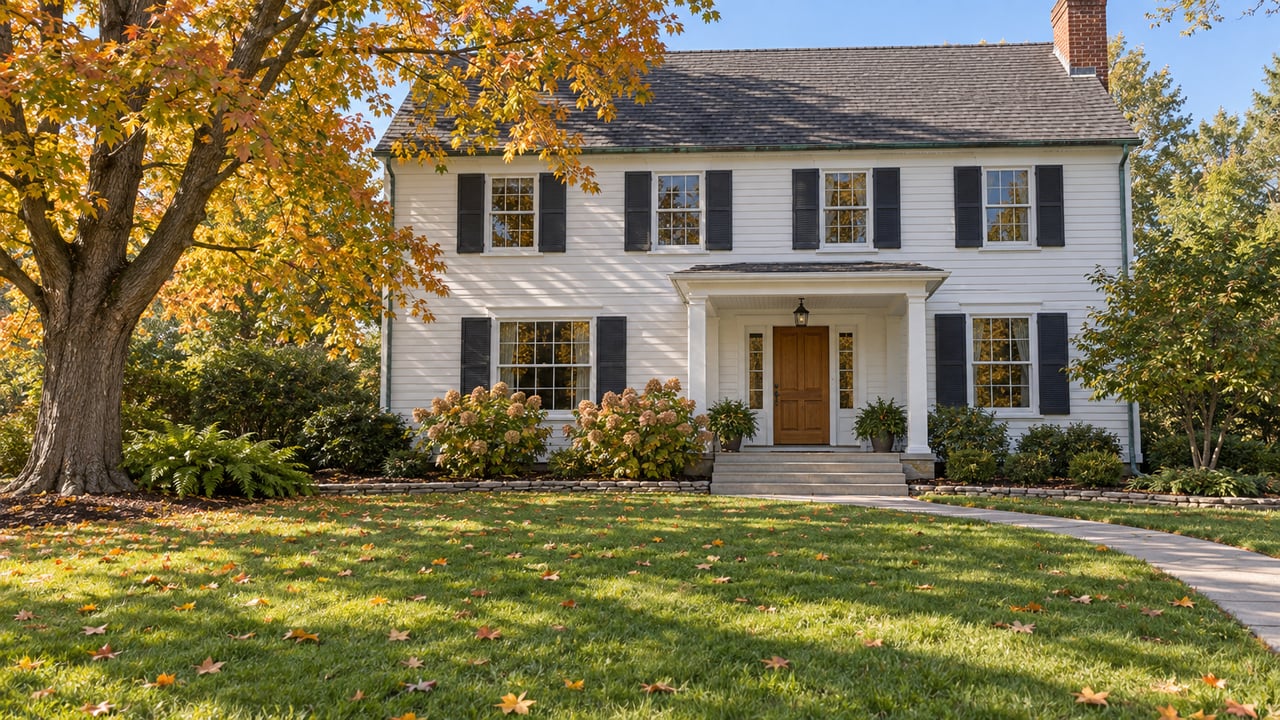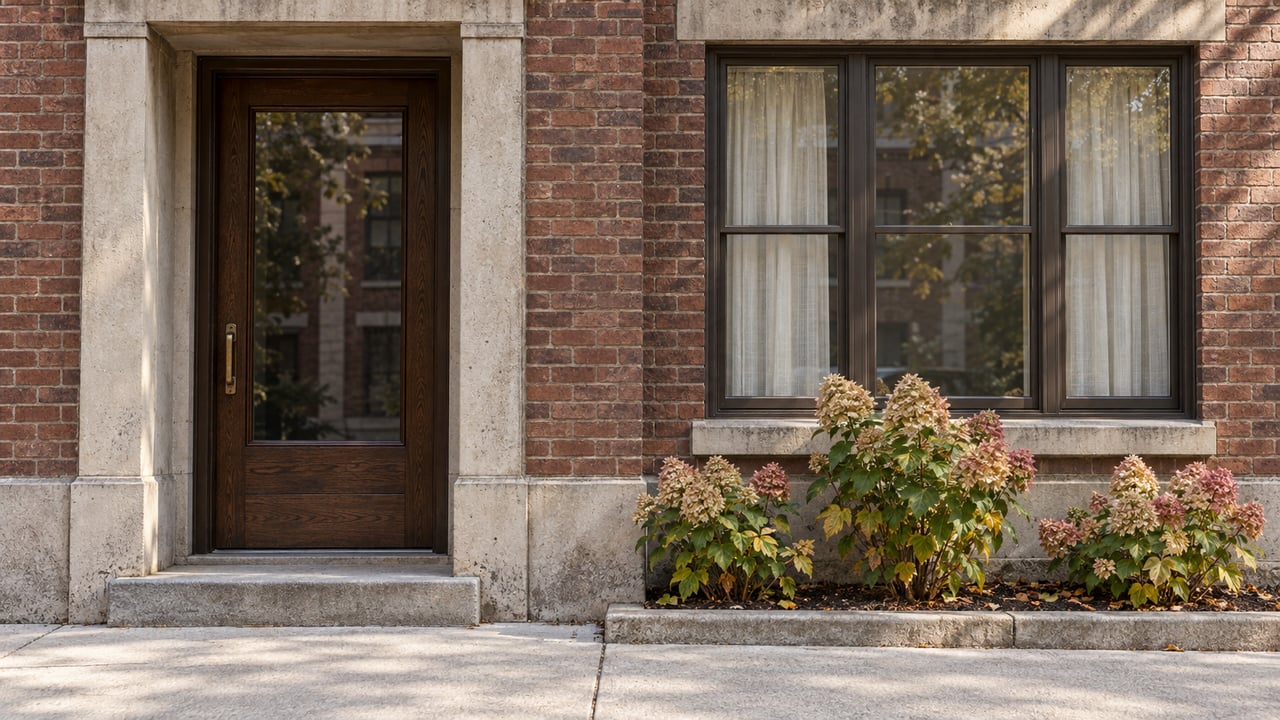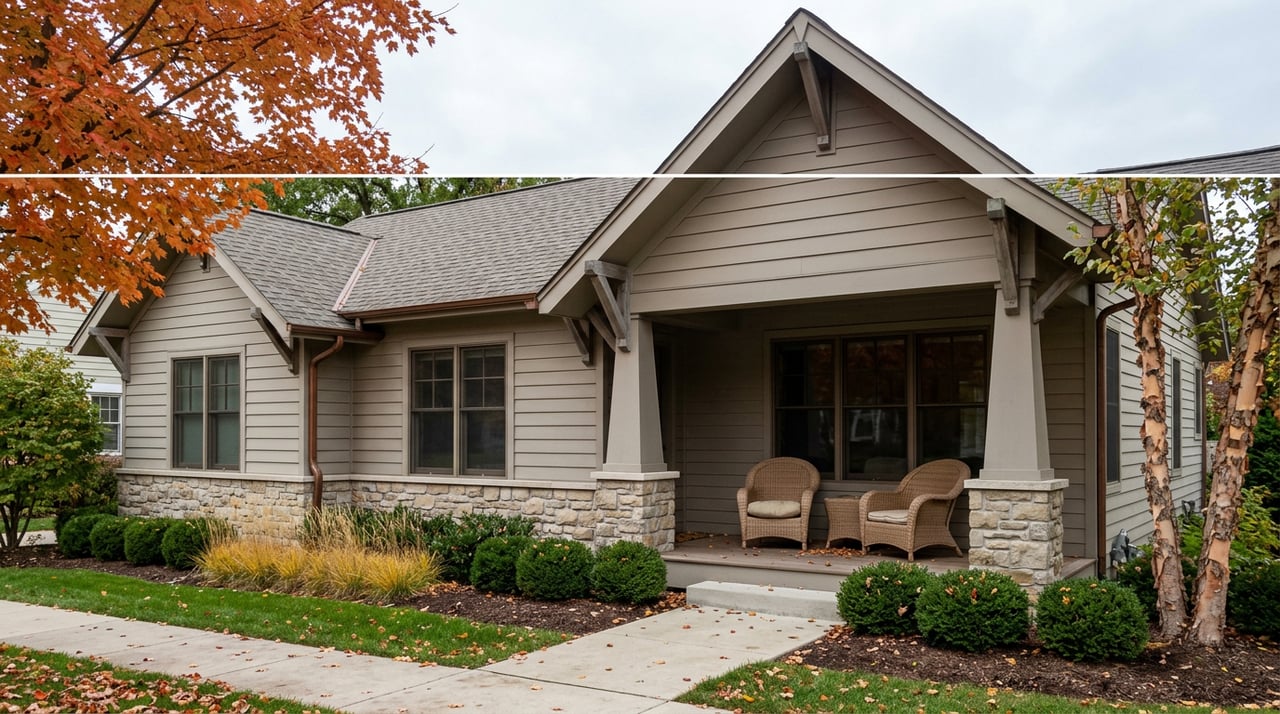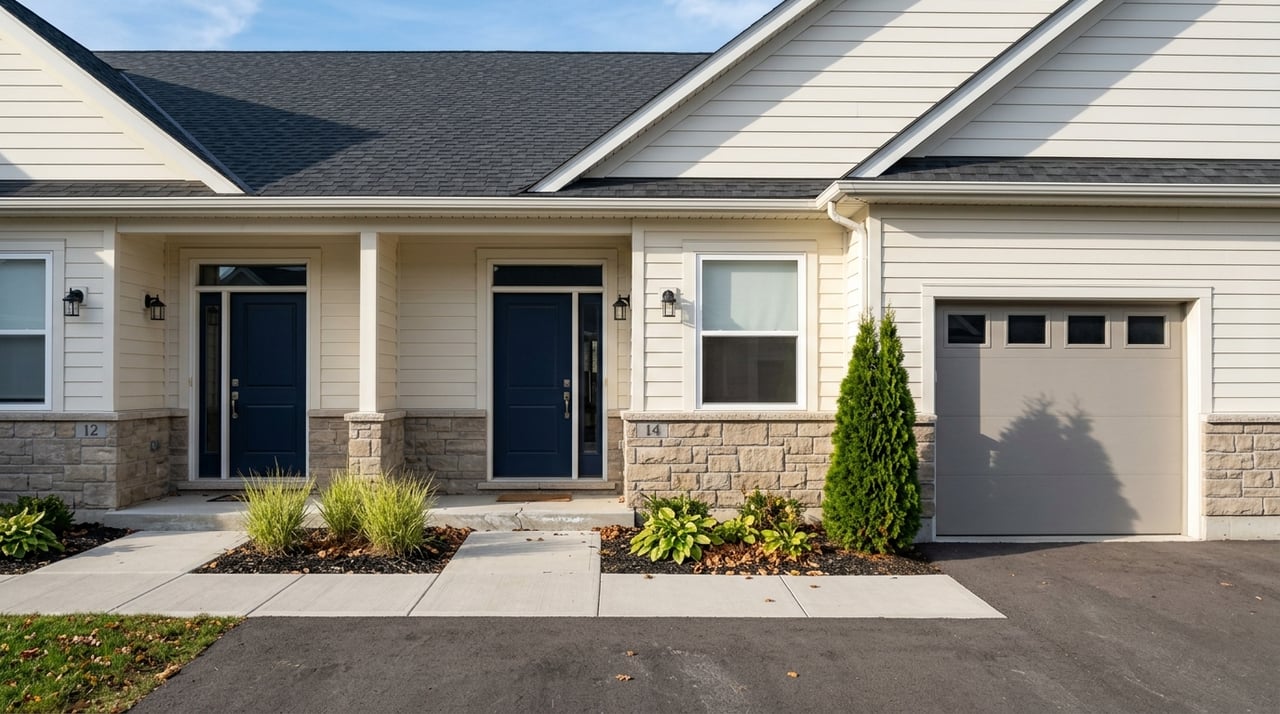
Wondering whether selling a townhome or condo in Eden Prairie is the same as listing a single-family home? Not quite. Attached-home sales often come with extra buyer questions, added association documents, and a presentation strategy that needs to make every space and feature count.
If you are thinking about selling, it helps to know what today’s buyers are paying attention to and what Minnesota requires before closing. From dues and disclosures to staging and timing, here is what you should know before your Eden Prairie listing goes live.
Eden Prairie has a strong attached-home market
Eden Prairie has a meaningful base of attached housing, which matters when you are pricing and positioning your property. The city’s housing data shows 20% single-family attached units and 24% multifamily units, and Hennepin County’s 2026 assessment report lists 4,897 townhome parcels and 1,186 condominium parcels in Eden Prairie.
That tells you two important things. First, buyers in Eden Prairie are used to seeing townhomes and condos as a normal part of the market. Second, your home will likely be compared against a solid pool of similar options, so pricing, presentation, and association details all need to be clear.
Eden Prairie is also a largely owner-occupied community, with a reported 76% homeownership rate, a median housing value of $543,700, and median household income of $127,732. The city also describes much of the housing stock as mature, with a large share built in the 1980s and 1990s.
That age range matters for sellers because buyers may pay close attention to updates, maintenance history, and future association projects. In an attached-home community, your unit is only part of the story.
Market timing still matters
Recent citywide market trackers suggest active turnover in Eden Prairie, though the exact numbers vary by source and method. Zillow reported homes pending in about 21 days as of late April 2026, while Redfin reported about 28 days on market over the three months ending April 2026.
Those are citywide numbers, not attached-home specific comps, but they still point to a market where buyers are moving and comparing homes quickly. If your townhome or condo is priced well and presented clearly, you may have a stronger chance of standing out early.
This is one reason many sellers benefit from preparing before they list. A smooth first week on the market often depends on having the right visuals, the right price strategy, and the right documents ready from the start.
Buyers look beyond your unit
When buyers shop for a condo or townhome, they are not only evaluating your kitchen, flooring, or paint colors. They are also evaluating the association and what ownership will feel like day to day.
The Minnesota Attorney General notes that common interest community living can reduce chores such as snow removal and yard maintenance, but it also comes with association fees, rules, and limits on use. Boards often regulate common areas and may have rules involving appearance, animals, smoking, and parking.
That means buyers often want answers to practical questions before they feel ready to move forward. They may ask what the monthly assessment covers, whether there have been special assessments, what insurance the association carries, and who handles exterior maintenance.
Common buyer questions to expect
Before you list, be ready for questions such as:
- What is the current monthly association assessment?
- What do the dues cover?
- Have any special assessments been approved or discussed?
- Are there rules on pets, smoking, parking, or exterior changes?
- Who maintains the roof, siding, decks, and common spaces?
- What insurance does the association carry, and what does the owner need separately?
The easier it is to answer these questions clearly, the easier it is for buyers to feel confident. In many attached-home sales, confidence comes from information as much as appearance.
Lifestyle is part of the listing story
Attached-home buyers are often balancing space with convenience. National survey data from 2025 found that many buyers were willing to accept a smaller home, smaller rooms, or a smaller or no garage in exchange for a better lifestyle fit.
The same survey showed strong interest in features such as access to nature, trails, parks, and walkability. For an Eden Prairie condo or townhome, that means your listing should not just describe the interior. It should also explain the practical lifestyle the home supports.
If your home offers low-maintenance living, easy exterior care, useful storage, or convenient access to local amenities and outdoor spaces, those are meaningful selling points. Buyers are often looking for simplicity and fit, not just square footage.
Smaller spaces need smart presentation
In condos and townhomes, presentation matters even more because buyers tend to notice flow, storage, and layout efficiency right away. If a space feels crowded or unclear, buyers may assume it lives smaller than it really does.
The 2025 Profile of Home Staging found that 83% of buyers’ agents said staging made it easier for buyers to visualize a property as a future home. It also found that seller agents most often recommended decluttering, cleaning, and improving curb appeal.
For attached homes, that advice is especially useful. Your goal is to show how each area functions and how comfortably someone can live there.
What to focus on before photos
A few updates in presentation can make a big difference:
- Remove extra furniture that blocks walkways or shrinks rooms visually
- Clear counters and open surfaces to make storage feel more generous
- Define each room’s purpose so buyers can read the layout easily
- Freshen lighting and window treatments to brighten the space
- Tidy entry areas, patios, balconies, or front approaches
- Organize closets, laundry areas, and garages or storage rooms
The same research also found that buyers place high importance on photos, videos, and virtual tours. When square footage is limited, strong visuals are not optional. They help buyers understand flow before they ever step inside.
Association documents can affect your timeline
One of the biggest differences in a townhome or condo sale is the document package. In Minnesota, resale disclosures for common interest communities are not a minor detail. They can directly affect timing and a buyer’s right to cancel.
For condos governed by Chapter 515A, the seller must provide the declaration, bylaws, rules, amendments, and a certificate dated within 90 days. That certificate must include information such as assessments, fees, capital expenditures, reserves, financial statements, the current budget, judgments or pending suits, and insurance coverage.
The association must furnish that certificate within seven days of request. If the buyer does not receive the information more than 15 days before the purchase agreement, the buyer generally has 15 days to cancel after receiving it.
For many common interest communities governed by Chapter 515B, which includes many townhomes, the resale disclosure package is similar. The association must furnish the certificate within ten days of request, and the buyer’s rescission window is generally 10 days.
Why sellers should gather documents early
Waiting until after you accept an offer can create avoidable delays. It can also push key deadlines later than expected.
Before listing, it is smart to gather:
- Governing documents
- Current rules and any amendments
- Current budget
- Latest financial statements
- Reserve or replacement-reserve information
- Insurance declarations
- Notices of upcoming projects or assessments
- Contact information and procedures for ordering resale certificates
The Minnesota Attorney General notes that associations maintain records owners may inspect, including financial, meeting, contract, and correspondence records. Starting early can help you answer buyer questions with less stress and fewer surprises.
Seller disclosures still apply
In addition to association documents, Minnesota’s general seller disclosure law requires written disclosure of material facts known to the seller that could adversely and significantly affect ordinary use of the property or the buyer’s intended use. If that disclosure becomes inaccurate before closing, it must be amended.
Minnesota also requires radon disclosure, and sellers must provide any radon test results they have. In an attached-home sale, these requirements sit alongside the association package, not in place of it.
This is another reason organization matters. A well-prepared file can help your listing move forward with fewer questions and a more predictable closing path.
Pricing should reflect the full picture
Because attached homes are often compared side by side, buyers tend to weigh value in a detailed way. They may compare monthly dues, condition, updates, parking, storage, community rules, and likely future costs, not just list price.
That is why pricing a condo or townhome in Eden Prairie usually works best when you look at both the home and the association context. A strong strategy accounts for comparable sales, current competition, the community’s features, and the information buyers will review once they dig deeper.
A thoughtful pricing approach can help you avoid two common problems: pricing too high and losing momentum, or pricing too low without fully reflecting the property’s strengths. In a market where buyers move quickly but ask careful questions, accuracy matters.
The goal is a confident, clean sale
Selling an Eden Prairie townhome or condo is often about reducing uncertainty for buyers. When your home shows well, the listing tells a clear lifestyle story, and the association information is ready, buyers can make decisions with more confidence.
That kind of preparation supports a smoother transaction from showings to closing. It also helps protect your leverage because buyers are less likely to hesitate when the facts are easy to understand.
If you are getting ready to sell and want practical guidance on pricing, preparation, and timing, Renée Wilson offers steady, experienced support tailored to the Eden Prairie market.
FAQs
What should sellers disclose when listing a condo or townhome in Eden Prairie?
- Minnesota sellers must disclose known material facts that could significantly affect ordinary use of the property or the buyer’s intended use, and they must update the disclosure if it becomes inaccurate before closing. Radon disclosure is also required, including any radon test results the seller has.
What documents are needed to sell a townhome or condo in Minnesota?
- Attached-home sales commonly require association documents such as governing documents, rules, budgets, financials, reserve information, insurance details, and a resale disclosure certificate. The exact package and buyer rescission period depend on whether the community is governed by Chapter 515A or 515B.
What do buyers care about most in an Eden Prairie condo or townhome sale?
- Buyers often focus on monthly dues, special assessments, rules on pets or parking, insurance coverage, exterior maintenance responsibilities, and the overall financial stability of the association, along with the condition and layout of the unit itself.
How should you prepare a smaller condo or townhome for listing photos?
- Focus on decluttering, cleaning, improving light, defining each room clearly, and organizing storage areas so buyers can understand how the home lives. Strong photos and virtual presentation are especially important when square footage is limited.
How long can association documents take in a Minnesota attached-home sale?
- For condos governed by Chapter 515A, the association must generally furnish the certificate within seven days of request. For many communities governed by Chapter 515B, the association generally has ten days to furnish the resale certificate.