Buying your first home in Minneapolis can feel exciting right up until you start looking at the numbers, the condition of homes, and the pace of the market. If you are trying to figure out what a true starter home looks like here, you are not alone. The good news is that realistic expectations can help you shop smarter, budget better, and move with more confidence. Let’s take a closer look at what first-time buyers can expect in Minneapolis.
Starter Homes in Minneapolis
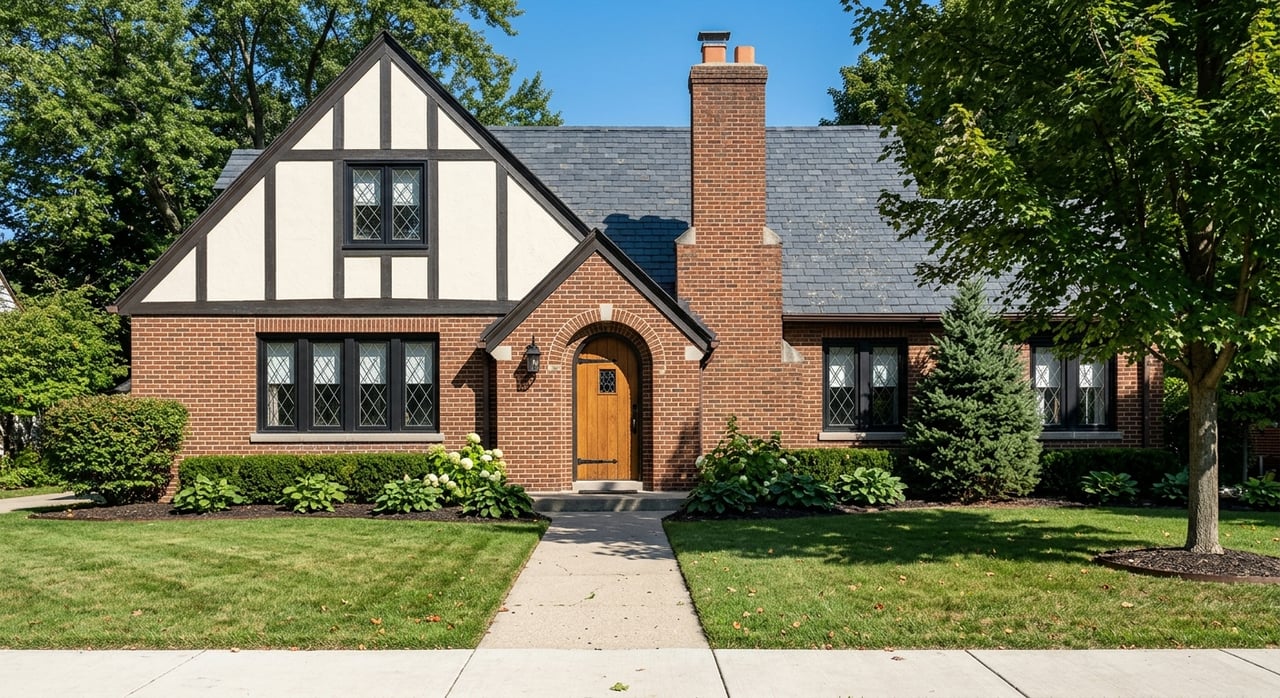
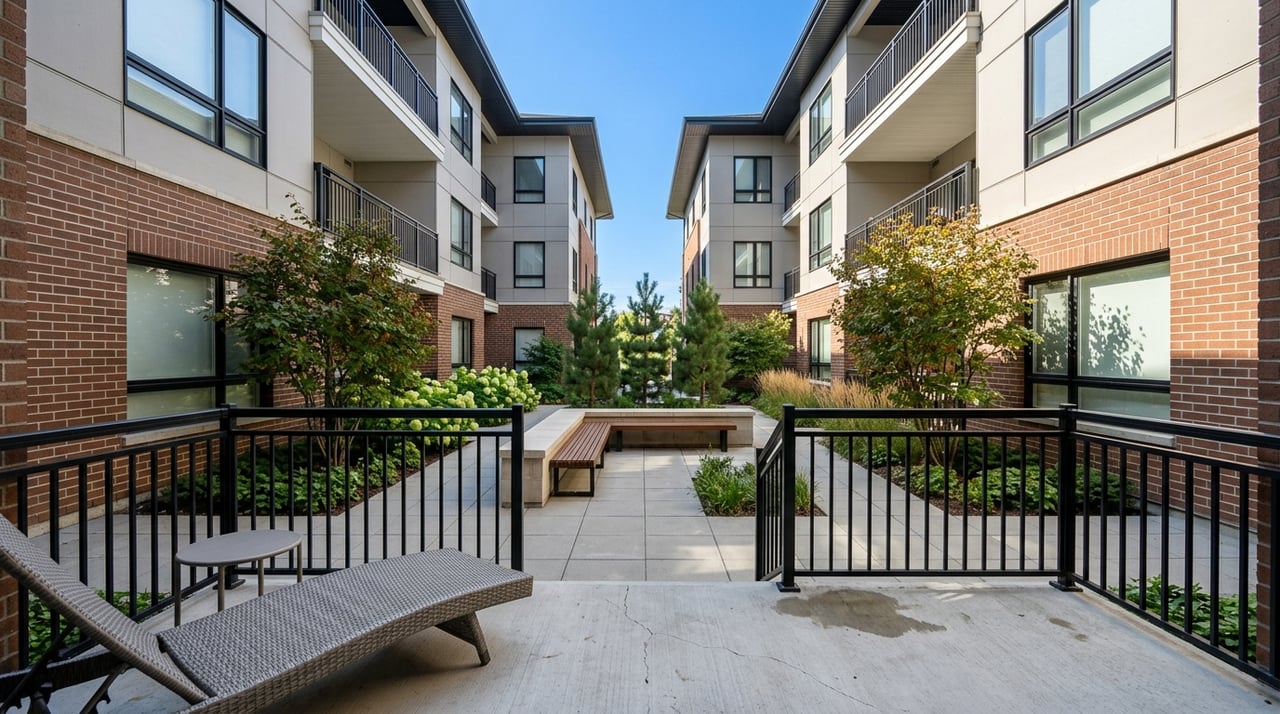
In Minneapolis, a starter home does not always mean a small detached house with everything updated. The city has a broad housing mix that includes detached homes, attached homes, smaller multi-unit properties, condos, and larger apartment-style buildings. For many first-time buyers, the most common entry-level options are condos, townhomes, duplexes or 2-to-4-unit properties, and smaller older single-family homes.
That variety can be helpful because it gives you more than one path into homeownership. If a single-family house feels out of reach at first, a condo or townhome may offer a more manageable starting point. The key is staying flexible about property type, size, condition, and features.
Minneapolis Is a Renter-Heavy Market
Minneapolis has an owner-occupied housing rate of 47.7%, which means renting is still common across the city. The Census also reports a median value of owner-occupied homes at $362,200. That gives you useful context for why many first-time buyers need to think carefully about trade-offs.
Monthly costs matter just as much as purchase price. Census data shows median selected monthly owner costs with a mortgage at $2,128, compared with median gross rent of $1,371. That gap is a reminder that owning usually comes with added costs beyond the mortgage itself.
What You May Get at the Entry Level
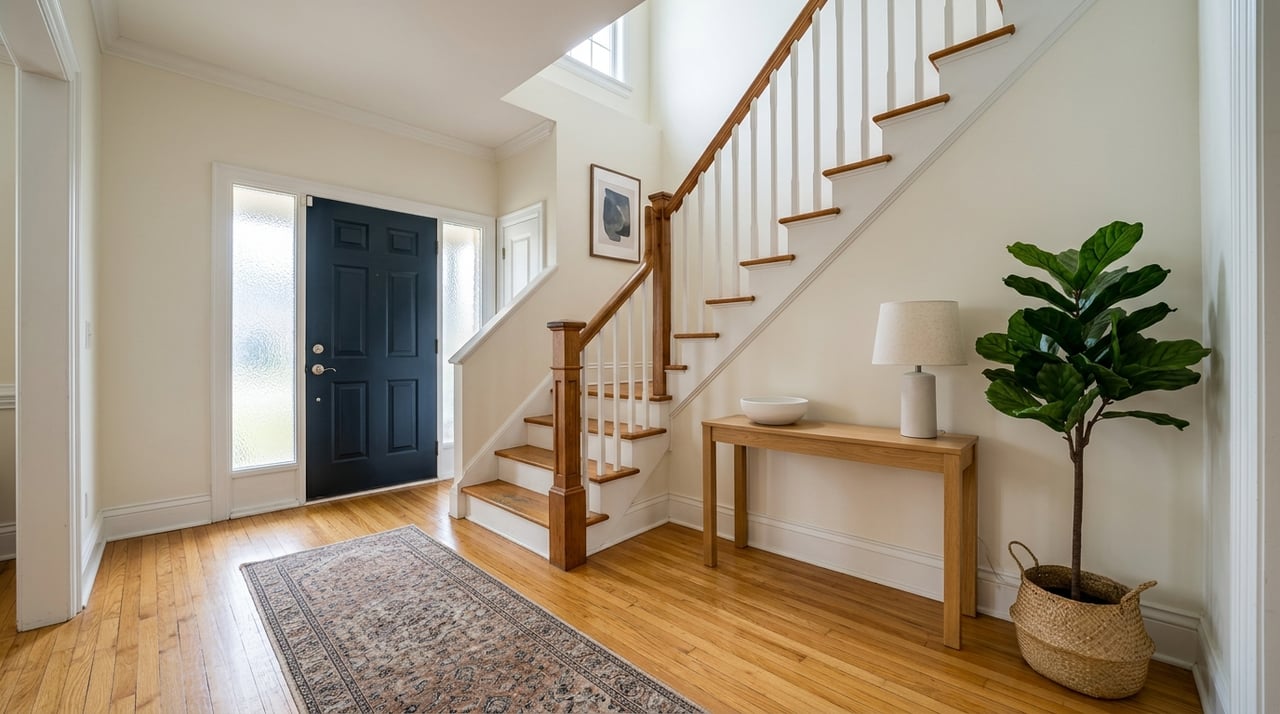
In Minneapolis, affordability often comes with compromises. A starter home may be smaller, older, or in need of updates. It may also be a condo or townhome instead of the detached house you first pictured.
That does not mean you cannot find a home that works well for your needs. It simply means your first purchase may be more about getting into the market with a practical plan than finding a perfect forever home. Many first-time buyers do well when they focus on solid potential and manageable monthly costs.
Older Housing Stock Is Common
One of the biggest things to understand about Minneapolis starter homes is age. City planning data shows that 68% of owner-occupied units were built before 1950, and 87% were built before 1980. In a market like this, older homes are not the exception.
That age can bring character, but it can also bring maintenance needs. The city’s consolidated plan notes an ongoing need for rehabilitation of the housing stock and also highlights lead-based paint hazard risk in older homes. For you, that means inspections and repair planning should be part of the conversation from the start.
Budget for Repairs and Updates
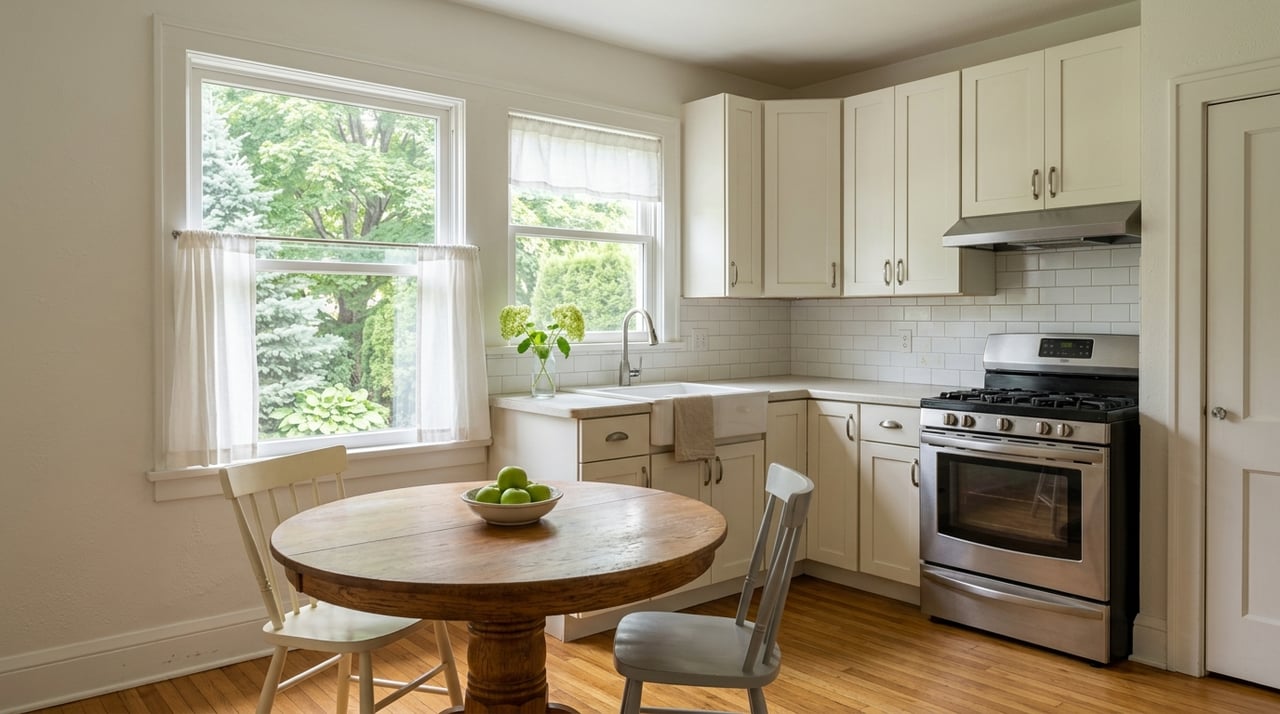
If you are shopping for a starter home in Minneapolis, it is wise to assume that some properties may need cosmetic work, deferred maintenance, or updates to major systems. Move-in-ready homes do exist, but they should not be your default expectation at the entry level. A realistic budget can help you avoid feeling stretched after closing.
As you prepare, think beyond the down payment. You may also need funds for:
- Closing costs
- Property taxes
- Homeowners insurance
- Routine maintenance
- Repairs or updates soon after move-in
- HOA dues, if you buy a condo or townhome
A careful budget can make a big difference in how comfortable homeownership feels during your first year.
Competition Is Still Real
Even with shifting market conditions, Minneapolis remains competitive. As of May 2026, Redfin reported that homes received an average of three offers, sold in about 21 days, and had a median sale price of $365,000 over the prior three months. That tells you good listings can still move quickly.
Metro-wide data also points to a market where preparation matters. Minneapolis Area REALTORS reported 2.1 months of supply in February 2026, along with a median sales price of $380,000 and sellers receiving 97.4% of original list price. In plain terms, you may not need to rush into the wrong home, but you do need to be ready when the right one appears.
Why Preparation Matters
Minnesota REALTORS reported in May 2026 that inventory was growing and demand was softer, but homes priced right and in good condition were still selling fairly quickly. That is an important distinction for first-time buyers. Not every listing will be a bidding war, but the best-fit homes may still attract strong attention.
This is where early preparation gives you an advantage. If you already understand your price range, monthly comfort zone, and must-haves, you can make decisions faster and with less stress. That kind of clarity matters in a market that can shift from slow to competitive depending on the listing.
Help Programs May Be Available
First-time buyers in Minneapolis may have access to local or state assistance programs, but these programs come with rules. Minnesota Housing offers homebuyer programs and notes that approved homebuyer education is required before closing for some first-time-buyer options. The agency also connects borrowers with a lender network and homeownership advisor services.
The City of Minneapolis offers a down payment assistance program for primary residences in the city. According to program guidelines, buyers must complete homebuyer education and financial wellness before signing a purchase agreement, meet income requirements, contribute at least $500 of their own funds, and purchase an eligible 1-to-4-unit detached home, townhome, or condo within city limits. The city program does not have a sale price cap.
Verify Funding Early
Assistance programs can change, and availability is not guaranteed. Hennepin County’s countywide homebuyer assistance page states that the program is currently out of funds until summer 2026. That is a good example of why it helps to verify eligibility and funding early in your planning process.
If you wait until you are already under contract, you may have fewer options. Starting early gives you more time to complete education requirements, gather documents, and coordinate with the right professionals.
A Smart First-Time Buyer Strategy
Buying a starter home in Minneapolis is often about balancing ambition with practicality. You may need to widen your search to include condos, townhomes, older homes, or properties that need some work. That flexibility can open more realistic opportunities.
It also helps to focus on a few basics:
- Get clear on your full monthly budget, not just your target price
- Plan for inspections and possible repairs
- Ask early about assistance programs and education requirements
- Be ready to act when a well-priced home fits your needs
- Stay open to different property types within Minneapolis
A first home does not need to check every box to be a strong step forward. It needs to fit your finances, your timeline, and your comfort level with upkeep.
Realistic Expectations Lead to Better Decisions
The Minneapolis starter-home market can be rewarding, but it usually favors buyers who come in informed. Older housing stock, higher monthly ownership costs, and steady competition mean your first purchase may involve trade-offs. When you understand that upfront, you are more likely to make calm, confident decisions.
With experienced guidance, you can sort through the options, avoid surprises, and focus on homes that make sense for where you are now. If you are thinking about buying your first home in Minneapolis, Renée Wilson can help you understand the market, weigh your options, and move forward with steady, personalized guidance.
FAQs
What counts as a starter home in Minneapolis?
- In Minneapolis, a starter home often means a condo, townhome, duplex or 2-to-4-unit property, or a smaller older single-family home.
Do first-time buyers in Minneapolis need to budget for repairs?
- Yes. Because much of Minneapolis housing was built before 1980, it is realistic to expect some starter homes to need updates, maintenance, or system work.
Is the Minneapolis housing market still competitive for first-time buyers?
- Yes. Recent local data shows homes still sell fairly quickly, and well-priced homes in good condition can attract multiple offers.
Are there down payment assistance programs for Minneapolis first-time buyers?
- Yes. Minnesota Housing and the City of Minneapolis offer programs, but eligibility rules, education requirements, and funding availability can vary.
Can Minneapolis buyers use Hennepin County homebuyer assistance right now?
- Hennepin County reports that its countywide homebuyer assistance program is out of funds until summer 2026, so you should verify current availability early.