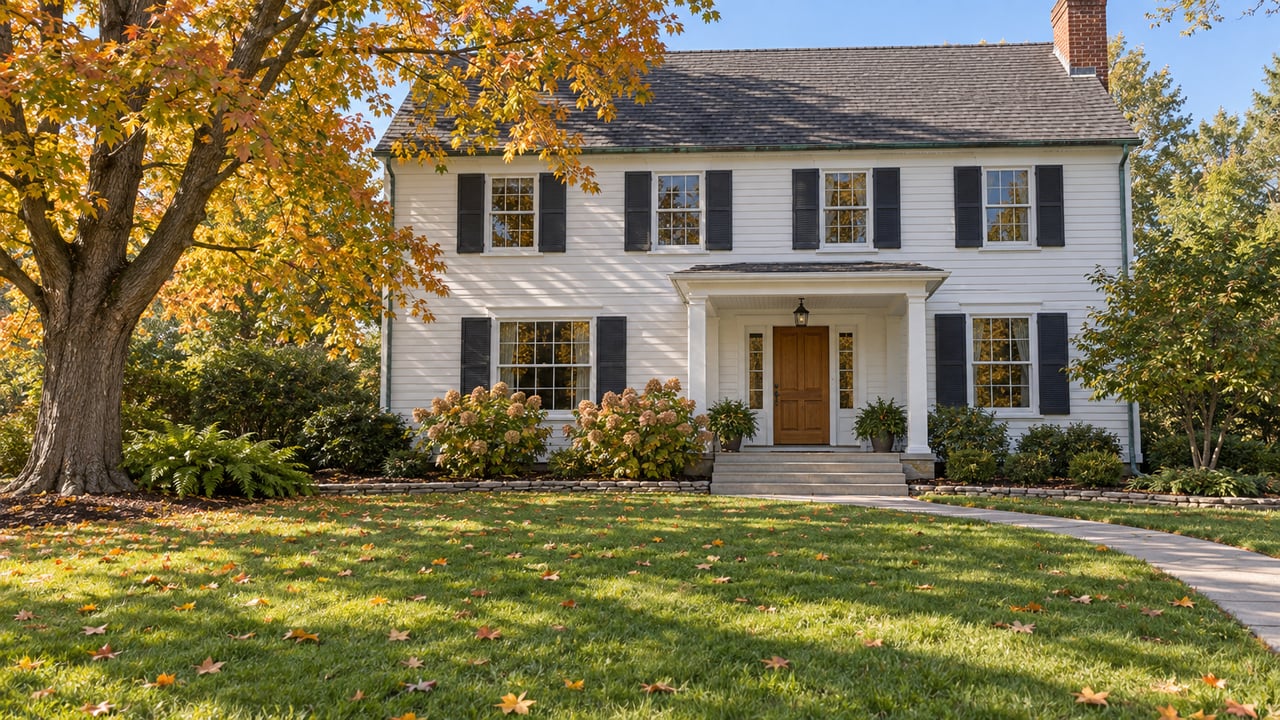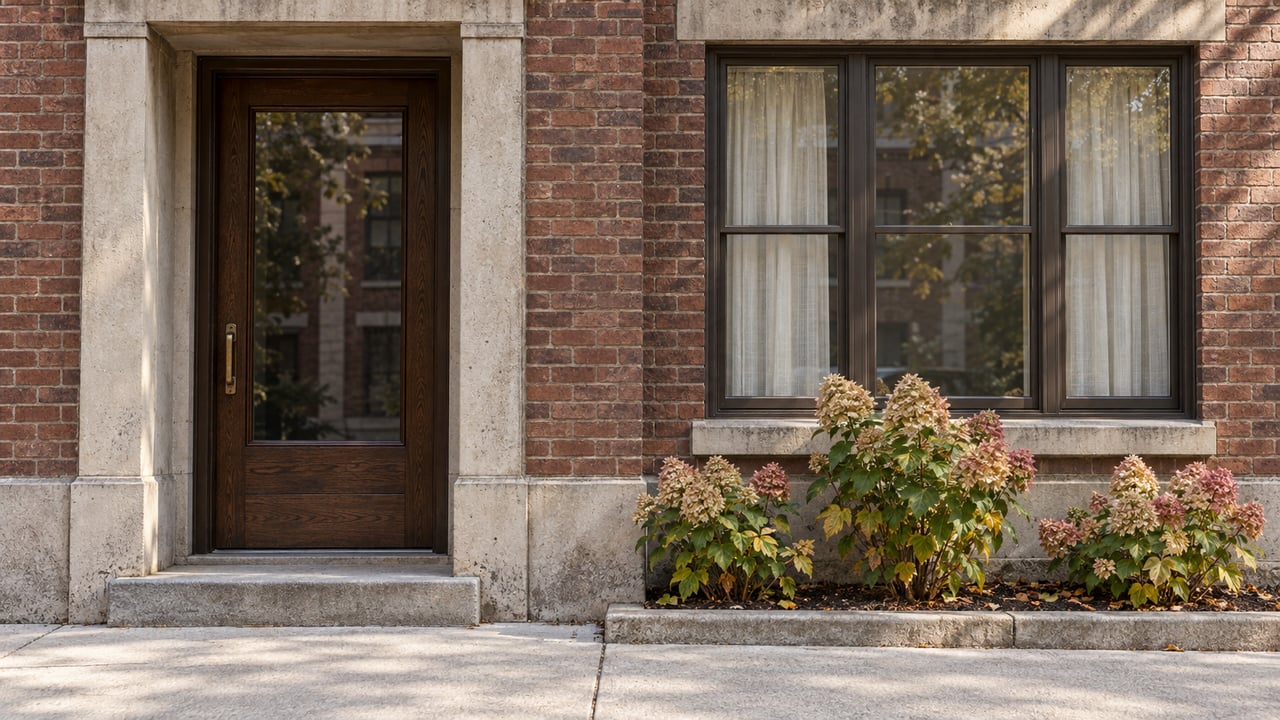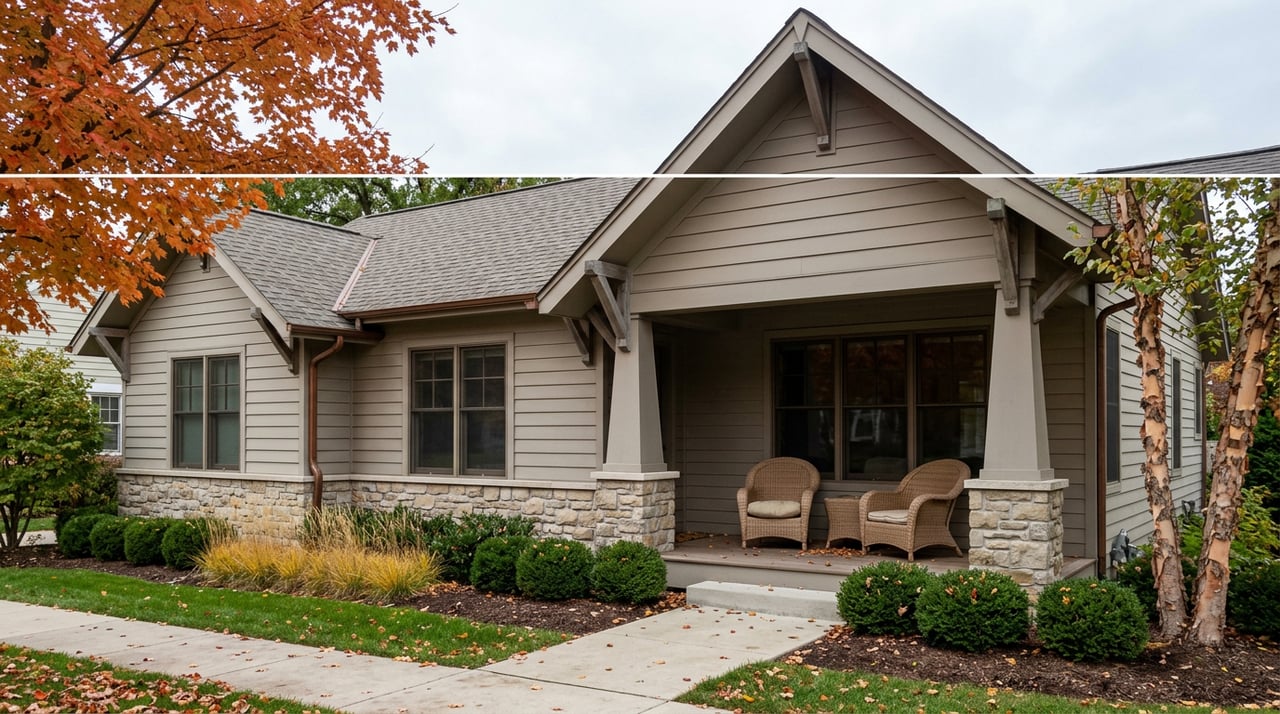
If you are drawn to city living but do not want to give up green space, character, or a sense of place, St. Paul’s river bluffs and downtown deserve a close look. This part of the city is layered in a way that feels distinct from many urban cores, with riverfront parks below, historic streets above, and several neighborhoods that each offer a different daily rhythm. If you are comparing where to live in St. Paul, understanding those differences can help you find the right fit. Let’s dive in.
Why this part of St. Paul stands out
St. Paul is deeply tied to the Mississippi River. The city describes itself as the head of navigation on the river and notes that it has more city shoreline on the Mississippi than any other city. That river setting is not just a backdrop. It shapes how downtown feels, how parks connect, and how neighborhoods relate to each other.
The area also has a vertical feel that surprises many first-time visitors. City planning materials highlight the connection between downtown, the bluffline, and the river, with places like the West Side Flats sitting below the bluffline and the riverfront esplanade. In practical terms, that means you can experience waterfront paths and open lawns at one level, then move up to older streets, civic buildings, and residential areas above.
Downtown living: active and connected
If you want an urban lifestyle with easy access to culture, events, and transit, downtown St. Paul offers a lot in a compact area. The city identifies downtown and the surrounding riverfront as a hub for major destinations such as the Ordway, Palace Theatre, Fitzgerald Theatre, Park Square Theatre, History Theatre, Minnesota Children’s Museum, Science Museum of Minnesota, Minnesota History Center, Minnesota Museum of American Art, and the Saint Paul Farmers’ Market.
That concentration of destinations can shape your everyday routine. Instead of planning a special trip for entertainment or a museum visit, many activities are woven into the neighborhood itself. For some buyers, that is a major advantage, especially if you enjoy a walkable environment and a calendar that feels full year-round.
Transit is another part of the downtown appeal. Metro Transit says the METRO Green Line connects downtown Minneapolis, the University of Minnesota, and downtown Saint Paul with frequent all-day service. Union Depot also functions as a multimodal transportation hub in Lowertown, which supports a more connected, car-light lifestyle for many residents.
Lowertown: lofts, arts, and ballpark energy
Lowertown has one of the clearest identities in this part of the city. Visit Saint Paul describes it as a former manufacturing district that has evolved into an artists’ quarter with lofts, galleries, restaurants, breweries, CHS Field, and recurring art-crawl energy. If you like converted warehouse spaces and a neighborhood with visible historic texture, Lowertown often stands out.
That industrial past still shows up in the architecture. City materials for CHS Field note design elements like blackened steel, timber, and masonry, which reflect Lowertown’s historic warehouse character. Even newer or updated spaces in the area tend to feel connected to that industrial design language.
For daily life, Lowertown combines entertainment with practical amenities. The Saint Paul Farmers’ Market and Lowertown Farmers Market, seasonal programming, live music, art installations, food trucks, and festivals all contribute to a neighborhood that stays active beyond the workday. If you want energy and movement around you, Lowertown may feel like a natural fit.
Cathedral Hill and Irvine Park: historic and residential
Not every bluff-top area feels busy in the same way as downtown or Lowertown. Cathedral Hill offers a very different setting, with a strong historic identity shaped by the Cathedral of Saint Paul, older facades, coffee shops, bakeries, and restaurants. Visit Saint Paul also ties the area to F. Scott Fitzgerald’s childhood home and the overlook above downtown, which adds to its sense of place.
For many buyers, Cathedral Hill appeals because it blends access with atmosphere. You are still close to the core, but the experience can feel more residential and more rooted in historic streetscapes. If you value charm, older architecture, and a neighborhood that feels established, this area may be especially appealing.
Irvine Park offers another historic option near downtown. The city describes it as a quiet, shady, residential historic district with a gazebo and fountain. That quieter setting can be attractive if you want downtown access nearby but prefer a more tucked-away environment at home.
West 7th and the West Side: neighborhood feel and river access
West 7th and the West Side add still another version of St. Paul living. Visit Saint Paul describes West 7th as the state’s oldest commercial corridor and the city’s entertainment district, with a mix of long-running dining spots and breweries. The result is a neighborhood-commercial feel that can be more relaxed than the downtown core while still offering plenty to do.
The West Side is closely tied to both the river and local culture. The city and Visit Saint Paul identify District del Sol as the heart of Saint Paul’s Latine business and cultural community. The area also offers direct access to Harriet Island and other riverfront spaces, which can be a strong draw if outdoor access matters to you.
For some buyers, these areas strike a useful middle ground. You may get neighborhood character, dining options, and river proximity without feeling as event-driven as downtown or Lowertown. That balance is often worth exploring in person.
River parks are part of daily life
In many cities, waterfront access is occasional. In this part of St. Paul, it can feel built into your routine. The Great River Passage plan describes more than 3,500 acres of parkland along the river, helping explain why public green space is such a visible part of the urban fabric.
Harriet Island Regional Park is one of the most recognizable riverfront amenities. It offers riverwalk access, a public dock, open lawns, picnic areas, a play area, and event space with views of the downtown skyline. Whether you want a morning walk, a place to gather outdoors, or a simple view of the river, it adds meaningful everyday value.
Upper Landing Park adds another riverfront option near the Science Museum. Together with downtown park programming and seasonal events, these spaces help create a lifestyle where outdoor time does not require leaving the city behind. That is a major part of the appeal for many relocators.
How to think about your best fit
The biggest takeaway is that this is not one single lifestyle area. It is several overlapping river-oriented subareas with different building types, energy levels, and amenity mixes. Your ideal match depends less on a broad label like “downtown” and more on how you want your day-to-day life to feel.
A few common decision points tend to matter most:
- Historic character or newer feel
- Transit convenience or easier parking
- Quiet residential blocks or active entertainment zones
- Immediate park and trail access or a denser urban setting
- Loft-style living or more traditional neighborhood surroundings
If you picture yourself walking to restaurants, events, transit, and markets, downtown or Lowertown may rise to the top. If you want a more residential atmosphere with historic architecture, Cathedral Hill or Irvine Park may feel more comfortable. If you want neighborhood dining, local business districts, and strong river access, West 7th or the West Side may be worth a closer look.
What relocators should notice
If you are relocating to St. Paul, this area can be especially appealing because it offers several distinct ways to live close to the city center. You are not limited to one version of urban living. Instead, you can choose between a more compact and active setting, a historic bluff-top neighborhood, or a river-oriented district with a stronger neighborhood-commercial feel.
That variety is useful when you are comparing lifestyle tradeoffs. Some buyers want to be close to theaters, markets, and transit. Others want historic surroundings and a quieter block while still staying near downtown. In this part of St. Paul, those options can exist within a relatively connected area.
A thoughtful home search here usually starts with lifestyle priorities first. Once you are clear on the kind of setting that suits you best, it becomes much easier to narrow your focus and identify the blocks and housing types that make sense.
If you are considering a move in St. Paul and want practical guidance on how these neighborhoods compare, Renée Wilson can help you sort through your options with the kind of steady, local perspective that makes a move feel more manageable.
FAQs
What is it like living near downtown St. Paul and the river bluffs?
- Living near downtown St. Paul and the river bluffs can mean easy access to cultural venues, riverfront parks, historic areas, and transit, with lifestyle options that range from active urban blocks to quieter residential streets.
What makes Lowertown in St. Paul different from other downtown areas?
- Lowertown stands out for its warehouse-to-loft character, arts presence, restaurants, breweries, CHS Field, and regular market and event activity.
What are the main differences between Cathedral Hill and Lowertown in St. Paul?
- Cathedral Hill generally feels more historic and residential, while Lowertown tends to feel more industrial, arts-oriented, and event-driven.
Are there parks and outdoor spaces near downtown St. Paul?
- Yes, riverfront amenities such as Harriet Island Regional Park and Upper Landing Park, along with broader Great River Passage parkland, make outdoor access a major feature of the area.
Is downtown St. Paul connected by public transit?
- Yes, the METRO Green Line connects downtown Saint Paul with downtown Minneapolis and the University of Minnesota, and Union Depot serves as a major transportation hub in Lowertown.