Trying to choose between a brand-new build and a well-kept resale in Woodbury? You’re not alone. The right answer depends on your budget, your timing, and how much customization you want versus how much certainty you need. In this guide, you’ll learn the practical tradeoffs, what to check locally, and a simple checklist to help you feel confident about your next move. Let’s dive in.
What to check in Woodbury right now
Before you decide, look at a few local indicators that shape value and timing:
- Prices and inventory. Compare median price, price per square foot, days on market, and current inventory for Woodbury. Tight supply and rising prices often make new construction more competitive; softer conditions can make resale more negotiable.
- New-home activity. Note active subdivisions, phase releases, and lot availability. Limited lots and strong demand can push premiums higher and extend timelines.
- Commute and amenities. Proximity to I-94, shopping, parks, and medical services drives demand. These factors support both new and resale values.
- Property taxes and assessments. Understand how Washington County assesses new construction and whether any special assessments apply in a given neighborhood.
These inputs help you estimate whether you’ll pay a premium for a new build, how long you might wait, and how each option could perform over time.
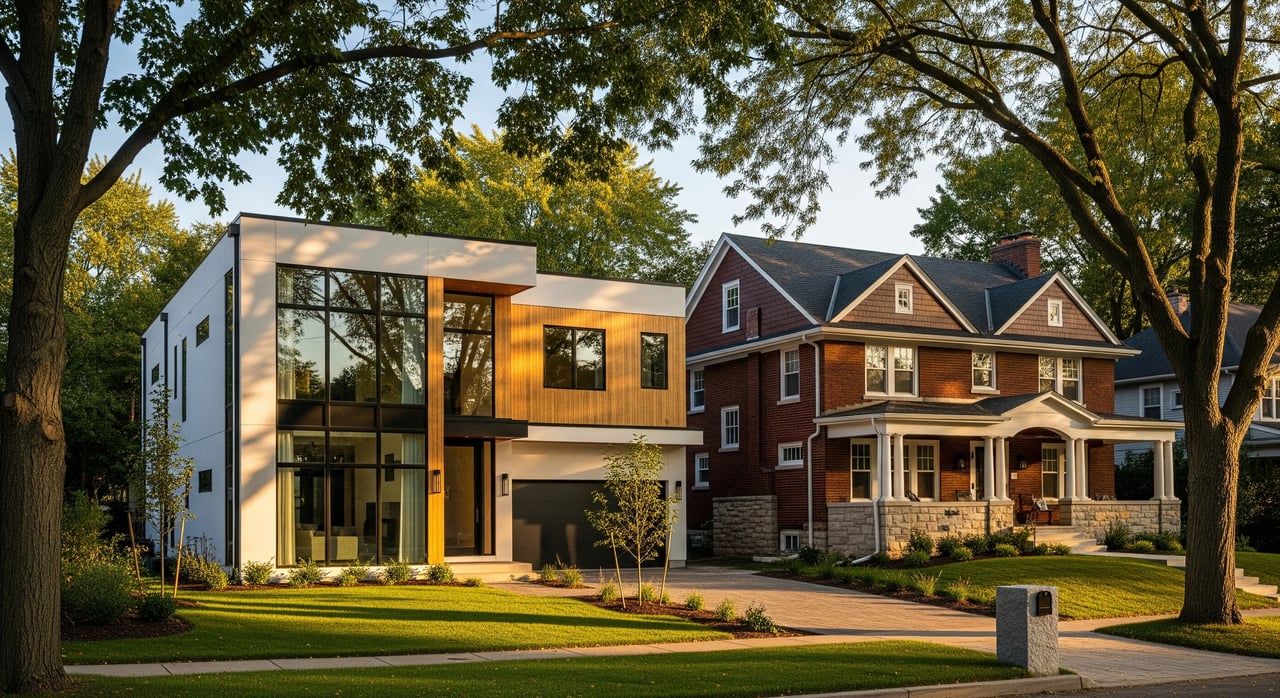
New construction vs resale at a glance
New construction strengths
- Customization. Choose your plan, finishes, and layout. You get exactly what you want, but upgrades add up quickly.
- Lower immediate maintenance. New systems, modern codes, and improved energy efficiency can hold down early repairs and utility costs.
- Warranties. Builders often provide limited warranties on structure, systems, and workmanship. Scope and duration vary by builder.
New construction tradeoffs
- Price premium. Lot premiums and options often push the final price above a comparable resale on a per-square-foot basis.
- Timeline risk. Weather, supply chain issues, and builder schedules can delay completion for months. Contracts often shift timeline risk to you.
- Financing complexity. You may face construction-to-permanent loans or appraisal gaps if comparable sales are limited.
Resale strengths
- Lower price per square foot. Established neighborhoods can offer more space for the price.
- Faster, predictable closings. Many resale deals close in 30 to 45 days, which helps if you have a specific move date.
- Neighborhood maturity. Landscaping, community character, and nearby amenities are known, and comparable sales are plentiful.
Resale tradeoffs
- Potential near-term repairs. Aging roofs, HVAC, windows, or sewer lines can add costs soon after closing.
- Limited customization. Renovations require additional time and budget.
- Fewer formal warranties. Inspections and negotiations are your main protections unless the seller offers a home warranty.
Budget beyond the purchase price
The sticker price rarely tells the full story, especially with new construction. Build a realistic budget that includes:
- Base price vs upgrades. Request a detailed list of what’s included and typical upgrade ranges for cabinets, flooring, appliances, and structural changes.
- Lot premiums and soft costs. Account for utility connection fees, impact fees, landscaping to finish the yard, window coverings, and garage openers.
- HOA dues and fees. Understand dues, what they cover, and whether private roads or stormwater systems add ongoing costs.
- Immediate maintenance for resale. Set aside funds for items flagged by your inspection, plus near-term replacements for older systems.
A clear, side-by-side cost picture helps you compare a finished new build to a refreshed resale on equal footing.
Financing and timing differences
Your financing approach can make one path more practical than the other.
- Construction-to-permanent loans. If you’re building on contract, expect different underwriting, draw schedules, and possibly interest-only payments during construction.
- Builder incentives. Preferred lender credits or rate buydowns can be attractive. Compare the net cost after rates, points, and closing credits to ensure it truly saves you money.
- Appraisal gaps. In new communities with limited comparables, appraisals sometimes come in low. Plan for potential gap funding or negotiate options with the builder.
- Buying before you sell. Consider contingencies, bridge loans, or a rent-back arrangement if timing your sale to your purchase.
- Resale timeline. Traditional loans for resale are straightforward and align with a 30 to 45 day closing, which supports a defined move date.
Think about your risk tolerance for delays and your comfort with financing complexity as you weigh each option.
Inspections, warranties, and permits in Minnesota
Protect your investment with the right checks at the right time.
- Resale inspections. A standard home inspection, radon test, and sewer scope are common in Minnesota. Add pest inspections if conditions suggest it.
- New construction inspections. Ask the builder to allow third-party inspections at key stages such as foundation, pre-drywall, and final walkthrough.
- Warranty documentation. Obtain and review the builder’s written warranty. Confirm coverage for structure, systems, and workmanship, the claim process, and response timelines.
- Permits and occupancy. For new builds, verify that required permits were pulled and closed, and that a certificate of occupancy was issued. For resale, confirm permits for major renovations and code compliance.
Clarity on inspections and warranties will help you set expectations and reduce surprises after closing.
Property taxes, HOA, and assessments in Woodbury
Taxes and assessments can differ between new and resale homes.
- New home assessments. New construction is typically assessed after completion, so initial tax estimates can lag. Confirm timing and estimated valuation.
- Special assessments. Check whether a subdivision has planned assessments for roads, sewer, or stormwater. These can affect monthly or annual housing costs.
- HOA rules and reserves. Review covenants, rules, dues, and reserve studies. Understand design guidelines, exterior maintenance obligations, and whether future assessments are expected.
Build these line items into your monthly budget and consider their impact on long-term affordability and resale.
Lot, location, and neighborhood fit
Where the home sits is just as important as the home itself.
- New-build lots. Expect fewer mature trees and the possibility of nearby ongoing construction until the community is complete. Premium lots cost more.
- Established neighborhoods. Mature landscaping, privacy, and completed amenities are already in place. Street patterns and traffic are known.
- Appraisal and resale. Established areas offer abundant comparables. In newer phases, values may rise as the community finishes, but early sales can face appraisal challenges.
Walk the area at different times of day and consider commute routes, noise, and future development plans.
Decision checklist you can use
Score each item from 0 to 5 to clarify your best-fit path:
- Timeline flexibility. Can you handle a variable move-in date or do you need a firm close in 30 to 45 days?
- Need for customization. Do you want to choose floor plans and finishes or are you comfortable updating a resale over time?
- Budget discipline. Are you prepared for upgrade creep on a new build, or immediate repairs on a resale?
- Tolerance for construction risk. How comfortable are you with delays and change orders?
- Maintenance priority. Is low immediate maintenance a top goal?
- Neighborhood maturity. Do you prefer established amenities and landscaping, or the promise of a developing community?
- Financing complexity. Are you willing to navigate construction or bridge loans if needed?
- Holding period. Are you planning to stay long enough to ride out market cycles and build equity?
Higher scores on customization, low maintenance, and timeline flexibility point toward new construction. Higher scores on quick move, cost sensitivity, and neighborhood maturity point toward resale.
How to choose with confidence
If you need a firm move date, want a larger home for the price, and appreciate mature neighborhoods, resale often wins. If you value tailored design, lower near-term maintenance, and energy efficiency, a new build may be worth the premium and the wait. Many buyers also consider move-in-ready resales and lightly used homes in recent phases as a balanced middle ground.
A trusted advisor can help you compare a true apples-to-apples cost, negotiate builder terms, verify permits and assessments, and align your sale and purchase timelines. With more than three decades of local experience, Renée guides you through each step so you can act with clarity and calm.
Ready to explore the right path for your move in Woodbury? Connect with Renée Wilson to review options, pricing, timelines, and next steps.
FAQs
Is new construction or resale cheaper overall in Woodbury, MN?
- It depends. New builds often carry higher upfront prices but can save on early maintenance and utilities, while resales may cost less initially but need repairs or upgrades.
How long does a new home build usually take in Woodbury, MN?
- Timelines vary, but plan for several months and allow for possible delays due to weather, materials, or builder schedules spelled out in the contract.
Can I get independent inspections on a new build in Woodbury, MN?
- Usually yes. Confirm with the builder that third-party inspections are allowed and schedule key-phase checks like pre-drywall and a final walkthrough.
What warranties come with new construction in Woodbury, MN?
- Builders commonly offer limited warranties covering structure, systems, and workmanship for defined periods. Review written terms and claim procedures before you sign.
How are property taxes and assessments handled for new homes in Woodbury, MN?
- New homes are typically assessed after completion, and some developments may have special assessments. Verify estimated valuation and any planned assessments.
How do I buy a new home if I need to sell my current one in Woodbury, MN?
- Consider a sale contingency, bridge financing, or selling first with a rent-back. Each option has timing, risk, and cost tradeoffs to review with your advisor.