Thinking about selling your Minnetonka home, but not sure if the season is right? You are not alone. Our weather swings and busy calendars can make timing feel complicated. The good news: with the right prep, you can list confidently in any season and still make a strong first impression. In this guide, you will get season-by-season tips, legal must-knows for Minnesota sellers, and a simple timeline to get market-ready without stress. Let’s dive in.
Market timing: what really matters
Most years, buyer interest peaks in spring. National research finds that a mid-April to late May window often draws the largest audience and fastest activity. If your schedule allows, you can plan around that period with help from your agent. You can see the broad pattern in Realtor.com’s analysis of the best time to list, which highlights mid-April as a historically strong week to hit the market. See the timing overview.
That said, you can still sell well in fall and winter. Off-season listings face less competition and attract serious buyers. You just need a sharper focus on comfort, lighting, and curb appeal basics that work in colder months. The steps below show you how.
Climate and curb appeal in Minnetonka
Minnetonka sits in the Twin Cities metro’s cold-climate zone. Plan your exterior work with our seasons in mind:
- Spring plantings and mulch work well after the last spring frost, which for the Minneapolis area typically lands in late April. Check local frost dates.
- Expect meaningful snow from roughly November through April. Keep driveways, steps, and sidewalks safe and accessible for showings.
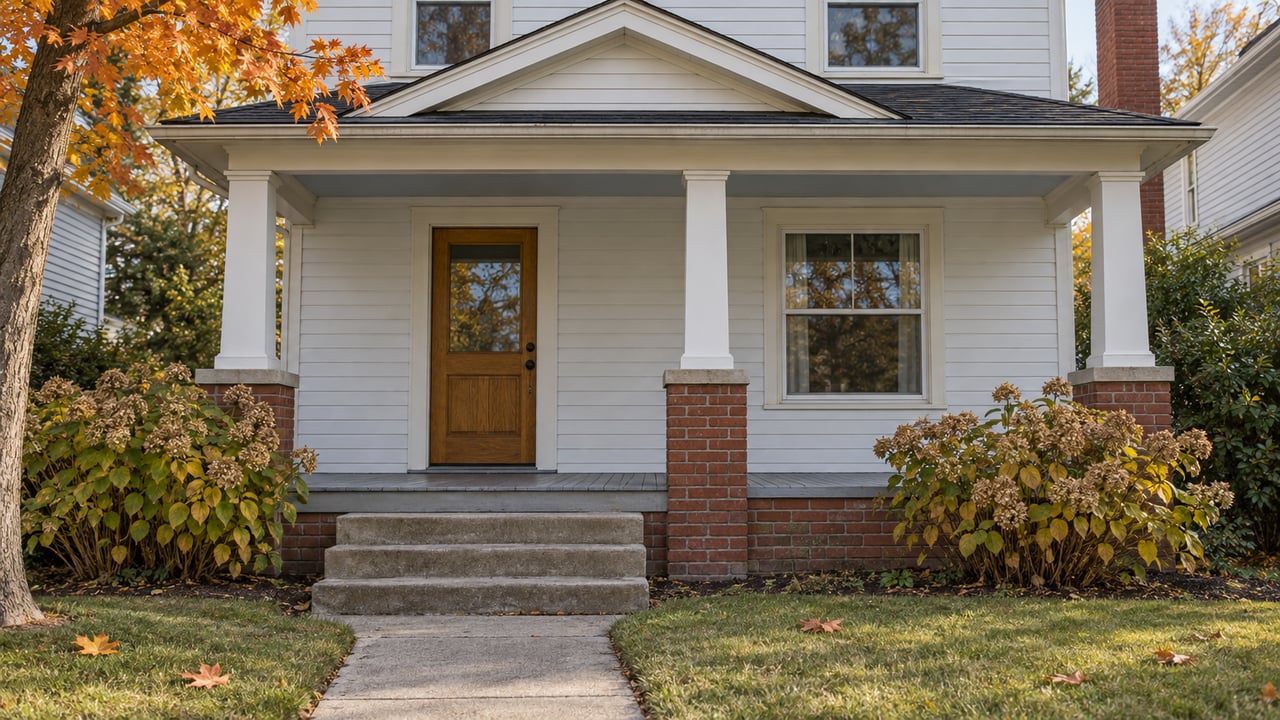
- Book exterior photos on bright, dry days. In winter, capture clear, snow-managed shots. In spring and summer, feature your green lawn, fresh mulch, and tidy beds.
Exterior must-dos all year
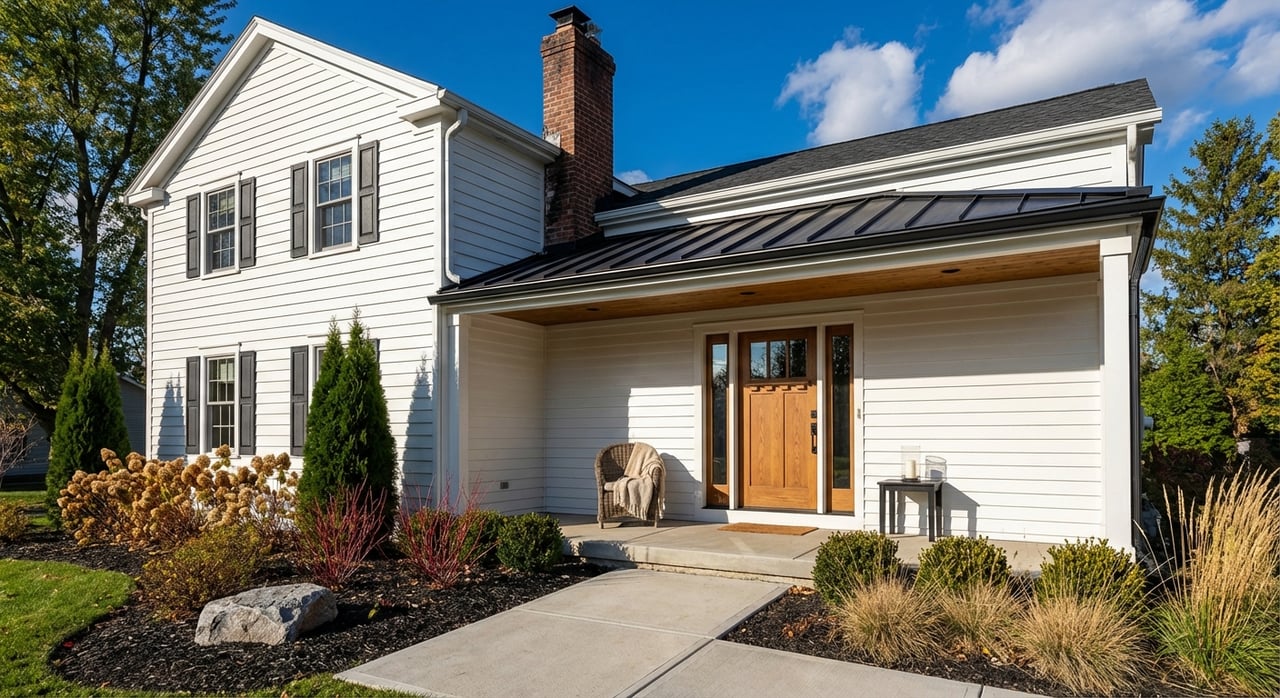
Strong first impressions start outside. Tackle these items no matter when you list:
- Clean and repair gutters and downspouts. Add extensions so water drains several feet away from the foundation. Good drainage lowers the chance of spring seepage. The University of Minnesota explains the high-impact fixes for basement moisture in plain terms. Review their guidance.
- Touch up trim and entry paint, and replace broken light fixtures. A bright front entry feels welcoming in every season.
- Repair roofing details like loose flashing. Catching small issues early avoids red flags during inspection.
- Keep sidewalks and entries clear. Property owners in Minnetonka are responsible for clearing adjacent sidewalks and keeping them safe. Check the city’s sidewalk and snow guidance.
Winter readiness: roof and ice-dam prevention
Ice dams are a common Minnesota issue that can worry buyers. You can lower the risk and present your home with confidence.
- Preventive upgrades: air-seal the attic, add insulation to cold-climate levels, and confirm soffit-to-ridge ventilation. These steps reduce melt-and-refreeze on roof edges. See the UMN Extension ice-dam guide.
- Short-term steps: clean gutters in late fall and have a safe plan to roof-rake heavy snow from eaves.
- Comfort messaging: if you have documentation for recent air sealing or insulation work, keep it handy. Buyers value warmer winter performance and predictable heating costs.
Basements and radon: Minnesota priorities
Basements can show seasonal moisture, especially during spring thaws. Before listing, address the simple, high-return fixes:
- Confirm gutters and downspouts are clear and draining away from the home.
- Check grading so water slopes away from the foundation.
- Test your sump pump, and consider a battery backup if appropriate.
- Control humidity with a dehumidifier if needed. For a prioritized approach, review the University of Minnesota’s moisture and basements guide. Explore the checklist.
Radon is also a key topic for Minnesota homes. About two in five homes in our state test high. Minnesota’s Radon Awareness Act requires sellers to disclose whether testing has been done, share records, describe any mitigation, and provide the Minnesota Department of Health (MDH) radon publication to buyers. Testing and mitigation are not required by law, but doing them ahead of time can remove a common contingency and reassure buyers. Read the MDH radon guidance for sellers.
Required disclosures: what to prepare
Selling in Minnesota includes several important disclosures. Plan to gather these well before you list:
- Minnesota seller disclosure: you must disclose known material facts in writing. Standard forms from your agent or attorney will include required items, including radon. Review the Minnesota statutes.
- Radon disclosure: provide the MDH radon publication and disclose any known testing or mitigation details. The MDH packet linked above covers what buyers expect.
- Lead-based paint: if your home was built before 1978, you must provide the EPA’s “Protect Your Family From Lead in Your Home” pamphlet, disclose known information, and allow a 10-day inspection period unless waived. See the EPA’s seller requirements.
If you are unsure what applies to your home, your agent can supply the correct forms and help you complete them accurately.
Mechanical systems and energy records
Cold-weather buyers focus on comfort and reliability. Before you list:
- Service the furnace or boiler and replace filters. In warm months, service the AC.
- Test the water heater and sump pump. Fix small issues now rather than during inspection.
- Gather maintenance receipts and, if you are comfortable, recent utility statements. Buyers often ask about average winter costs.
Staging that works in any season
Effective staging helps buyers picture themselves living in your home and can reduce time on market. The National Association of Realtors reports that staging often shortens days on market and can influence offer amounts. Focus first on the living room, primary bedroom, and kitchen for the biggest impact. See NAR’s staging summary.
Simple moves go far: a deep clean, clutter reduction, balanced furniture, fresh textiles, and layered lighting. In winter, choose warm bulbs and add cozy but neutral accents. In spring and summer, let in maximum natural light and highlight outdoor living spaces.
Season-by-season prep checklists
Winter showings
- Clear a 3- to 4-foot path to the front door and keep it de-iced. Make house numbers easy to see in the dark.
- Turn on exterior lights for evening showings. Add a boot tray and floor mats at the entry.
- Keep the thermostat comfortable and light rooms with warm, layered lamps. Use neutral seasonal decor.
- Pre-arrange snow removal so access is never a question. Remember, Minnetonka requires owners to maintain adjacent sidewalks.
Spring and early summer showings
- Refresh mulch, edge the lawn, and prune shrubs. Clean windows and screens.
- Inspect gutters and downspouts before spring rains.
- Schedule photos on a bright day and open blinds to showcase daylight.
- Declutter and consider small updates that stand out in natural light, such as new entry hardware.
Summer and fall showings
- Service the AC and set a comfortable showing temperature. Control indoor humidity.
- Keep patios and decks staged as usable spaces. Tidy planters and seating.
- In fall, clear leaves promptly, clean gutters before freeze, and check exterior lights as days shorten.
- Update listing photos if landscaping changes significantly.
Your 6-month roadmap to list with confidence
Use this timeline whether you plan to list in spring, summer, fall, or winter. Adjust outdoor tasks to your season.
4–6 months before listing
- Schedule a pre-listing checkup or walkthrough to flag deferred maintenance. Prioritize items that affect showings or inspection outcomes.
- Order a radon test now so you have clear results before going active. If elevated, plan mitigation early to avoid surprises. MDH explains options.
1–3 months before listing
- Complete exterior touchups: paint trim, power wash, and plan lawn or snow care depending on season.
- Service HVAC systems. Keep receipts for your listing packet.
- Stage high-impact rooms and plan your photo strategy. Staging data suggests faster sales when these spaces shine. Review NAR’s findings.
1–2 weeks before listing
- Deep clean, declutter, and depersonalize. Finalize minor repairs.
- Prep for showings by season: winter snow and salt plan, or spring yard cleanup and drainage checks.
Listing week and day-of
- Confirm lighting is consistent throughout. Set comfortable temperatures.
- Capture professional photos on a clear day. Stash cords, countertop items, and personal photos.
- Keep sidewalks and entries clear at all times for last-minute showings.
Ready to talk timing and prep?
When you plan early and tailor your prep to the season, you give buyers exactly what they want to see: a well-cared-for Minnetonka home that lives well year-round. If you would like a tailored plan, pricing guidance, or help coordinating vendors, reach out to Renée Wilson for a personal consultation.
FAQs
When is the best time to list in Minnetonka?
- Spring often brings the biggest buyer pool, with a mid-April to late May window performing well in national analyses. If you need to sell sooner, you can still succeed off-season by focusing on comfort, lighting, and curb appeal. See Realtor.com’s timing overview.
Do I need to test or mitigate radon before selling in Minnesota?
- The law requires disclosure of known radon tests and providing the MDH publication, but it does not require testing or mitigation. Many sellers test and, if needed, mitigate before listing to reduce buyer contingencies. Learn about MDH’s guidance.
What disclosures are Minnesota sellers required to provide?
- You must disclose known material facts in writing, complete the state’s radon disclosure requirements, and provide federal lead-based paint disclosures for pre-1978 homes. Your agent will supply the correct forms. Review the statutes and EPA overview, and the EPA guide.