Wondering where your HOA dollars go in Eden Prairie? You are not alone. Whether you are eyeing a condo near the lakes or a townhome with snow removal included, understanding HOA fees helps you budget and avoid surprises. In this guide, you will learn what HOA fees typically cover here, how they can vary, and the documents you should review before you buy or sell. Let’s dive in.
What HOA fees are
HOA fees are recurring payments you make to your homeowners or condo association to fund shared services and upkeep. They are separate from your mortgage and property taxes. Associations bill monthly, quarterly, or annually depending on their budget and governing documents. The goal is to maintain common areas, plan for repairs, and manage the community fairly and consistently.
Why fees vary in Eden Prairie
Fees differ based on property type and scope of services. Condo associations often include exterior building maintenance and a master insurance policy, while single-family HOAs may focus on common landscaping, private streets, and amenities. Age and condition of buildings, the number of homes, and the presence of amenities like pools or fitness rooms also influence cost. Minnesota winters add line items for snow removal, ice management, and roof care, and professional management can affect fees as well.
What your HOA fees typically cover
Every association is unique. Use these categories to understand what is commonly included in Eden Prairie communities and to ask targeted questions.
Operations and grounds
- Landscaping and grounds care, including lawn service, tree trimming, and planting beds.
- Snow removal and ice management for private roads, driveways, and sidewalks, which is a significant seasonal cost in Minnesota.
- Exterior building upkeep for condos and many townhomes, such as siding, painting, and roof repairs.
- Common-area utilities like exterior lighting, streetlights, and irrigation water.
- Trash and recycling service, either for common areas or through a bulk contract that covers all owners.
- Pest control for shared areas.
Amenities and programs
- Pools, clubhouses, and fitness rooms, including staffing and maintenance.
- Sports courts, paths, and gated entries.
- Lake, pond, or shoreline features where the HOA is responsible for maintenance and stormwater management.
Administration and insurance
- Management company fees for community administration.
- Legal and accounting costs, including rule enforcement, collections, and tax preparation.
- Board and committee expenses such as mailings and meetings.
- Master insurance premiums for buildings or common elements, depending on the property type.
Reserves and capital projects
- Contributions to the reserve fund for future big-ticket items like roof replacement or parking lot resurfacing.
- Periodic reserve studies to evaluate long-term needs and appropriate funding levels.
- Special assessments if reserves and operating funds are not enough to handle an unexpected or major expense.
Utilities and service pass-throughs
- Some associations include water, sewer, internet, or cable in bulk contracts.
- Others bill owners directly or allocate costs based on usage.
Insurance basics you should verify
Two policies usually apply. The association carries a master policy for common areas and, in many condos and townhomes, exterior components of buildings. You typically carry your own policy for interior finishes, personal property, and liability. Ask if the master policy is “all-in” or “bare walls,” what the deductible is, and who pays the deductible in a claim involving your unit. Also confirm what happens with winter-related damage like ice dams or water intrusion.
Due diligence for buyers and sellers
Before you write an offer or accept one, gather documents and get clear on what fees cover. This reduces risk of surprises and helps your lender underwrite the loan.
Documents to request
- Declaration and Bylaws, plus the rules and regulations.
- Current operating budget and the most recent financial statements.
- Reserve study and current reserve fund balance.
- Meeting minutes from the last 6 to 12 months.
- Master insurance certificate or summary of coverage and deductibles.
- A list of recent and pending special assessments and the association’s policy.
- Collection and delinquency policy, including lien procedures.
- Management agreement if a professional manager is used.
- Estoppel certificate or payoff statement showing dues, delinquencies, transfer fees, and pending assessments.
Smart questions to ask
- What exactly does the monthly or quarterly fee include, item by item?
- Are any utilities included or billed separately?
- Are special assessments planned or likely in the next year or two?
- What is the current reserve fund balance and the recommended level for the community’s age and infrastructure?
- Are there any lawsuits pending or threatened?
- What is the delinquency rate and how are collections handled?
- What are the rules on rentals, pets, architectural changes, and occupancy limits?
Lender and tax notes
Your lender will include HOA dues in your monthly housing cost for qualification. Condos may require project-level documentation on financial stability and owner-occupancy. For most owner-occupied homes, HOA dues are not tax-deductible, although there may be exceptions for rental properties or specific home office scenarios. Consult your lender and tax advisor early in the process.
How fees affect your budget and resale
HOA dues influence affordability because they add to your monthly payment. A community that covers snow removal, exterior maintenance, and roof reserves might justify higher dues if it reduces your out-of-pocket exposure. Well-managed HOAs with healthy reserves and sensible services can support resale value. Frequent special assessments, unclear rules, or thin reserves can make selling harder.
Special assessments and what triggers them
Special assessments are one-time charges to cover big expenses that the budget and reserves cannot handle. Examples include an unexpected roof failure, major structural repair, or dredging of a stormwater pond. You should ask how often assessments have been used, what projects they funded, and whether any are scheduled. If an assessment is disclosed late, buyers sometimes negotiate credits or price adjustments so responsibilities are clear.
Minnesota winter realities
Cold weather affects both services and risk. Snow removal and ice control on private roads and sidewalks are significant costs, and roof maintenance to prevent ice dams is often part of planning. Freeze and thaw cycles can lead to water intrusion, so confirm how the master policy and your personal policy interact. Ask about response procedures for storms and who is responsible for interior repairs after an insured exterior event.
Red flags to watch for
- Missing or incomplete financial statements, or no recent reserve study.
- Very low reserve balances for an older community.
- Frequent or recent special assessments without a clear plan to reduce future risk.
- Meeting minutes that mention significant or unresolved litigation.
- High delinquency rates that threaten cash flow.
- Large fee increases without a clear explanation.
Estoppel certificates and closing logistics
An estoppel certificate confirms amounts owed, current dues, transfer fees, and pending assessments. Buyers and lenders rely on it to avoid surprises and to decide who pays what at closing. Obtain it early and make sure your purchase agreement clearly states who is responsible for any assessments that arise before the closing date. Your title company or closing attorney will typically coordinate this document and prorations.
Eden Prairie property types: what to expect
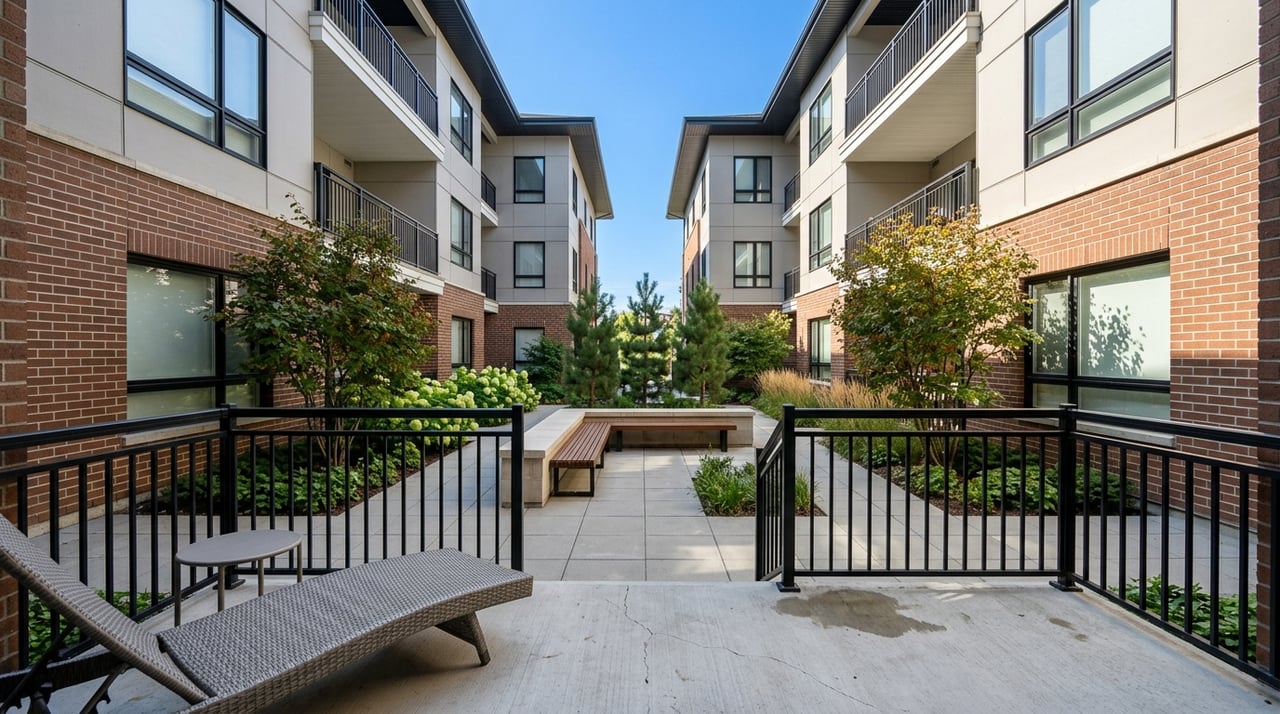
- Condominiums: Fees often include exterior building maintenance, master insurance on the structure, and many common utilities. You will typically need an HO-6 policy for interiors and personal property.
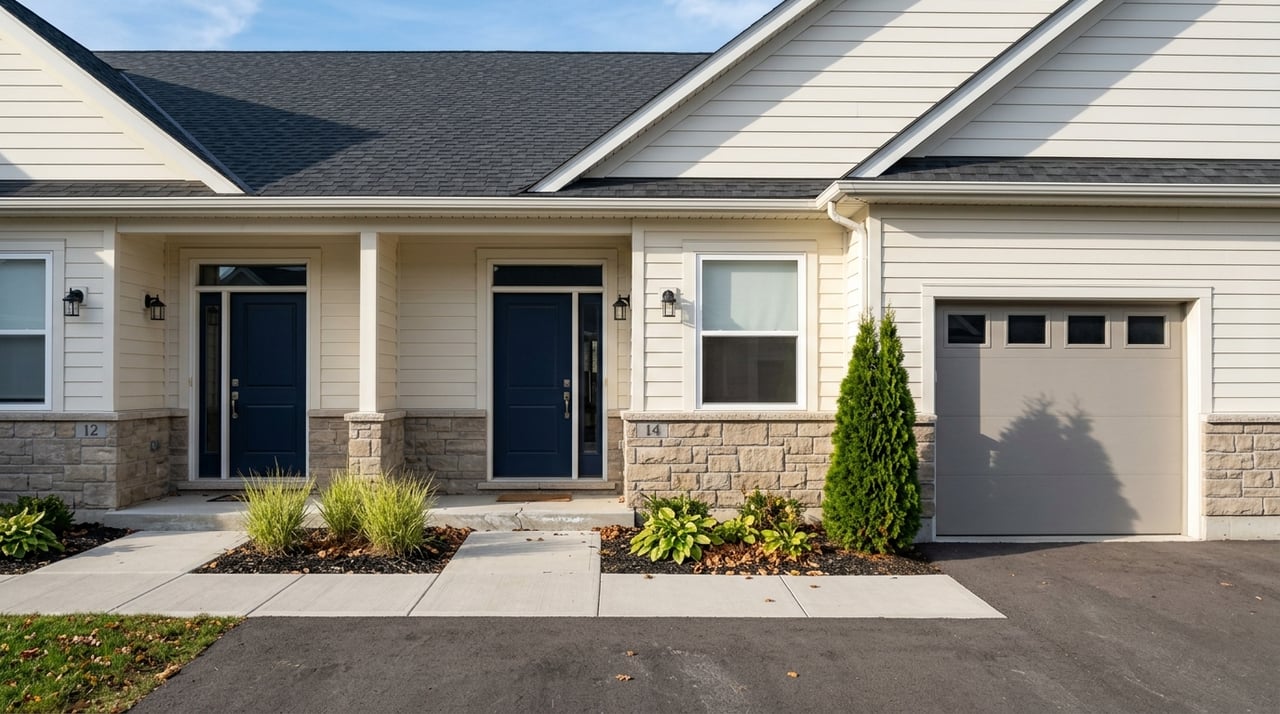
- Townhomes and duplexes: Coverage varies. Some associations handle roofs, siding, and driveways, while others focus on snow removal and landscaping only.
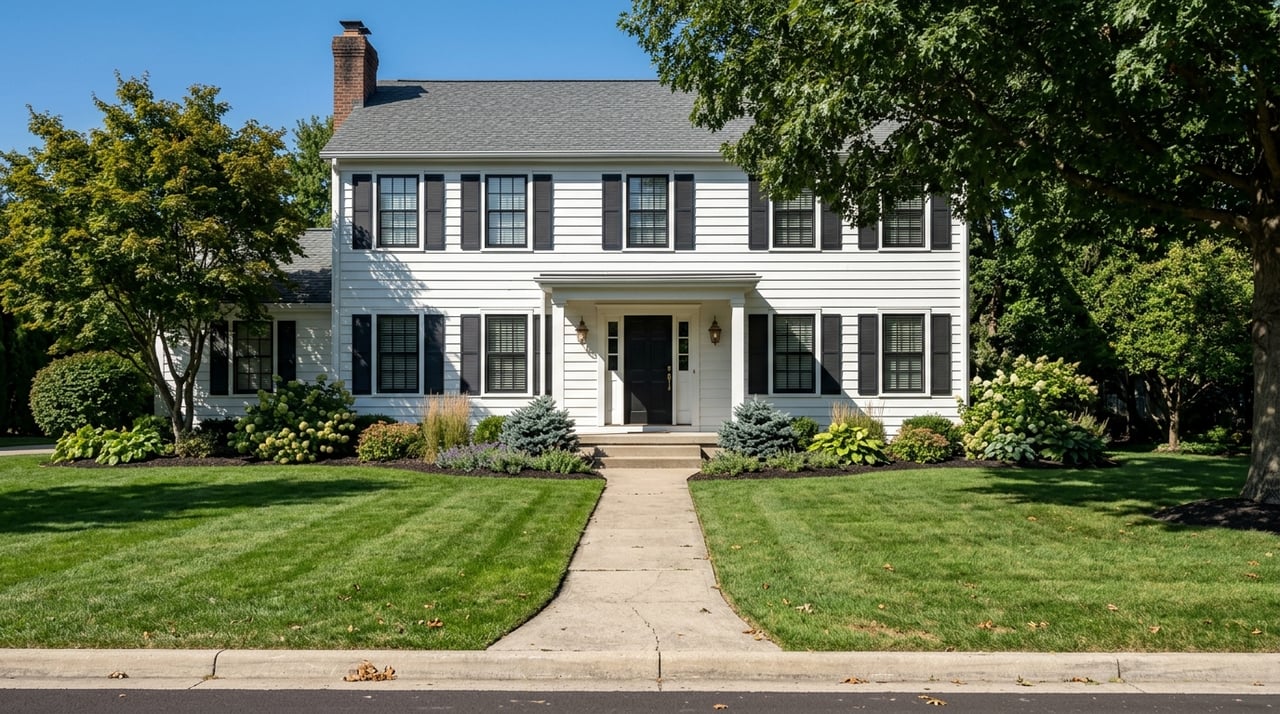
- Single-family HOA neighborhoods: Fees usually fund common area care, private road maintenance, and amenities. Exterior upkeep of individual homes is usually the owner’s responsibility unless the governing documents say otherwise.
A simple pre-offer checklist
- Verify the exact list of services included in dues.
- Review the reserve study and current reserve balance.
- Scan meeting minutes for assessments, large projects, or litigation.
- Confirm rental rules, pet policies, and architectural guidelines.
- Ask how snow removal works for your driveway, sidewalks, and private roads.
- Clarify master insurance coverage and deductibles.
- Ensure your lender’s condo or project requirements can be met if applicable.
Local resources you can use
For recorded declarations and plats, consult Hennepin County property records. Eden Prairie city offices can clarify whether roads are public or private and may reference HOA responsibilities in permits. Local title companies, closing attorneys, and experienced lenders can guide you on estoppel practices and condo approvals. Community association trade groups provide best practices on reserves and governance.
Bottom line for buyers and sellers
HOA fees in Eden Prairie are not one-size-fits-all. When you understand what they cover, how reserves work, and where winter costs show up, you can budget with confidence and protect your resale value. Solid documents and clear answers from the association turn a good community into a smart investment.
If you want help reviewing HOA documents, weighing costs, or positioning your home for the best outcome, reach out to Renée Wilson. With decades of local experience and hands-on guidance, you will get clear, steady advice from offer to close.
FAQs
What do HOA fees usually include in Eden Prairie?
- Typical items are grounds care, snow and ice removal, exterior maintenance for condos or some townhomes, common utilities, master insurance, and reserve contributions.
Are HOA fees tax-deductible for homeowners?
- Generally no for owner-occupied homes, with possible exceptions for rentals or certain home office situations; confirm with a tax professional.
How do HOA dues affect my mortgage approval?
- Lenders include dues in your monthly housing cost and debt-to-income calculations, and condos may require project-level documentation.
What is an estoppel certificate and why does it matter?
- It is a document that confirms dues, delinquencies, transfer fees, and assessments so buyers and lenders can allocate costs correctly at closing.
What is the difference between condo and single-family HOA coverage?
- Condos often include exterior building elements and a master policy, while single-family HOAs usually cover common areas and amenities rather than home exteriors.
Who pays a special assessment if it is announced during my purchase?
- Responsibility depends on your purchase agreement and timing; verify via the estoppel certificate and get the allocation in writing before closing.