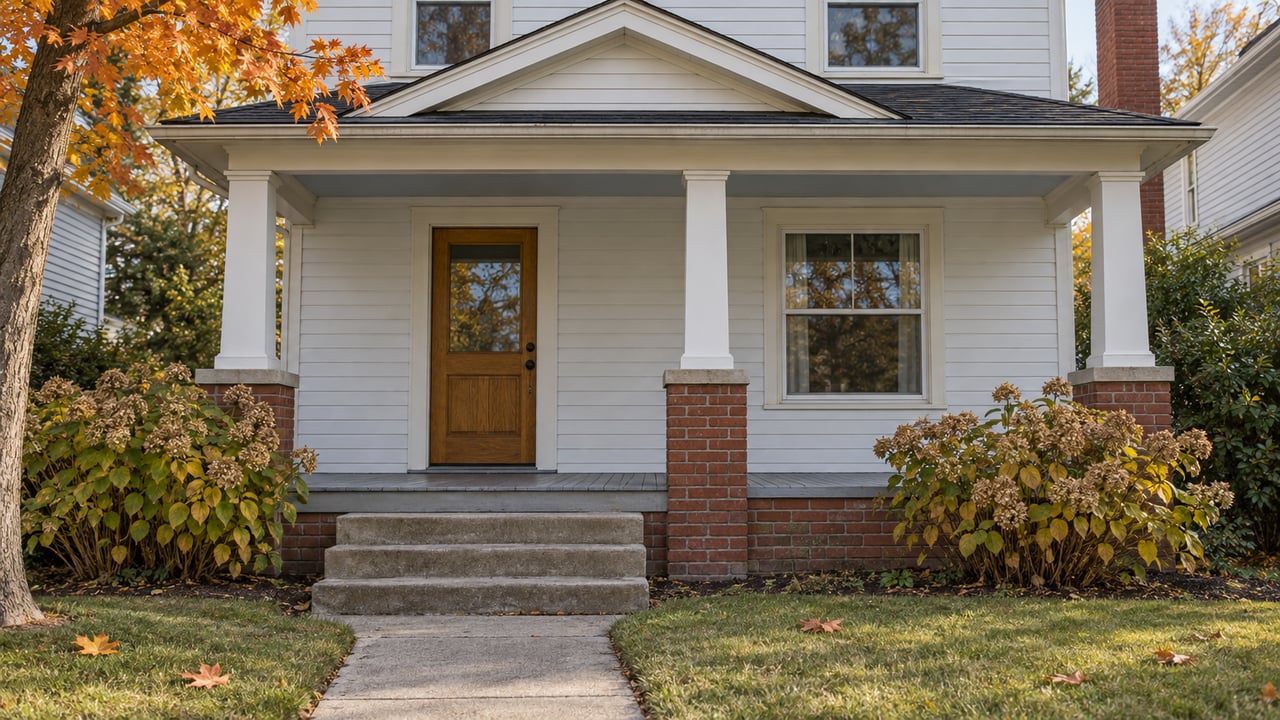
Trying to choose between a condo and a single-family home in Minneapolis? You are not alone. For many buyers, the decision is less about which property type is better and more about which one fits your budget, lifestyle, and long-term plans. If you are weighing walkability against yard space, or convenience against control, this guide will help you sort through the tradeoffs with more confidence. Let’s dive in.
Minneapolis offers both options
Minneapolis gives you a broad mix of housing choices, which is part of what makes this decision so personal. According to the city’s 2025 Consolidated Plan, about 41% of residential properties are 1-unit detached homes, while larger multifamily buildings make up a significant share of the housing stock as well.
That range matters because condos and single-family homes are often found in different parts of the city and support different living patterns. The same city plan notes that Minneapolis has removed single-family zoning and is allowing more density near downtown and transit corridors, which helps explain why housing choices can vary so much from one area to another.
In the current market, Redfin’s Minneapolis housing data shows a citywide median sale price of $320,000, about 52 days on market, and roughly three offers on average. Redfin also reports 461 condos for sale in Minneapolis at a median listing price of $250,000, which gives many buyers a different entry point than detached homes.
Why some buyers choose condos
A condo often appeals to buyers who want a simpler day-to-day ownership experience. In many cases, you are trading private outdoor space for a more manageable property and easier access to city amenities.
In Minneapolis, condos are often concentrated in more urban, walkable locations. Redfin snapshots show condo inventory in places like North Loop, Downtown East, and Loring Park, with walk scores ranging from 84 to 91. Redfin lists North Loop condos at a median listing price of $353,000, Downtown East condos at $551,000, and Loring Park condos at $299,000.
That location pattern is a major reason condos stand out. Meet Minneapolis describes Uptown as an area with global cuisine, retail, and nightlife, while downtown districts are known for proximity to jobs, restaurants, and connected amenities. For many buyers, the condo choice is really about walkability, transit access, and less direct exterior maintenance.
Common condo advantages
- Lower median entry price compared with many detached homes
- Less direct responsibility for exterior upkeep and common-area maintenance
- Strong fit for lock-and-leave living
- Often located near downtown, restaurants, transit, and entertainment
- May suit downsizers, busy professionals, or buyers who want a more urban routine
Why some buyers choose single-family homes
A single-family home usually gives you more control over the property and more separation from neighbors. For buyers who care most about outdoor space, storage, or flexibility, that can be a major advantage.
In Minneapolis, detached homes are often more common in residential areas outside the urban core. The city’s planning framework supports higher density closer to downtown and transit corridors, while keeping a mix of housing types in neighborhood interiors. In practical terms, that often means single-family options feel more residential, while condo options cluster closer to higher-density areas.
Price is part of the equation too. Redfin data shows Linden Hills with a median sale price of $722,500 and a walk score of 65, while Fulton single-story homes show a median listing price of $790,000. Lowry Hill single-story homes show a median listing price of $599,000 with a walk score of 76.
Common single-family advantages
- Private yard or outdoor space
- More room for storage, hobbies, or guests
- Greater control over repairs, updates, and property use
- Often more separation from neighbors
- Better fit if you want gardening space or more bedrooms
Monthly cost matters more than price alone
One of the biggest mistakes buyers make is comparing only the purchase price. In Minneapolis, a condo may come with a lower entry price, but that does not automatically mean the monthly cost is lower.
With a condo, you will usually need to factor in HOA dues along with your mortgage, property taxes, and insurance. With a single-family home, you may not have HOA dues, but you are more directly responsible for maintenance, repairs, and exterior upkeep.
The better question is this: What will it cost you each month to live there comfortably and responsibly? That includes recurring fees, likely repairs, insurance needs, and whether the property fits your routine without stretching your budget.
Condo ownership has extra due diligence
If you are considering a condo, document review is especially important. Under Minnesota law, condo resales require the seller to provide key association documents, including the declaration, bylaws, rules, and a resale disclosure certificate dated no more than 90 days before the purchase agreement or conveyance. You can review those requirements in Minnesota statute.
This matters because a condo purchase is not only about the unit itself. You are also buying into the financial health and governance of the association.
Under the Minnesota Common Interest Ownership Act, the association is generally responsible for maintaining, repairing, and replacing common elements, while the unit owner is responsible for the unit. The law also requires association budgets to provide adequate reserve funds and reevaluate reserve adequacy at least every third year.
Questions to ask about any condo
- How much are the monthly HOA dues?
- What do those dues cover?
- Does the association have healthy reserve funding?
- Have there been recent or planned special assessments?
- Is there deferred maintenance in the building?
- What rules could affect how you use the property?
Financing can differ for condos
Financing a condo can be a little more project-sensitive than financing a detached house. According to Fannie Mae’s condo project guidance, lenders look closely at factors like master insurance, critical repairs, and overall project financial health.
Fannie Mae notes that some of the most common ineligible conditions involve insufficient master insurance and unresolved critical repairs. That does not mean condo financing is unusually difficult, but it does mean the building itself can affect your loan path in ways that do not usually come up with a typical single-family purchase.
This is one reason experienced guidance matters. If you are comparing condos, it helps to look beyond finishes and views and pay close attention to the building’s documents, reserves, and insurance structure.
Minneapolis market trends are not identical
Another helpful point for buyers is that condos and single-family homes do not always move in sync. The Minnesota Realtors 2025 annual housing market report found that in the Twin Cities metro, single-family sales rose 3.3% while condo sales fell 2.5%, and condos took longer to sell than single-family homes.
That does not make one property type better than the other. It simply means each segment can behave differently based on buyer demand, financing conditions, price point, and inventory.
If resale potential matters to you, it is wise to think about how long you expect to stay and what kind of buyer may want the property later. A well-located condo may appeal to a different buyer pool than a detached home with more space and autonomy.
How to decide which fits you
The right choice usually becomes clearer when you focus on your daily life rather than abstract features. Think about how you want to live over the next several years, not just what looks best online.
A condo may fit better if you:
- Want a lower entry price in Minneapolis
- Prefer walkability and easier access to city amenities
- Travel often or want a lock-and-leave property
- Do not want as much direct exterior maintenance
- Are comfortable with HOA dues and association rules
A single-family home may fit better if you:
- Want a private yard or more outdoor space
- Need extra bedrooms, storage, or hobby space
- Prefer more control over repairs and property decisions
- Value flexibility for future changes
- Are comfortable managing maintenance more directly
A practical way to compare options
If you are actively deciding between the two, create a side-by-side comparison for each property you are considering. Keep it simple and focused on the factors that will shape your day-to-day experience.
| Factor | Condo | Single-Family Home |
|---|---|---|
| Purchase price | Often lower in Minneapolis | Often higher in many residential areas |
| Monthly fees | HOA dues usually apply | HOA may not apply |
| Maintenance | Shared common-area responsibility through association | More direct owner responsibility |
| Outdoor space | Usually limited or shared | Usually more private |
| Walkability | Often stronger in urban core | Varies by neighborhood |
| Autonomy | More rules and shared governance | More control over property decisions |
When you review options this way, the tradeoffs become easier to see. What looks less expensive upfront may cost more each month, and what offers more independence may require more time, planning, and upkeep.
A steady local perspective helps
Minneapolis gives you real variety, which is a strength. But that also means the condo versus single-family decision is rarely one-size-fits-all.
The best choice depends on your budget, how you want to spend your time, what kind of location feels right, and how much responsibility you want to take on directly. With careful comparison and the right local guidance, you can choose a home that supports your life now and still makes sense for the future.
If you want help weighing Minneapolis condos against single-family homes, Renée Wilson offers experienced, thoughtful guidance to help you compare neighborhoods, monthly costs, and long-term fit with confidence.
FAQs
What is the main difference between a condo and a single-family home in Minneapolis?
- A condo usually offers shared building ownership, HOA dues, and less direct exterior maintenance, while a single-family home usually offers more private space, more control, and more direct maintenance responsibility.
Are condos usually cheaper than single-family homes in Minneapolis?
- They can be. Redfin reports Minneapolis condos at a median listing price of $250,000, while many detached-home areas mentioned here show higher pricing, but your full monthly cost should include HOA dues, taxes, insurance, and maintenance.
What should you review before buying a condo in Minneapolis?
- You should review HOA dues, reserve funding, special assessments, building rules, insurance, and required resale documents such as the declaration, bylaws, rules, and resale disclosure certificate.
Do Minneapolis condos and single-family homes sell at the same pace?
- Not always. Minnesota Realtors reported that in the Twin Cities metro, condos took longer to sell than single-family homes in 2025, which shows the two segments can behave differently.
Is walkability better with condos in Minneapolis?
- Often, yes. Condo inventory commonly clusters in more urban areas like North Loop, Downtown East, and Loring Park, where Redfin reports higher walk scores than many more residential detached-home areas.
How do you know whether a condo or single-family home fits your lifestyle?
- Start by comparing your priorities: walkability, maintenance, monthly cost, outdoor space, storage, and how much control you want over the property. The better fit is usually the one that matches how you want to live day to day.