Love the character of stained glass, built-ins, and wide front porches, but unsure what surprises an older St. Paul home might hold? You are not alone. With the right inspections, a clear plan for permits, and smart budgeting, you can buy with confidence and enjoy the charm that draws so many to these homes. In this guide, you will learn what to look for, which tests to order, how local rules work, and practical ways to finance updates. Let’s dive in.
What “older” means in St. Paul
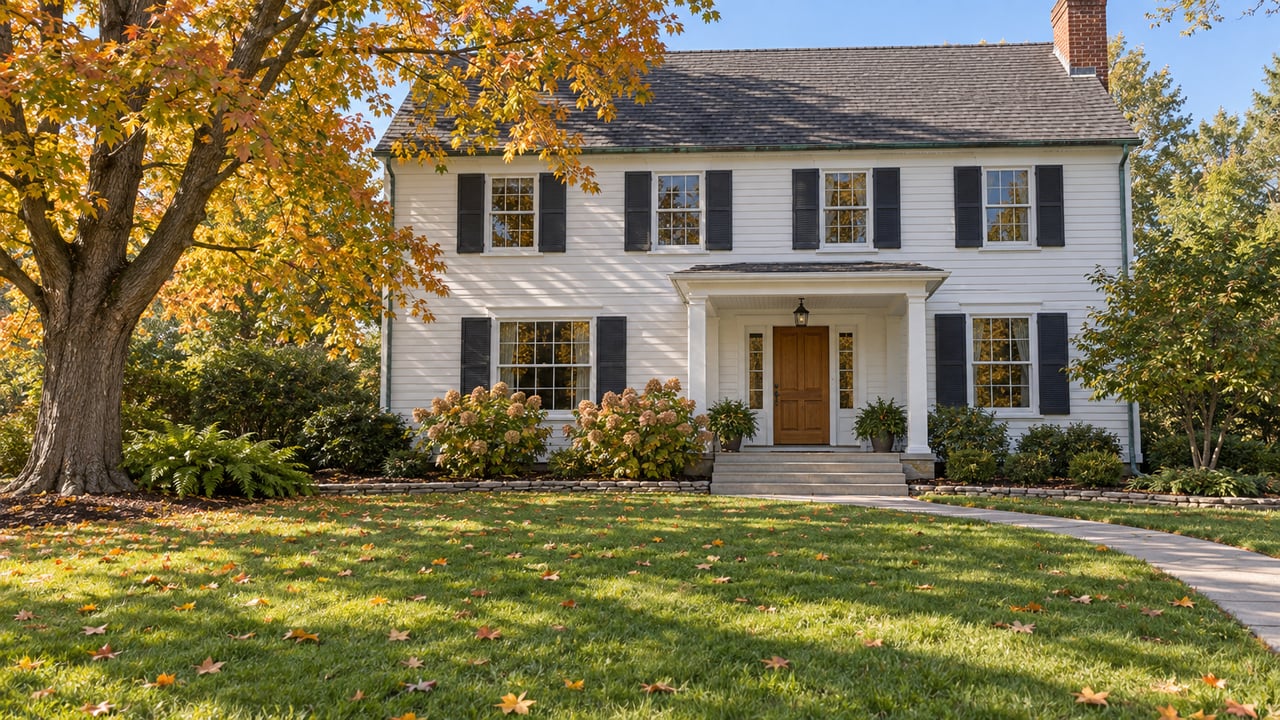
St. Paul has a deep inventory of pre‑war and early‑20th‑century homes. Many neighborhoods and the Capitol Area show median construction years around 1900 to 1910, which is why you will often see plaster walls, fieldstone foundations, and period details. You can review the age of local housing in the city’s comprehensive planning materials for context on why older systems are common here (Saint Paul comprehensive plan background). That history is a big part of the appeal, and it also shapes your inspection and renovation game plan.
Smart inspections for older homes
Older homes benefit from a standard whole‑house inspection plus targeted specialist checks. Plan your timeline so you can complete these during your inspection period.
Structure, foundation, and drainage
St. Paul’s older stone or brick foundations can show mortar wear, minor settlement, or water intrusion from grading or failed drain tile. Interior signs like efflorescence or recurring moisture suggest a need for a foundation contractor assessment. Solutions range from exterior waterproofing to interior drainage and sump systems, and pricing varies by scope; get local bids and written scopes from reputable contractors (St. Paul waterproofing contractors). Ask for any records of past repointing or foundation repairs.
Roofs, chimneys, and the envelope
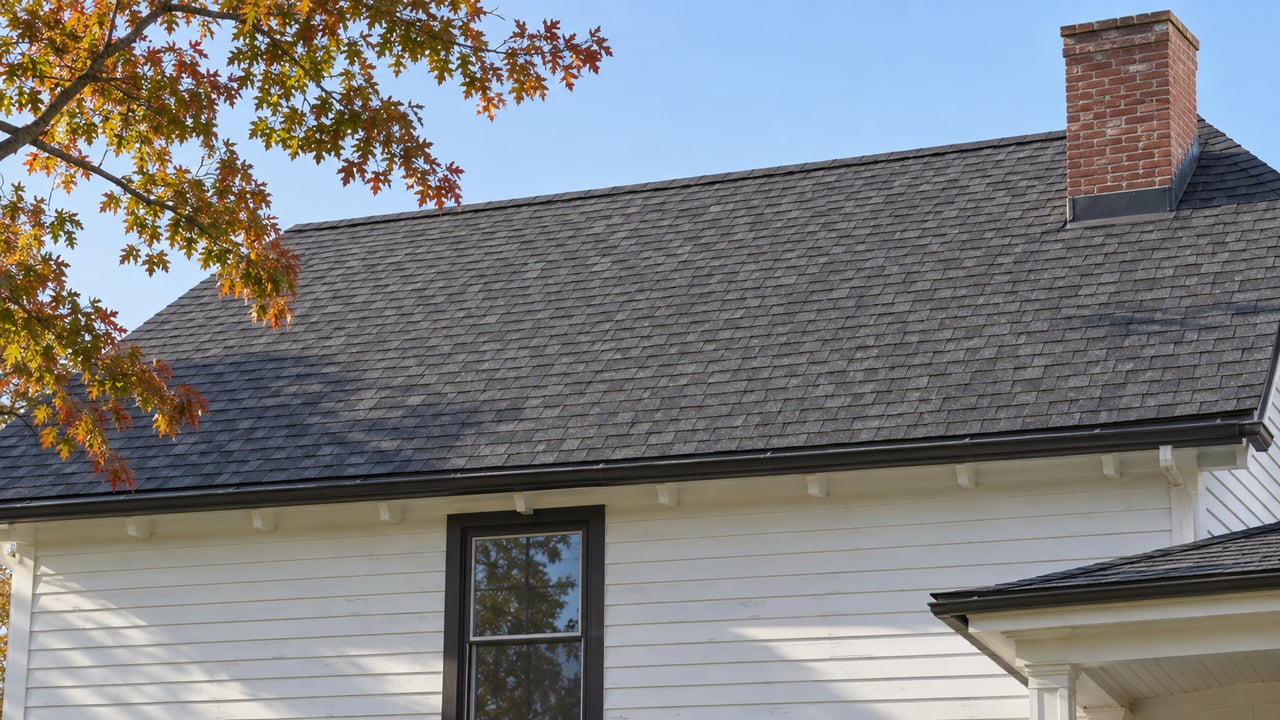
Unlined chimneys, aging flashing, and tired underlayment are common in older homes, even when shingles look fine. If the house has a fireplace or a solid‑fuel appliance, schedule a chimney inspection. Expect to budget for masonry or cap work as part of long‑term maintenance.
Electrical systems
You may encounter older panels, small service capacity, or legacy wiring types like knob‑and‑tube. Knob‑and‑tube lacks grounding and can be viewed as a risk by insurers, who may require upgrades before issuing or renewing a policy. A licensed electrician who understands historic homes should assess load needs, grounding, and whether a service upgrade is due (background on knob‑and‑tube).
Plumbing and water service lines
Galvanized steel supply lines and older drains are common. In some areas, lead service lines are also a possibility. Minnesota is completing a statewide service line inventory; ask the seller and the utility about the property’s service material and check guidance on how communities identify and plan replacements (MDH lead service line inventory guidance). If you have concerns, consider a water service inspection or testing.
Heating systems
Many pre‑war homes started with steam or gravity systems and later received boiler upgrades. Older cast‑iron units can be near end of life. A mechanical inspection by an HVAC contractor will flag safety, efficiency, and replacement timing so you can plan ahead.
Health‑priority tests: lead, asbestos, radon, and moisture
- Lead: For homes built before 1978, assume painted surfaces may contain lead. If you plan to disturb paint, the EPA’s Renovation, Repair and Painting (RRP) rule requires certified lead‑safe practices. Order a lead risk assessment or at least a paint test before major work (EPA RRP overview).
- Asbestos: Some mid‑century materials, such as certain floor tiles or pipe wrap, may contain asbestos. Do not disturb suspect materials until sampled; if present and you plan work, use qualified abatement contractors per federal and state rules.
- Radon: Ramsey County recommends testing every home. Include a short‑term test during inspections, and if levels are elevated, mitigation is a common and effective fix (Ramsey County radon resources).
- Moisture and mold: Older basements and crawlspaces raise the risk. Inspect for past water events and document any repairs.
Sanitary sewer line (lateral)
Older clay or early cast‑iron laterals can crack or fill with roots. A sewer‑camera scope is a wise add‑on before you close. Repair costs vary widely, so it pays to know the condition early.
Permits and historic‑district rules in St. Paul
Before you start a project, understand the local process. It can affect your timeline and your design choices.
Permits and inspections: DSI and PAULIE
The City of Saint Paul’s Department of Safety and Inspections (DSI) oversees building permits and inspections, and many applications run through the city’s online PAULIE platform. Structural changes, electrical, plumbing, HVAC, and many exterior repairs require permits, so confirm requirements before you assume work is exempt. Plan reviews and inspection schedules can extend timelines in practice (City of Saint Paul DSI).
Historic districts and exterior changes
Homes in local Heritage Preservation Districts, such as portions of Summit Avenue/Historic Hill, often need a certificate of appropriateness or design review for visible exterior changes. Windows, porches, siding, and colors can all be subject to review. Check whether a property lies in a local or national historic district before you plan exterior work, and contact heritage staff early (Historic districts and sites map and process).
Seller disclosures
Minnesota law requires a Seller’s Property Disclosure for most residential transfers. Use this document, along with your inspections, to verify condition and plan negotiations (Minnesota seller disclosure statute).
Budget and financing your fix‑ups
A realistic budget protects your project and your peace of mind.
Set reserves and expect systems work
Plan an immediate post‑purchase reserve for safety and function. Common drivers include electrical upgrades, repiping, boiler or furnace replacement, roof repairs, and foundation work. For older homes, a 10–20 percent contingency on systems‑heavy projects is a practical starting point, then refine with local contractor bids (foundation and waterproofing overview).
Renovation financing options
- FHA 203(k): Bundles your purchase and renovation into one loan for owner‑occupants. The streamlined or standard version applies based on scope and includes HUD procedures and oversight.
- Fannie Mae HomeStyle Renovation: A conventional single‑close mortgage that can fund a broad range of improvements.
- Local homeowner rehab loans and grants: St. Paul and Ramsey County have historically offered programs for eligible owner‑occupants. Availability and income limits change, so verify current options with city or county agencies.
- Energy programs: Utility‑partner offerings like the Home Energy Squad can help prioritize insulation, heating, and air sealing, and rebates can lower net costs.
Negotiation playbook for buyers
Use your findings to shape a fair deal and a smooth close.
- Ask for seller repairs or a credit when inspections uncover issues. For major systems, an escrow holdback can fund work after closing. Document scopes and estimates in writing.
- For pre‑1978 homes, require lead‑safe work practices for any paint disturbance or window replacement and obtain written estimates for compliance (EPA RRP basics).
- Confirm insurability and lending early if old wiring, fuel tanks, or significant deferred maintenance are present. Some insurers and lenders may require electrical upgrades before closing (insurability considerations for old homes).
- Factor historic‑district review into timelines and costs if exterior work is planned.
Step‑by‑step checklist
Use this quick list once your offer is accepted.
- Order the seller’s Property Disclosure and review it line by line (seller disclosure details).
- Schedule a whole‑house inspection plus specialist add‑ons: sewer‑camera scope, radon test, HVAC/boiler inspection, chimney inspection, and targeted lead or asbestos testing if you plan to disturb paint or suspect materials.
- Ask a licensed electrician to evaluate panel capacity, grounding, and any legacy wiring.
- Verify water service line material with the seller and utility; review MDH guidance on inventories and replacement planning (MDH service line guidance).
- Request written bids for any repairs so you can negotiate seller fixes, credits, or escrow.
- Confirm permit needs with DSI, and check whether the home sits in a local historic district.
- Talk with your lender about renovation financing if you plan major updates.
Work with a steady guide
Buying an older St. Paul home is very doable when you have a plan, the right specialists, and an experienced advocate at your side. With three decades of local experience and a calm, client‑first approach, you get clear advice, steady negotiation, and neighborhood context that helps you make confident choices. If you are considering a pre‑war or mid‑century home in Ramsey County, let’s talk about a tailored inspection and renovation strategy that fits your goals. Connect with Renée Wilson to get started.
FAQs
What should I expect in inspections for a 1900–1930 St. Paul home?
- Expect focus on foundation moisture, roof and chimney condition, electrical capacity and wiring type, older plumbing, boiler or furnace age, and a sewer‑camera scope; add radon and lead testing as needed, following EPA guidance for pre‑1978 homes (EPA RRP overview).
How do St. Paul historic districts affect exterior renovations?
- Properties in local Heritage Preservation Districts often require design review for visible changes, which can affect windows, porches, siding, and colors; check whether your property is in a district and contact heritage staff early to understand timelines and standards (historic districts and process).
Should I test for radon, lead, and asbestos before buying in Ramsey County?
- Yes. Ramsey County recommends radon testing for all homes, and pre‑1978 homes should be assessed for lead before disturbing paint; sample suspect asbestos materials before work and hire qualified contractors if abatement is needed (Ramsey County radon resources).
What is knob‑and‑tube wiring, and will insurers cover homes that have it?
- Knob‑and‑tube is an early ungrounded wiring method common in pre‑1950 homes; many insurers restrict or require replacement before issuing policies, so have a qualified electrician evaluate and plan for upgrades if present (knob‑and‑tube background).
Do I really need a sewer scope for an older St. Paul house?
- Yes. Older clay or cast‑iron laterals can crack or clog with roots; a sewer‑camera scope reveals condition and helps you negotiate repairs or plan replacements before closing.
Which renovations require permits in St. Paul?
- Structural, electrical, plumbing, HVAC, and many exterior repairs require permits; confirm requirements with the Department of Safety and Inspections and plan for review timelines to keep your project on track (City of Saint Paul DSI).