Love walking Summit Avenue and wishing you could name what you see? St. Paul is a living catalog of 19th- and early‑20th‑century home styles, from turreted Victorians to storybook Tudors and porch‑perfect Craftsman bungalows. In this guide, you’ll learn the quick visual cues that help you identify each style, where to see them on an easy stroll or drive, and what to know if you plan to buy. Let’s dive in.
Start on Summit Avenue
If you take one architecture walk, make it Summit Avenue. It is St. Paul’s signature corridor for grand houses and a clear lesson in how American residential styles evolved over time. For a short primer on the street’s history and landmarks, see this overview of Summit Avenue’s story and significance.
Before you go deeper, it helps to know that St. Paul formally designates many historic districts and sites. Exterior work on properties inside those districts can require design review. If you are exploring homes to buy or planning improvements later, bookmark the City’s heritage districts and sites page for maps and guidance.
Style cheat sheet: what to look for
Use these quick cues to recognize the classics you will see around St. Paul.
Victorian and Queen Anne
Victorian and Queen Anne houses are the scene‑stealers of the late 1800s. For a deeper dive into hallmark features, the National Park Service offers a helpful Queen Anne architecture overview.
- Asymmetry with prominent front gables, bay windows, and occasional towers or turrets.
- Wraparound porches with turned posts, spindlework, and ornate brackets.
- Textured surfaces like patterned clapboard or fish‑scale shingles; Second Empire variants show mansard roofs.
Typical era: 1860s to 1910, with Queen Anne peaking 1880 to 1910.
Where to spot it: Summit Avenue, Cathedral Hill, and Irvine Park, including landmark mansions. The James J. Hill House is a well‑known example and an excellent style reference.
Richardsonian Romanesque and Beaux‑Arts
These grand, late‑19th‑century styles often show up on the largest homes and civic buildings.
- Romanesque: heavy, rough‑cut stone; deep‑set round arches; massive, fortress‑like massing.
- Beaux‑Arts: classical symmetry, columned entries or porticos, broad steps, and sculptural ornament.
Typical era: roughly 1880s to the 1910s.
Where to spot it: Along Summit Avenue, on mansion blocks and in views that include the Cathedral of St. Paul’s Beaux‑Arts dome.
Craftsman and Bungalow
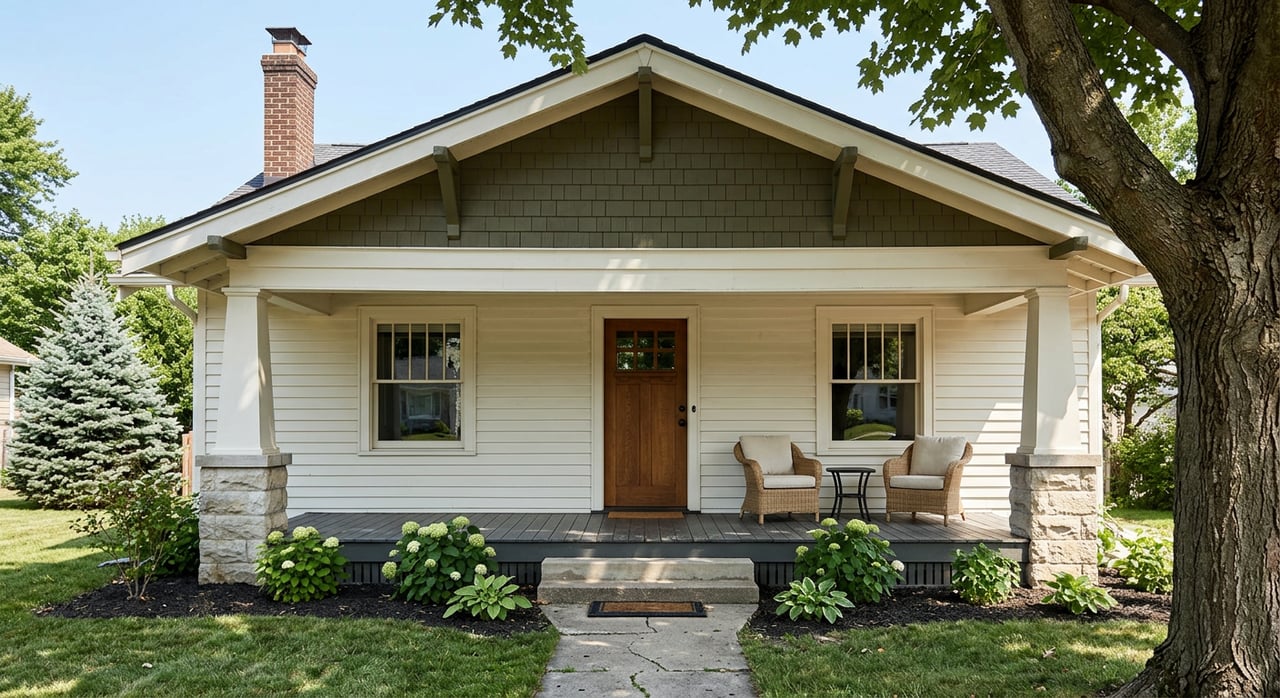
Craftsman bungalows bring warm, handcrafted character to early‑20th‑century streets. For a concise reference to signature details, see this NPS overview of Craftsman hallmarks.
- Low‑pitched gabled or hipped roofs with wide overhangs and exposed rafter tails or knee braces.
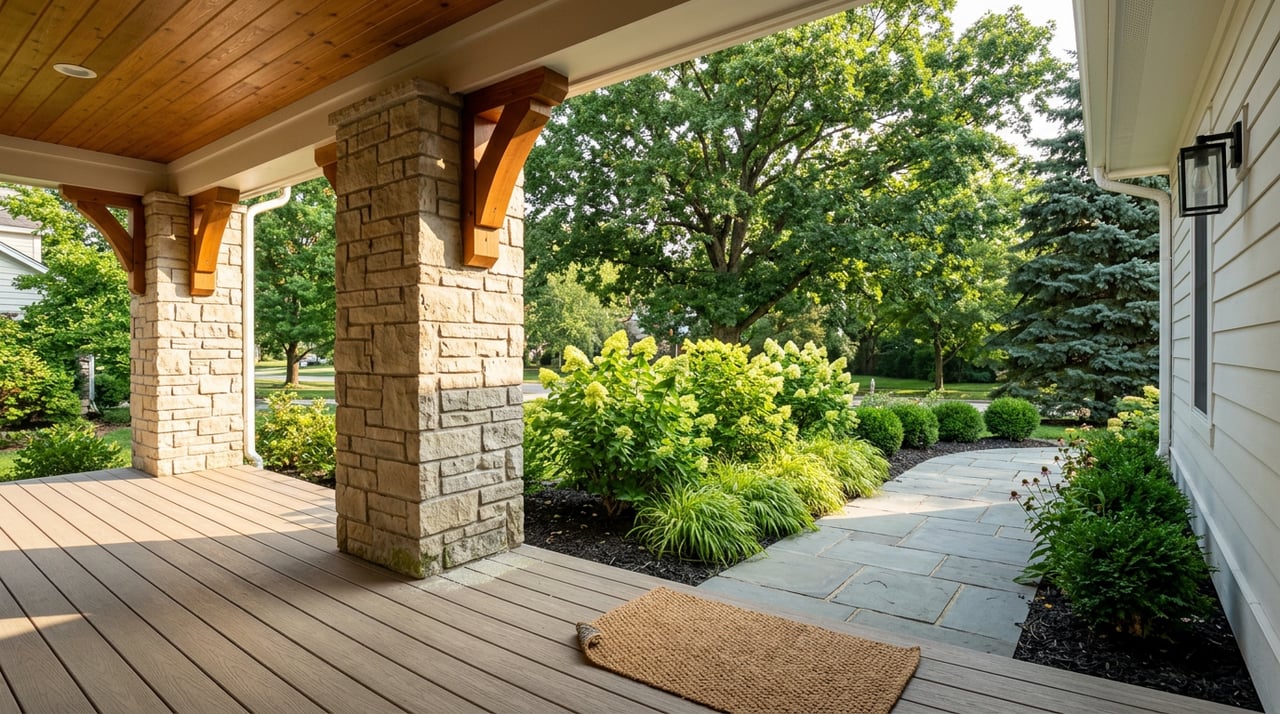
- Tapered square porch columns set on stone or brick piers; welcoming, deep porches.
- Natural materials and windows with multi‑light upper sashes over single lower panes.
Typical era: about 1905 to 1930.
Where to spot it: Macalester‑Groveland, Merriam Park, and Dayton’s Bluff, from modest bungalows to larger Craftsman homes.
Tudor Revival
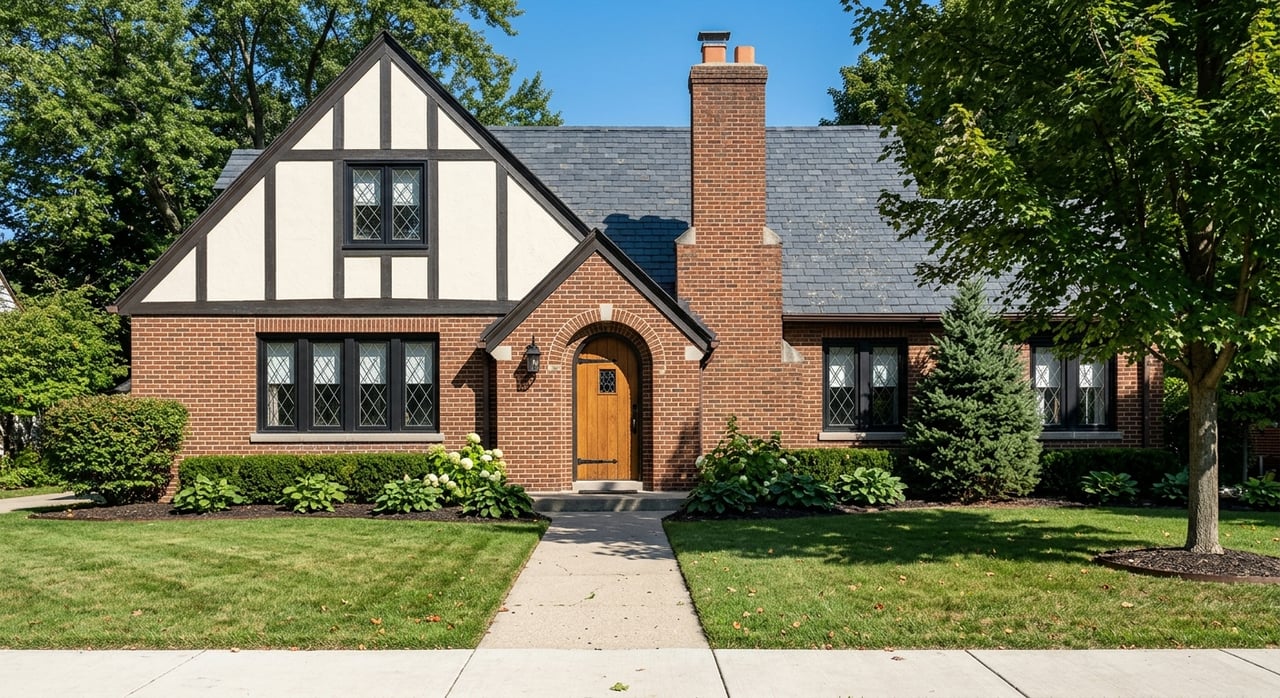
Tudor Revival homes are known for cozy, old‑world character.
- Steeply pitched cross gables and tall, narrow grouped windows with small panes.
- Decorative half‑timbering with stucco infill on gable ends.
- Arched or recessed front doorways and prominent chimneys, sometimes with decorative chimney pots.
Typical era: popular from the 1910s through the 1930s.
Where to spot it: Along Summit Avenue and on Mississippi River Boulevard side streets in Macalester‑Groveland.
Prairie and American Foursquare
Prairie‑influenced designs emphasize horizontal lines and integration with the landscape, while the American Foursquare is the clean, practical box of its day.
- Prairie: low‑pitched hipped roofs, broad overhanging eaves, strong belt lines, and grouped casement windows.
- Foursquare: two full stories on a generally square plan, hipped roof with a central dormer, and a full‑width front porch. For a concise description, see the American Foursquare reference.
Typical era: both were common from about 1895 to 1930.
Where to spot it: Scattered throughout early‑20th‑century neighborhoods like Mac‑Groveland and Merriam Park.
Colonial Revival and Neoclassical
Colonial Revival and related Neoclassical homes brought symmetry and formality back into fashion.
- Balanced, symmetrical fronts with multi‑pane double‑hung windows.
- Columned porches or porticos and classically detailed entries with pediments, sidelights, or fanlights.
- Details often appear on Foursquares and bungalows as well as on larger, fully styled houses.
Typical era: late 1800s through the mid‑1900s.
Where to spot it: Throughout Summit Avenue and in smaller versions across early streetcar suburbs.
Two easy routes to see it all
Route A: Summit Avenue and Cathedral Hill
Park near the Cathedral and walk west along Summit for mansion‑scale examples in multiple styles. Keep an eye out for turrets and patterned shingles on Queen Anne homes, arches and heavy stone on Romanesque facades, and classical entries on Beaux‑Arts and Colonial Revival houses. Peek down side streets in Cathedral Hill for smaller Victorians and row houses.
Route B: Macalester‑Groveland side trip
Drive south and west toward Mississippi River Boulevard, then wander Tangletown side streets nearby. Look for Craftsman bungalows with tapered porch columns and exposed rafter tails, compact Foursquares with center dormers, and Tudors with steep gables and half‑timbering. It is an easy way to see how the same era produced a variety of livable family homes.
What to photograph on a walk
If you are building your own visual guide, focus on a few details per house. A quick checklist helps you compare styles on the same block.
- Roof shape and eaves, especially low hipped roofs or steep front gables.
- Porch supports and bases, like tapered columns on stone or brick piers.
- Decorative trim, including brackets, cornices, or fish‑scale shingles.
- Window types and groupings, such as multi‑light upper sashes or grouped casements.
- Masonry and foundations, including rusticated stone, brick patterns, and any belt courses.
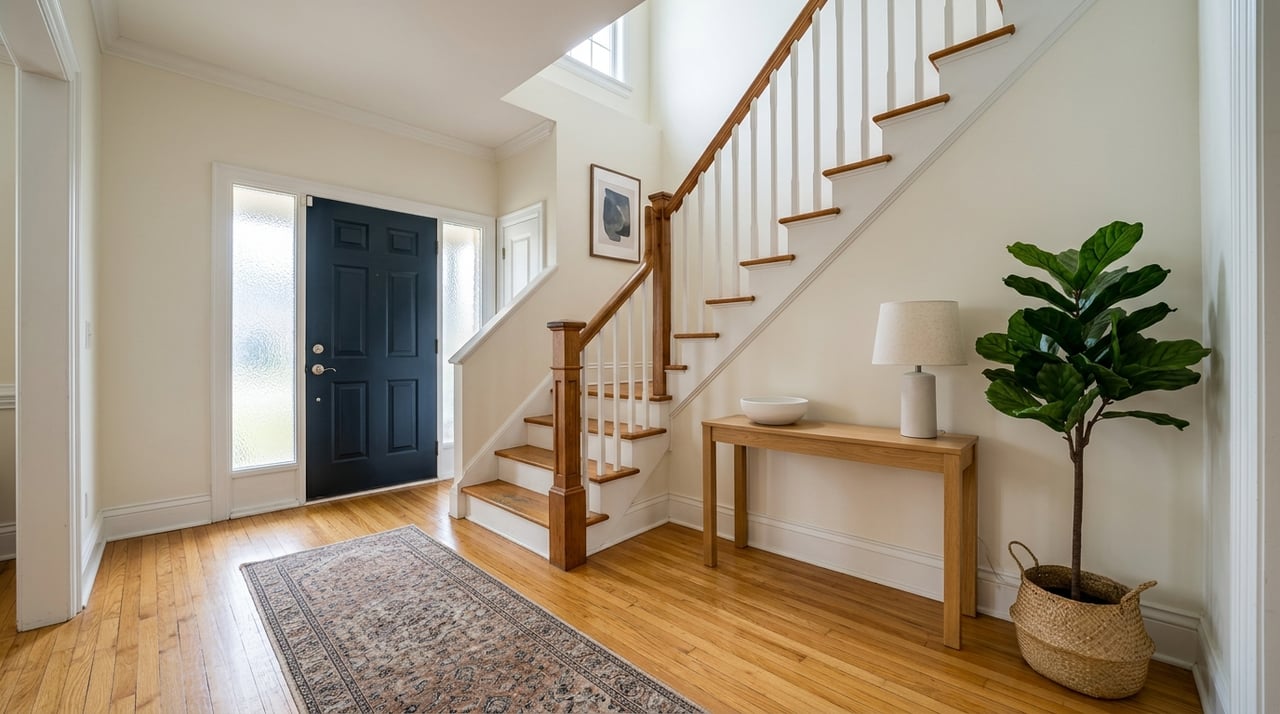
Interior photos can be wonderful if you are on a house tour or in a museum setting. Look for original millwork and built‑ins, newel posts and stair details, fireplace surrounds with tile, and in‑place period lighting.
Buying an older home in St. Paul: what to know
Historic‑district review and permits
Parts of St. Paul require design review for exterior changes like roofing, windows, porches, or additions. If a home sits inside a designated district, you will want to understand the approval process early. Start with the City’s guidance on heritage design review applications to avoid surprises.
Inspections that matter on historic homes
Older homes reward careful due diligence. Build time for specialized evaluations into your contingency period.
- Lead‑based paint: Homes built before 1978 can contain lead paint. Review local data and safety guidance through the Minnesota Department of Health’s lead information portal. If you plan to disturb painted surfaces, work with lead‑certified contractors and follow EPA RRP practices.
- Wiring and electrical: Knob‑and‑tube or early cloth‑insulated wiring can be a safety and insurance concern. Ask for a full electrical inspection and an upgrade estimate.
- Other systems to check: Historic stone or brick foundations, water intrusion at porches, galvanized or cast‑iron plumbing, older boilers, and potential asbestos in insulation or flooring. Bring in specialist inspections if your general inspector flags issues.
Incentives worth checking
If you are considering a renovation, there may be financial tools to explore.
- Federal historic rehabilitation tax credit: A 20 percent credit exists for qualifying income‑producing projects. Rules are specific and require certification. Start with the NPS guide to the federal historic tax credit and discuss details with a tax professional.
- Minnesota program: The state has administered a Minnesota Historic Rehabilitation Tax Credit that mirrors the federal program for qualifying projects. Program status and intake can change. Check current details through MNHS/SHPO, starting with this MNHS update on the state historic tax credit.
A simple buyer workflow
- Ask the listing agent for the home’s year built, a summary of renovations, any preservation easement or district status, and copies of past permits.
- Hire a home inspector who regularly evaluates older houses, then schedule specialist inspections as needed.
- If the property sits in a local heritage district, review any prior design approvals and call the City’s Heritage Preservation staff about permit needs for your plans.
- Before a major renovation, confirm potential tax‑credit eligibility with MNHS/SHPO and consult a tax advisor.
Ready to find your fit?
Whether you are drawn to a turreted Queen Anne on Summit or a sunlit Craftsman in Mac‑Groveland, the right guide makes the search smoother and more enjoyable. If you want help matching style, neighborhood, and budget, reach out to Renée Wilson to start a focused, confidence‑building home search.
FAQs
What are the easiest clues to spot a Queen Anne in St. Paul?
- Look for asymmetry, a front‑facing gable with a bay or turret, and a wraparound porch with turned posts and spindlework.
How can I tell a Craftsman bungalow from other early‑1900s homes?
- Check for low‑pitched roofs with wide overhangs, exposed rafter tails or knee braces, and tapered square porch columns on stone or brick piers.
What distinguishes a Tudor Revival house on river‑boulevard blocks?
- Steep cross gables with half‑timbering, tall narrow multi‑pane windows, and an arched or recessed front entry with a substantial chimney.
Do I need approval to replace windows in a St. Paul historic district?
- Often yes. Many exterior changes in designated districts require design review, so contact the City’s Heritage Preservation office before planning work.
Are there tax credits for renovating a single‑family historic home?
- The federal 20 percent credit applies to income‑producing properties, not owner‑occupied homes; check current state programs and talk with a tax professional.
Where should I go for a quick architecture tour?
- Start at Summit Avenue for mansions in multiple styles, then head to Macalester‑Groveland for Craftsman bungalows, Foursquares, and Tudors on leafy side streets.