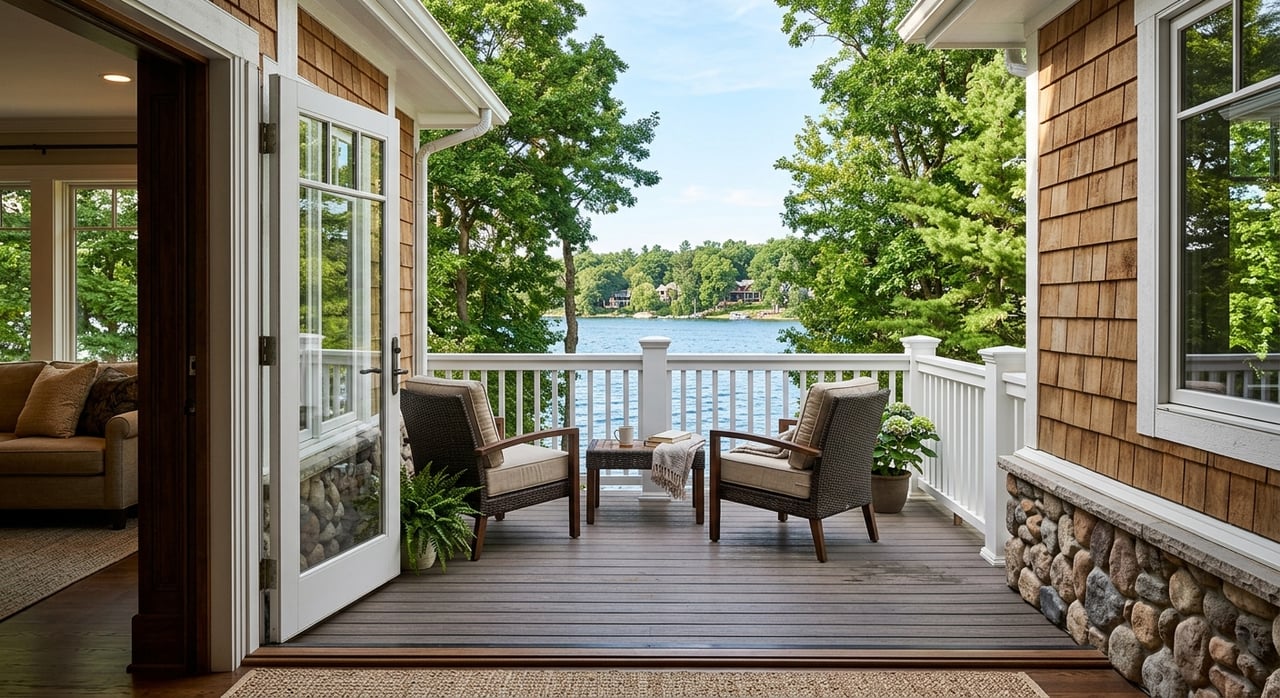
If you want city living with easy access to water, trails, and green space, the Minneapolis Chain of Lakes stands out. For many buyers, this area offers a rare mix of everyday convenience and outdoor recreation without leaving the city. When you understand how the lakes connect, how each area feels, and what housing looks like nearby, it becomes much easier to decide whether this part of Minneapolis fits your lifestyle. Let’s dive in.
What the Chain of Lakes Includes
The Minneapolis Chain of Lakes Regional Park covers 1,555.30 acres and connects Brownie Lake, Cedar Lake, Lake of the Isles, Bde Maka Ska, and Lake Harriet. It also includes the parkways and trail system that link these lakes together, creating a connected outdoor district rather than a single waterfront area.
This matters when you picture daily life here. You are not choosing one park with a nice view. You are choosing access to a broader network with 14.81 miles of pedestrian trails and 15.27 miles of bike trails, all within one of the park districts that ties into the Grand Rounds National Scenic Byway.
How the Area Feels Day to Day
Life near the Chain of Lakes often revolves around movement and access. Depending on the season, your routine may include walking the lakes, biking between neighborhoods, swimming at a beach, paddling on the water, or enjoying time in the parks after work.
The setting also changes from block to block. According to Minneapolis ward information, the lake area stretches across Ward 7 and Ward 10, including neighborhoods such as East Isles, Kenwood, Linden Hills, West Maka Ska, East Bde Maka Ska, and Lowry Hill East. In practical terms, the east and northeast sides tend to feel more urban and mixed-use, while the south and west sides feel more residential.
Lake-by-Lake Lifestyle Differences
Bde Maka Ska: Active and Energetic
Bde Maka Ska Park is the largest lake in the chain and one of the busiest. It features three beaches, a 3.1-mile pedestrian loop, watersport rentals, archery, and winter-friendly trail access.
For many residents, Bde Maka Ska feels like the most active and social part of the lake system. The renovated pavilion area includes a year-round market, which means some amenities stay useful even after summer ends.
Lake Harriet: Events and Gathering Spaces
Lake Harriet Park is well known for its social energy and summer programming. It has two beaches, a boat launch east of the bandshell, and outdoor daily concerts during the summer season.
If you enjoy a neighborhood setting with regular activity, Lake Harriet often feels like a natural draw. The bandshell gives this part of the Chain a true community gathering point, not just a scenic loop for exercise.
Lake of the Isles: Quiet and Loop-Focused
Lake of the Isles Park offers a quieter pace. It has 2.63 miles of pedestrian trails, plus an ice rink, dog park, and access to cross-country skiing on Chain of Lakes trails.
This area often appeals to people who want a calmer outdoor rhythm. Walkers, runners, and dog owners tend to appreciate its quieter setting and the fact that paved trails are maintained through winter.
Cedar Lake: Natural and Less Programmed
Cedar Lake Park has a more natural feel than some of the other lakes. It includes three beaches, a fishing pier, canoe access, and 1.68 miles of pedestrian and bike trails.
Even with that more relaxed feel, Cedar Lake still connects directly into the larger trail and lake network. That gives you a balance of quieter scenery and practical access to the rest of the area.
Outdoor Access in Every Season
One of the biggest advantages of living near the Chain of Lakes is that it is not just a summer destination. The park system supports year-round activities, and planning information for Cedar Lake and Lake of the Isles highlights walking, biking, swimming, fishing, canoeing, kayaking, cross-country skiing, and ice skating as part of the four-season experience.
That creates a different kind of city lifestyle. Instead of needing to drive to outdoor amenities, you may have them built into your everyday environment, even during winter.
What to Know About Beaches and Water Access
The Chain of Lakes includes five of Minneapolis' 12 beaches, along with boat launches, canoe and kayak storage, and watercraft rentals at major lakes. That makes water access a real part of everyday life for many nearby residents, not just an occasional outing.
At the same time, it helps to have realistic expectations. The Minneapolis Park and Recreation Board monitors beach water quality weekly, may close beaches when E. coli levels exceed state guidelines, and advises against swimming after heavy rain. It also notes that ice on Minneapolis water bodies is never 100% safe, which is an important reminder during colder months.
Housing Near the Lakes
Housing near the Chain of Lakes is more varied than many buyers expect. This is not one uniform neighborhood with one home style. Your options can shift quite a bit depending on whether you are closer to Uptown and Lake Street or farther south and west toward more residential blocks.
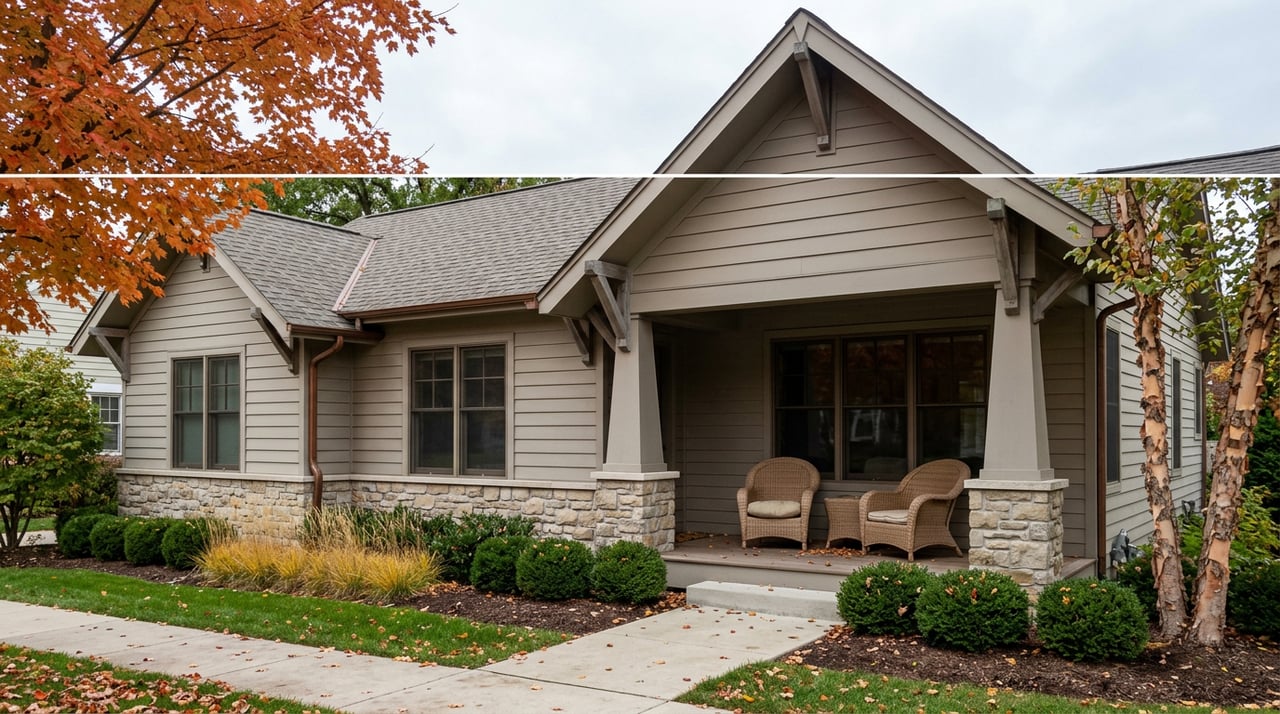
City materials describe East Isles as having a range of housing from older homes to modern apartment buildings and newer condo developments. In Linden Hills, the housing stock is described as largely residential with many single-dwelling parcels, along with duplexes, multi-unit buildings, and condos. In the Lynnhurst Residential Historic District, about 80% of the housing was built before 1940 and ranges from smaller bungalows to larger architect-designed homes on larger lots.
The takeaway is simple: if you are considering life near the lakes, you can find a mix of apartments, condos, duplexes, and single-family homes depending on the exact neighborhood and block. That mix is part of what makes the area appealing to a wide range of buyers and relocators.
Urban Convenience Meets Park Living
A major reason people are drawn to this part of Minneapolis is that it blends outdoor access with city connectivity. The Chain of Lakes is part of the Grand Rounds network, and the city notes that the Midtown Greenway directly serves neighborhoods including East Isles, Cedar-Isles-Dean, Lowry Hill East, and West Bde Maka Ska.
That means lake living here does not feel cut off from the rest of the city. In many cases, you get a park-centered lifestyle while still staying close to restaurants, neighborhood business districts, and everyday urban conveniences.
Challenges to Consider
Every popular area comes with tradeoffs, and the Chain of Lakes is no exception. Crowds can be part of the experience, especially around major lakes and gathering areas during peak weather and event seasons.
It is also a lifestyle shaped by conditions. Water quality, weather, trail use, and winter safety all affect how you enjoy the area from week to week. For many buyers, that is still an excellent trade, but it is worth understanding before you move.
Is the Chain of Lakes Right for You?
If you want a Minneapolis lifestyle centered on trails, water, and four-season recreation, the Chain of Lakes offers something hard to match. It combines diverse housing choices, connected parks, and strong access to both nature and city life.
The key is choosing the right lake area and nearby neighborhood for your routine, housing goals, and pace of life. If you are thinking about buying or selling near the lakes, Renée Wilson can help you compare neighborhoods, understand local housing patterns, and make a move with clear, steady guidance.
FAQs
What is included in the Minneapolis Chain of Lakes Regional Park?
- The Chain of Lakes Regional Park includes Brownie Lake, Cedar Lake, Lake of the Isles, Bde Maka Ska, Lake Harriet, and the connecting trails and parkways.
What is daily life like near the Minneapolis Chain of Lakes?
- Daily life often includes walking, biking, running, swimming, paddling, and year-round park use, with the feel varying by lake and neighborhood.
What kinds of homes are near the Minneapolis Chain of Lakes?
- Housing near the lakes includes apartments, condos, duplexes, and single-family homes, with more mixed-use housing near Uptown and more traditional residential areas in places like Linden Hills and Lynnhurst.
Is the Minneapolis Chain of Lakes active in winter?
- Yes. The area supports winter activities such as walking, biking, cross-country skiing, and ice skating, and some paved trails are maintained through the season.
Are Minneapolis Chain of Lakes beaches open all the time?
- No. Beach access can change based on water quality conditions, and the park board may close beaches when testing shows E. coli levels above state guidelines.