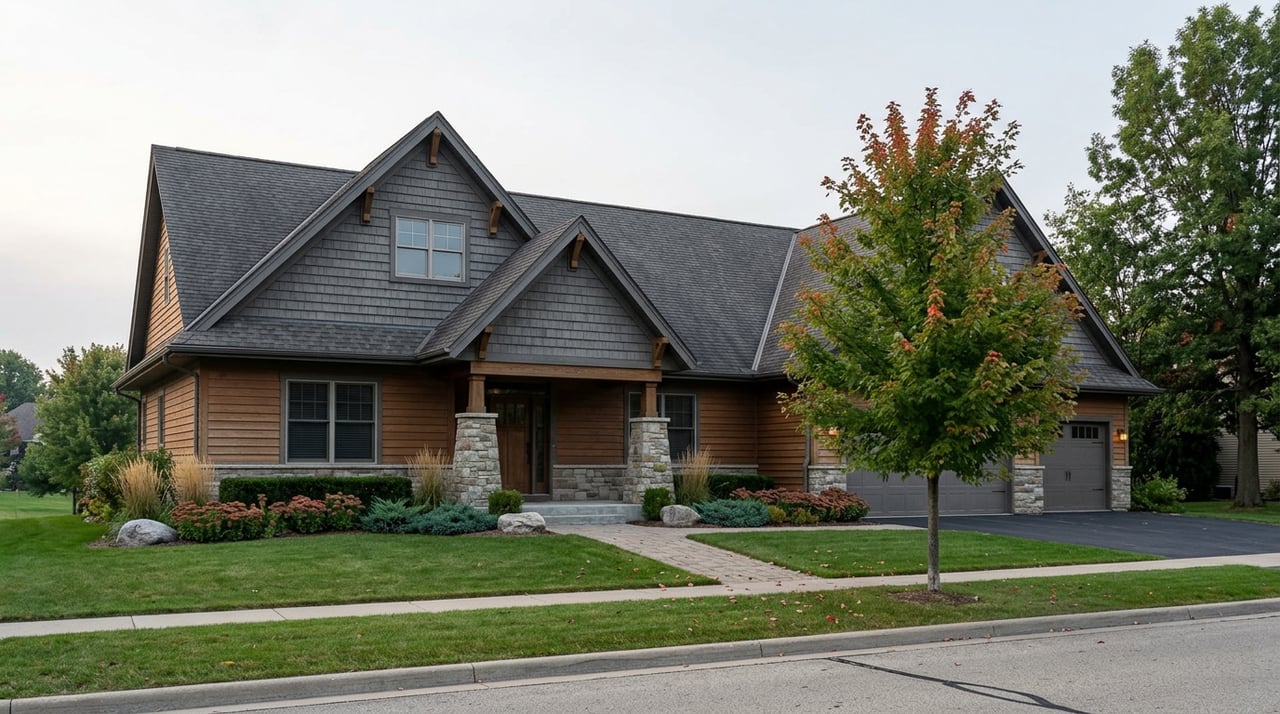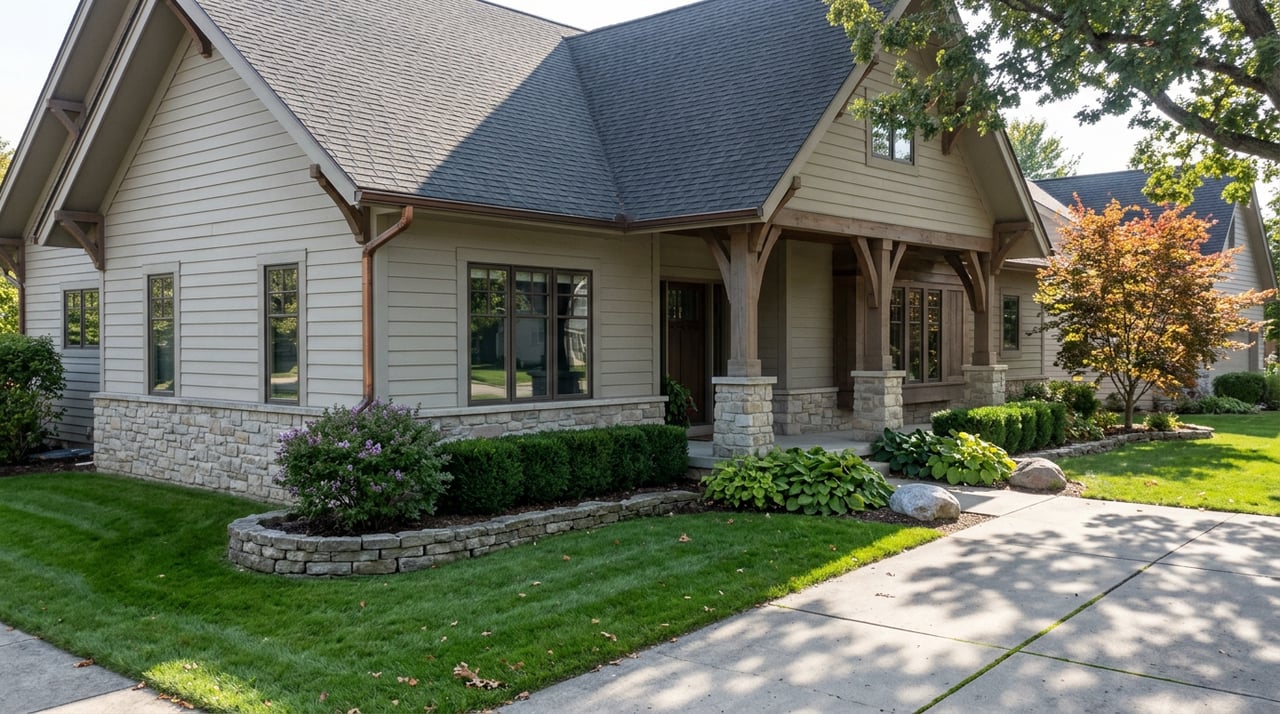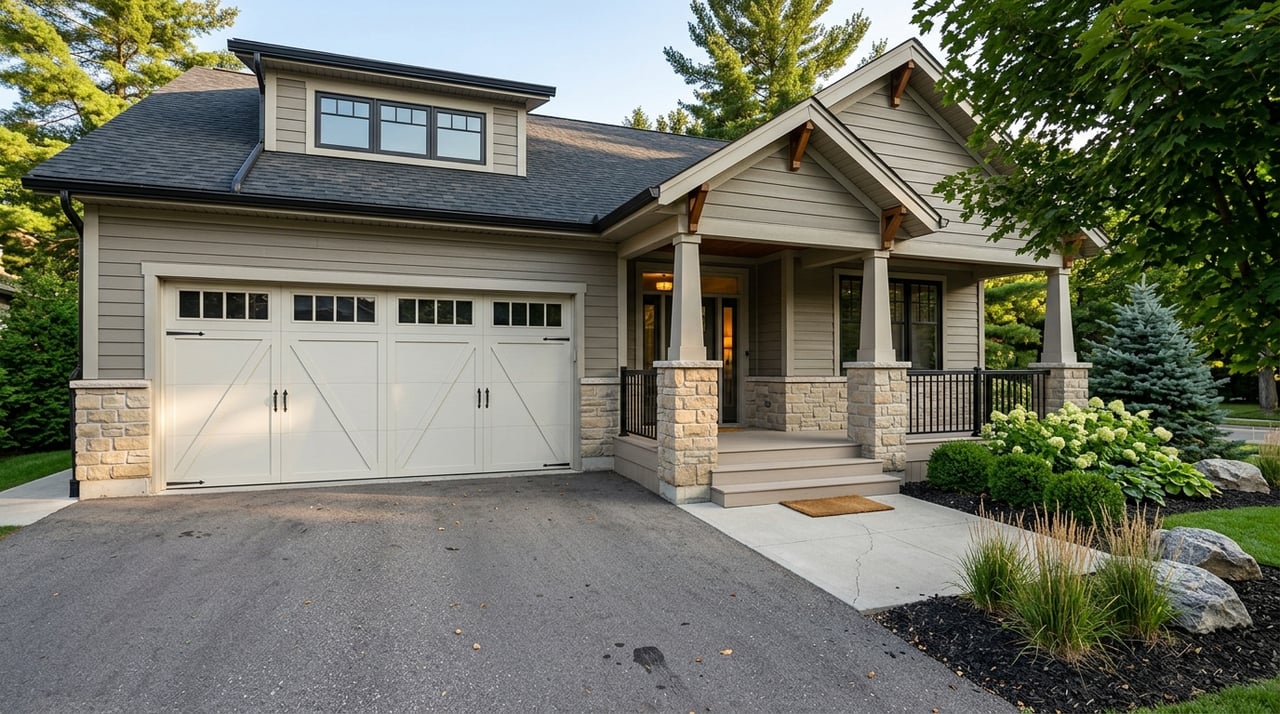
Trying to decide between Minnetonka and the Lake Minnetonka area? You are not alone. Many buyers love this part of the west metro but get stuck on one big question: do you want the convenience of a larger suburban city, or the day-to-day feel of a smaller lake-centered community? This guide will help you compare housing, lifestyle, access, and daily routines so you can choose with more confidence. Let’s dive in.
Start With the Big Difference
Minnetonka and the Lake Minnetonka area are close to each other, but they do not offer the same living experience. Minnetonka is a fully developed suburban community with more than 53,000 residents and is located about eight miles west of Minneapolis. The city describes itself as a suburban place shaped by trees, wetlands, prairies, and water, with a layout built around regional roads, trails, and park-and-ride access.
The broader Lake Minnetonka area is much more of a patchwork. Lake Minnetonka itself spans 14,500 acres, includes 125 miles of shoreline, and touches 14 municipalities. That means the lake area is not one single market or one single lifestyle. It is a collection of smaller communities, each with its own scale and personality.
That size difference matters. Minnetonka functions more like a suburban anchor, while lake towns such as Wayzata, Excelsior, Deephaven, Mound, Greenwood, and Minnetonka Beach often feel more identity-driven and place-specific. If you are choosing between them, you are really deciding how much you want shoreline living to shape your everyday life.
Minnetonka: Suburban Flexibility
Minnetonka tends to appeal to buyers who want options. The city has a wider mix of housing types than many shoreline communities, including single-family homes, multifamily housing, townhomes, and a small share of duplex and similar properties. That variety gives you more ways to match your budget, space needs, and maintenance preferences.
Land use also supports a more traditional suburban pattern. About half of Minnetonka’s land is low-density residential, with additional space dedicated to parks, water, commercial areas, institutions, undeveloped land, and roads. In practical terms, that often means you can find neighborhood-style living without giving up access to shopping, commuting routes, or outdoor amenities.
This makes Minnetonka a strong fit if you want a home base that is not defined by one feature alone. You may still enjoy lake access, trails, parks, and mature natural surroundings, but your property does not need to revolve around the shoreline.
Lake Area: Community by Community
The Lake Minnetonka area is more specialized. Many of the towns around the lake are smaller and more residential in character, and they often feel less like broad suburbs and more like distinct communities with their own patterns of living.
Wayzata describes itself as a lakeside village with a downtown business community and residential neighborhoods. Excelsior is a one-square-mile city with a historic downtown and small-town atmosphere. Deephaven describes itself as essentially residential with a small commercial area, while Minnetonka Beach is primarily residential.
Mound and Shorewood also reflect this more water-oriented pattern. These communities emphasize lakeside amenities, dock systems, beaches, and trail connections. If you are drawn to a setting where the lake is part of the rhythm of daily life, this kind of community may feel more natural to you.
Compare Housing and Lot Styles
One of the biggest practical differences is the kind of lot and setting you want. In Minnetonka, housing choices tend to feel more conventional for a mature west-metro suburb. You will generally see more neighborhood variety and more housing-form diversity across the city.
Around Lake Minnetonka, lot style can change a lot from one area to the next. Official planning in Orono highlights this well: lakeside areas developed with closely spaced homes, while inland areas remained more rural, with larger parcels, open space, private roads, and in some places septic systems and wells. That tells you something important about the broader lake market.
When someone says they want to live in the Lake Minnetonka area, that could mean several very different things:
- A compact lot near a village-style downtown
- A shoreline property with direct lake orientation
- A wooded inland parcel with a quieter, more rural feel
- A residential setting where water access is nearby but not directly on the lot
If your top priority is flexibility in home type and neighborhood setup, Minnetonka may give you more room to choose. If your top priority is a more specific lake-oriented setting, the shoreline communities may offer a better match.
Think About Water Access
This is where many buyers separate the two choices.
Minnetonka does offer lake access. Gray’s Bay Marina provides a public access point with trailer parking, launch lanes, permanent slips, and joint city and DNR management. That means you can enjoy proximity to Lake Minnetonka without needing a shoreline address.
The lake towns tend to make water access more central to everyday living. Excelsior’s Commons and Port of Excelsior include two swimming beaches, docks, and excursion-boat docking. Wayzata has a public beach next to the Dakota Rail Trail, Shorewood offers Crescent Beach for public swimming and kayak or canoe launching, and Minnetonka Beach provides about 80 dock slips for non-riparian residents through a municipal dock license.
Mound stands out for organized lake access. It operates the largest municipally owned dock program in Minnesota, serving up to 637 boats annually with about 144 dock sites and 100 slip sites for inland residents. For some buyers, systems like these make the lake lifestyle more realistic even without direct frontage.
So the real question is not simply, “Do you want lake access?” Both areas can offer that. The better question is, “How central do you want the lake to be to your property and daily routine?”
Daily Life and Commuting
Minnetonka is built for regional access. Major corridors include I-394, I-494, Highway 7, and Highway 169, and Metro Transit serves the city with local and express routes plus park-and-rides at I-394/Hopkins Crossroad and I-394/Plymouth Road. The city reports that driving alone is the primary commute mode, with 71% of residents commuting that way in 2021.
The same city data says 14% of residents worked from home and 4% used public transportation. Most commuters were less than 25 minutes from work, though 32% drove more than 25 minutes. That mix suggests Minnetonka works well if your week includes commuting, errands, and travel across the metro.
The lake communities can also be convenient, but the experience is more location-specific. Wayzata is about 11 miles from downtown Minneapolis, Excelsior says it is about 20 minutes from downtown, Minnetonka Beach says it is 30 minutes west of downtown, and Mound is about 20 miles west of Minneapolis. Transit options also serve the west metro, including nodes like the Plymouth Road Transit Center and the Mound Transit Center.
In simple terms, Minnetonka is often the safer choice if broad suburban convenience and freeway access matter most. The lake towns may be a better fit if you are happy to trade some of that simplicity for a more village-like or shoreline-centered setting.
Which Communities Fit Which Priorities?
If your decision still feels close, it helps to match each area to your top priorities.
Choose Minnetonka if you want
- More housing variety
- Strong freeway access
- Parks and trail connections
- A suburban setting with lake access nearby
- Flexibility without making shoreline living the center of the property
Choose Wayzata or Excelsior if you want
- A clear blend of downtown activity and lake life
- A smaller community feel
- Water access paired with a more walkable, village-style setting
Choose Orono, Minnetonka Beach, or Deephaven if you want
- A quieter, more residential setting
- Greater variation between shoreline and inland parcels
- A community where the lake has a stronger influence on lot style and neighborhood feel
Choose Mound or Shorewood if you want
- A residential shoreline community
- Organized dock, beach, and trail access
- A lifestyle more closely tied to municipal lake amenities
A Simple Way To Decide
If you are torn, try this exercise: picture your average Tuesday, not your perfect summer Saturday. Think about how you will commute, run errands, use outdoor spaces, and spend time close to home. Your answer often becomes clearer when you focus on daily patterns instead of special occasions.
Minnetonka usually makes sense if you want a broader suburban framework with access to the lake as a benefit, not the whole story. The Lake Minnetonka communities usually make sense if you want the setting, lot style, and local identity to feel more closely tied to the water.
Neither choice is automatically better. The right fit depends on how you want to live, what kind of property feels comfortable, and how much you want the lake to shape your routine.
If you are comparing Minnetonka with Wayzata, Excelsior, Mound, Orono, Deephaven, or another Lake Minnetonka community, working through those tradeoffs with an experienced local advisor can save you time and help you focus on the right homes. If you would like practical guidance tailored to your move, connect with Renée Wilson.
FAQs
What is the main difference between Minnetonka and the Lake Minnetonka area?
- Minnetonka is a larger suburban city with broad housing options, regional road access, trails, and some lake access, while the Lake Minnetonka area is a collection of smaller communities where shoreline living and local identity often play a bigger role.
Does Minnetonka have access to Lake Minnetonka?
- Yes. Minnetonka has lake access through Gray’s Bay Marina, which includes public access features such as launch lanes, trailer parking, and permanent slips.
What kinds of homes can you find in Minnetonka?
- Minnetonka has a broad mix of housing, including single-family homes, multifamily housing, townhomes, and a small share of duplex and similar units.
What does “Lake Minnetonka area” really mean for buyers?
- It means a range of community types and property styles, from compact village lots to shoreline homes to inland parcels with a more wooded or rural feel.
Which Lake Minnetonka communities are best for downtown and lake access?
- Wayzata and Excelsior are the clearest examples in the research report of communities that blend downtown activity with lake living.
Is Minnetonka or the Lake Minnetonka area better for commuting?
- Minnetonka is generally better positioned for buyers who prioritize freeway access, multiple regional corridors, and broader suburban convenience.
Which Lake Minnetonka communities have organized dock access?
- The research report notes municipal dock access in places like Minnetonka Beach and Mound, with Mound operating the largest municipally owned dock program in Minnesota.
How should you choose between Minnetonka and a Lake Minnetonka town?
- Start with your daily lifestyle priorities, especially housing type, commute needs, water access preferences, and whether you want a broad suburban setting or a smaller lake-centered community.