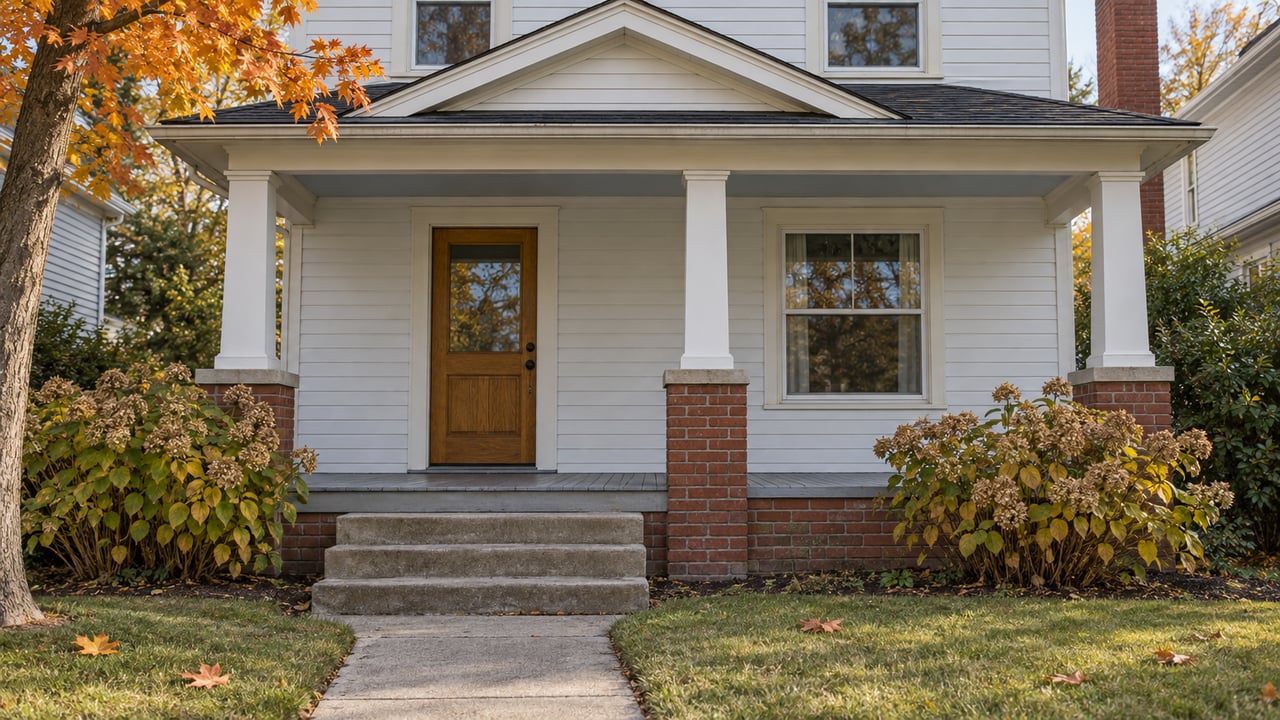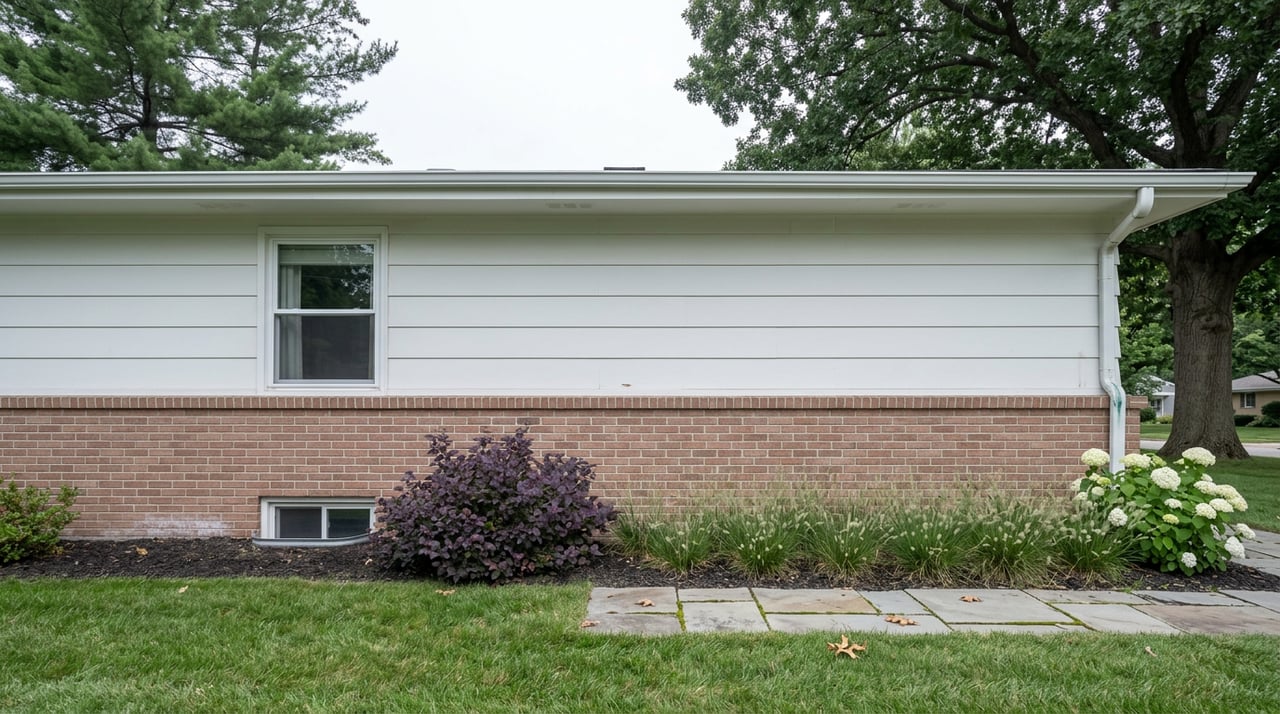
Most sellers preparing a Minnetonka home built in the 1960s or 70s brace for the obvious things. A dated kitchen. A roof that's due. Maybe a furnace with a few winters left in it. What actually stalls these deals, more often than not, has nothing to do with anything a buyer can see on a walkthrough. It's in the pipe under the driveway and the panel behind the basement stairs, and it surfaces at the exact moment a seller has the least room to negotiate.
Here's the part that catches people off guard: Hennepin County's well-sealing cost-share isn't available once the property is listed for sale.
Where Minnetonka's Housing Stock Actually Sits
Minnetonka has been building continuously since 1955, which means a single sale in this city can span a $385,000 starter rambler and a multimillion-dollar lakefront estate inspected in the same week. The bulk of what's on the market right now, though, falls into a narrower band: mid-century ramblers and split-levels concentrated in neighborhoods like Glen Lake, Hilloway, Highwoods, Lake Forest, and Fair Hills, most of them built between 1958 and the mid-1980s. A newer wave of custom homes along Linner Road, Townline Road, and the Cedar Hills ridge sits closer to the 1990s and 2000s, with a different set of issues entirely.
That range matters because inspectors don't apply a generic national checklist to a Minnetonka house. They apply the checklist for the decade it was built.
| Era | Typical neighborhoods | Systems most likely to need attention |
|---|---|---|
| Late 1950s to mid-1960s | Early Glen Lake and Lake Forest pockets | Galvanized supply lines, clay tile sewer laterals |
| Mid-1960s to mid-1980s | Glen Lake, Hilloway, Highwoods | Galvanized supply, cast iron or clay laterals, original electrical panels |
| 1990s to 2000s custom builds | Linner Road, Townline Road, Cedar Hills ridge | PVC plumbing and sewer, but lateral-pressure foundation cracks common near the lake belt |
If your house falls in that middle band, the next section is the one worth reading twice.
The Three Things Under the Floor
Galvanized steel supply lines were standard through the mid-1980s, and a lot of Minnetonka homes still have them, sometimes coexisting with newer plumbing from a partial remodel that never touched the original runs. The tell is usually reduced pressure at an upstairs bathroom or a faint rust tint the first time water runs after sitting overnight. Neither is dramatic. Both show up on an inspection report as an item a buyer's lender or agent will want addressed or priced into the offer.
Below the yard, pre-1980 sewer laterals in Minnetonka are typically clay tile or cast iron, and both materials share the same weakness: joints. Minnesota's freeze-thaw cycle works those joints loose over decades, and once there's a gap, tree roots find it. Minnetonka's mature tree canopy, one of the things that makes these lots desirable in the first place, is also what drives root intrusion into older laterals. A sewer scope is considered close to mandatory on any Minnetonka home over 25 years old, and effectively non-negotiable if there's a mature tree anywhere near the line's path.
There's a live example of why this matters beyond the individual property line. Storm sewer work near the Cedar Lake Road and Jordan Avenue interchange along Highway 169 is changing how water moves through that corridor as it wraps up this fall, and Excelsior Boulevard construction is continuing into 2027. Neither project touches your lateral directly, but both are the kind of infrastructure shift that can put new pressure on older sump and foundation drain systems nearby. If your home sits near that construction zone, a sewer scope done now gives you a documented baseline before the next construction season.
The third item is the electrical panel. Original panels from the 1965-1985 window sometimes include Federal Pacific or Zinsco equipment, both known for reliability problems that insurers and inspectors flag on sight. If yours hasn't been swapped, expect it to come up.
Well-Sealing and Septic Timing
Here's the mechanism that actually shapes how this should be timed, and it's specific to Hennepin County.
If your property still has a well on it, even one that hasn't been used in years, Hennepin County will cover 75 percent of the cost to seal it properly, up to $2,000. Unsealed legacy wells are a groundwater risk. But the grant has one condition that trips up sellers every year: it isn't available once the property is listed for sale. Seal it in April while you're still living there and quietly planning to sell in June, and the county helps pay for it. Wait until your agent puts a sign in the yard, and you're covering the full cost yourself, on a timeline set by someone else's inspection contingency.
Septic works differently but lands in the same trap. Hennepin County doesn't require a septic inspection to sell a home. State law only requires that you disclose what you know about the system to the buyer. In practice, that gap closes fast, because most mortgage lenders require a current Certificate of Compliance before they'll fund the loan, and that certificate is only valid for three years from a Minnesota Pollution Control Agency-certified inspector. A seller who assumes "the county doesn't require it" often discovers mid-escrow that their lender's underwriter does, and now the inspection is happening on the buyer's clock instead of the seller's.
Neither of these systems is common in the denser parts of Minnetonka on municipal sewer and water, but they show up more than people expect on older lots that predate full utility hookup. If you're not sure what your property has, that's worth confirming before you set a listing date, not after.
Why the Timing Actually Matters More Than the Price
Minnetonka's current market gives sellers real leverage, but that leverage isn't permanent, and understanding when it disappears is the actual point of this whole conversation.
Over the three months ending in May 2026, Minnetonka homes sold at a median of $515,000, up 4.6 percent from the same period a year earlier, moving in around 17 days with an average of two offers per listing. That's a seller's market by any normal reading. But that leverage exists specifically in the window before a home goes under contract, when multiple buyers are competing for one house. The moment you accept an offer, the negotiating field shrinks to exactly one buyer, and if that buyer's inspector finds a galvanized line, a root-choked lateral, or a septic system with an expired compliance certificate, they now hold the leverage you had a week earlier.
That is why doing the sewer scope, the well documentation, and the panel assessment before you list can be useful. It isn't about avoiding disclosure. It's about controlling when you find them. A defect discovered in March while you're still deciding on a list date is a repair estimate you can act on, price around, or fix outright. The same defect discovered in week two of a signed purchase agreement is a renegotiation, usually on terms you didn't set.
What This Actually Looks Like Before You List
If your home falls into that 1958-1985 window, three things are worth doing months before your first showing, not the week before it.
Get a camera sewer scope, especially if there's a mature tree anywhere near the lateral's likely path. It costs far less than a mid-escrow surprise and gives you a document you can hand to a buyer's agent proactively.
Find out if there's a well on the property, used or not, and if there is, look into the county's sealing program before you set a listing date. The cost-share is available only before the property is listed.
If you're on a private septic system, check the date on your last compliance inspection. If it's close to three years old or older, get it renewed now rather than finding out from an underwriter later in the process.
None of this changes what your home is worth. It changes who's negotiating from strength when the inspection report lands on the table.
Frequently Asked Questions
Does Minnetonka or Hennepin County require a septic inspection before I sell? No. The county doesn't mandate an inspection at point of sale, only disclosure of what the seller knows about the system. Most mortgage lenders require a valid Certificate of Compliance anyway, which is where the practical requirement comes from.
How old does a sewer lateral have to be before a scope is worth it? Twenty-five years is the general threshold inspectors use in this market, and any home with mature trees near the line's path should have one regardless of the home's age.
What if I don't know whether my property still has an old well on it? Records aren't always clear on older Minnetonka lots, particularly ones that predate full municipal hookup. A licensed well contractor can confirm what's there, and if a well exists, timing the sealing before you list is the only way to access the county's cost-share.
If you're weighing a sale in Minnetonka's older neighborhoods and want a clear read on what your specific home is likely to face at inspection, Renée Wilson has spent three decades walking sellers through exactly this kind of preparation. A conversation now costs nothing and can save weeks of renegotiation later. Request a home valuation or schedule a consultation to talk through your timeline before you set a list date.
This article is general information, not legal, tax or financial advice. Consult a qualified professional about your situation.