Not sure where to start in St. Paul? With riverfront condos, historic districts, and leafy residential streets, the options can feel overwhelming. If you are relocating, you want a clear, practical way to compare neighborhoods before you commit. This guide walks you through what to check, where to find reliable data, and how to match an area to your lifestyle and budget. Let’s dive in.
Start with your priorities
Before you look at maps and listings, write down what matters most. A short list keeps you focused when choices multiply.
- Commute time or transit access
- Housing type and budget, including monthly costs
- School assignment or education options
- Walkability, parks, and daily conveniences
- Renovation comfort level and historic rules
Use a simple scoring system. Rank each neighborhood against your top five priorities so you can compare options objectively.
Know the lay of the land
St. Paul is Minnesota’s capital and one of the Twin Cities, closely linked to Minneapolis by highways and light rail. You will find everything from downtown and Lowertown condo living to established residential districts and university-adjacent areas. For a quick snapshot of population, household income, and housing tenure, review the U.S. Census QuickFacts for Saint Paul city. You can also use the City’s official neighborhood map when you want precise boundaries.
- Review city indicators: check the latest figures in the U.S. Census QuickFacts for Saint Paul city.
- Confirm boundaries: use the City of St. Paul neighborhood map to understand official area lines and names.
U.S. Census QuickFacts for Saint Paul
City of St. Paul neighborhood map
Housing costs and property taxes
Price and inventory shift month to month, so rely on current listings and your agent’s market intel for “today’s” numbers. Remember to assess the full monthly cost, not just the mortgage or rent. Include property taxes, homeowner’s insurance, and potential HOA dues if you are considering a condo or townhome.
- Estimate taxes: use Ramsey County’s property tax resources to understand annual taxes for specific addresses.
- For condos: ask for HOA bylaws, reserves, and assessment history before you make an offer.
Ramsey County property tax information
Commute and transportation
Your daily trip shapes quality of life. St. Paul connects by I-94 and I-35E, and many residents rely on Metro Transit buses and the Green Line light rail that runs between downtown St. Paul and downtown Minneapolis.
- Test your route: drive or ride your expected commute at rush hour.
- Transit check: confirm bus or rail frequency and stop proximity.
- If you are car-light: look at sidewalk conditions, bike routes, and parking rules on your target blocks.
Metro Transit routes and schedules
Schools and education
If school assignment is part of your decision, verify details early. St. Paul Public Schools uses attendance areas and also offers magnet and charter options. Different neighborhoods have different school boundaries, and policies can change.
- Confirm boundaries and enrollment: review St. Paul Public Schools information.
- Compare performance data: use Minnesota Department of Education report cards for current metrics.
St. Paul Public Schools
Minnesota Department of Education report cards
Safety and crime
Safety perceptions vary by block. To get a balanced view, combine data with on-the-ground visits. Review recent reports, look at trends, and visit at different times of day.
- Data check: scan the St. Paul Police data dashboard for neighborhood trends.
- Street check: observe lighting, foot traffic, and activity in the evenings and on weekends.
St. Paul Police data dashboard
Parks, trails, and daily amenities
Parks and recreation can be a major tiebreaker. St. Paul features regional destinations like Como Park, Phalen Regional Park, and the Mississippi River trails, plus local playgrounds and neighborhood retail. When you tour, note how quickly you can reach grocery stores, clinics, gyms, and your favorite hobbies.
- Walk your errands to test walkability.
- Check weekend patterns at parks and gathering spots.
Flood risk and topography
Some parts of St. Paul sit near the Mississippi River and local floodplains. If a home is close to low-lying areas, confirm risk before you write an offer.
- Verify flood zones: use official FEMA Flood Insurance Rate Maps.
- Ask your insurance agent about potential coverage requirements.
Historic rules and renovations
St. Paul includes several historic districts where exterior changes may require review. Preservation rules can affect timelines and costs, so clarify guidelines up front if you plan to renovate.
- Ask about district status during showings.
- Review property permits and any open violations through the City’s inspections portal.
Future development to watch
Planned projects can influence traffic, amenities, and long-term values. A high-profile example is the Highland Bridge redevelopment on the former Ford site in Highland Park. Study project timelines and community meeting notes to understand potential impacts.
Neighborhood snapshots
Use these high-level profiles to narrow your list, then do block-level visits for fit.
Downtown and Lowertown
- Character: urban core with more condos and apartments, arts and entertainment venues, and year-round events.
- Best fits: people who want a walkable lifestyle and proximity to downtown jobs.
- Considerations: parking costs, event traffic, and street noise vary by location.
Summit Hill, Summit Avenue, and Cathedral Hill
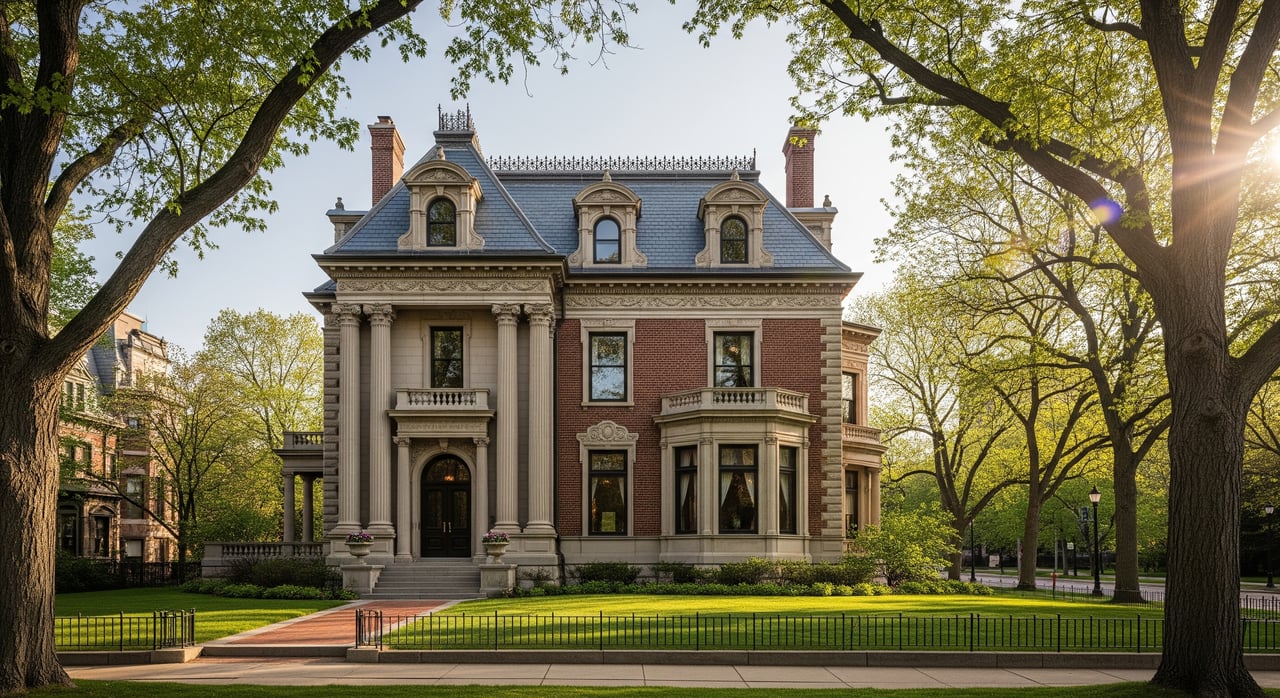
- Character: historic architecture, tree-lined streets, and a mix of single-family homes and multifamily buildings.
- Best fits: buyers who value historic character and close-in access to civic and cultural sites.
- Considerations: exterior changes may be subject to historic-preservation review.
Macalester-Groveland
- Character: a mix of owner-occupied homes and small apartments near Macalester College, with neighborhood retail.
- Best fits: households seeking established residential streets with access to schools and parks.
- Considerations: well-maintained homes can draw strong interest.
Highland Park
- Character: established residential area along the river with parks and active commercial corridors; major redevelopment underway at Highland Bridge.
- Best fits: buyers who want greenspace access and convenient routes to both downtowns and the airport.
- Considerations: new construction may affect traffic patterns and pricing over time.
Como and Como Park
- Character: anchored by Como Park and Conservatory with year-round recreation and a range of housing styles.
- Best fits: park-focused households who value active outdoor amenities.
- Considerations: confirm parking and event schedules near major attractions.
Hamline-Midway and Frogtown (Thomas-Dale)
- Character: diverse housing stock with older single-family homes and rentals, plus redevelopment along transit corridors.
- Best fits: buyers or renters seeking close-in access without downtown pricing.
- Considerations: housing quality can vary by block; schedule visits at multiple times.
Dayton’s Bluff and the East Side
- Character: historic housing near the river and areas of ongoing reinvestment.
- Best fits: buyers looking for relative affordability near downtown and trail access.
- Considerations: amenities can differ by micro-area; confirm your daily routes and services.
North End and nearby North St. Paul
- Character: established neighborhoods with a range of single-family homes and local parks.
- Best fits: first-time buyers comparing space and price across the metro.
- Considerations: evaluate commute options north and west; verify school boundaries.
For exact neighborhood boundaries, consult the City’s official map so you know where one area ends and another begins.
Your field checklist
Use this quick checklist to evaluate any neighborhood efficiently.
Before you visit
- Define budget, commute time, and housing type.
- Pre-screen listings for taxes, HOA fees, and typical utilities.
- Flag addresses near rivers or low-lying areas for a flood check.
During your visit
- Tour at different times: morning rush, evening, and weekend.
- Observe lighting, noise, parking, and street activity.
- Ride the bus or rail you would actually use.
- Talk to neighbors and local business owners.
Data and documents
- Schools: verify boundaries and enrollment through SPPS and compare metrics with MDE report cards.
- Safety: review the St. Paul Police data dashboard for recent trends.
- Flood: confirm status in FEMA maps if applicable.
- Permits: check city permit history and any open items.
St. Paul Public Schools
MDE report cards
Police data dashboard
FEMA maps
City permits and inspections
Financial steps
- Get pre-approved if you plan to buy and include property taxes, insurance, and possible flood insurance in your budget.
- For condos, review HOA health and assessment history.
- For rentals, confirm lease terms and deposit rules in advance.
Moving logistics
- Confirm utility providers, trash and recycling, and any required parking permits.
- Check winter parking rules and snow routes if you rely on street parking.
How a local expert helps
A seasoned local advisor can save you time by filtering neighborhoods that match your commute, budget, and lifestyle. You also gain block-level insight that data alone cannot show, from parking realities to renovation rules. If you are weighing several areas, an experienced agent can set a clear plan for touring, comparing, and negotiating with confidence.
If you are planning a move to St. Paul and want steady, one-on-one guidance, connect with Renée Wilson. You will get a calm, organized process backed by decades of Twin Cities experience and the reach of a leading regional brokerage.
FAQs
How do I compare St. Paul neighborhoods objectively?
- Create a ranked checklist of your top five priorities, then score each neighborhood. Combine scores with site visits at multiple times of day and a review of school, safety, tax, and flood data.
What is the best way to check commute options in St. Paul?
- Test-drive your route during rush hour and review Metro Transit schedules to confirm frequency and stop proximity for the Green Line or bus routes you would use.
How can I verify school boundaries before I choose a neighborhood?
- Use St. Paul Public Schools boundary and enrollment information, then review metrics on the Minnesota Department of Education report cards for a current, neutral comparison.
Where can I find reliable safety data for specific areas?
- Use the St. Paul Police data dashboard for recent reports and trends, then visit the area in the evening and on weekends to understand real-world activity.
Do I need to worry about flood risk near the river?
- Check the property address in FEMA’s Map Service Center. If it is in a special flood hazard area, talk with your lender and insurance agent about coverage requirements.
Will historic districts impact my renovation plans?
- Yes. Homes in historic districts often require review for exterior changes. Confirm district status early and review the City’s permit and inspections resources to plan timelines.
How do major projects like Highland Bridge affect my decision?
- Large redevelopments can add amenities and change traffic over time. Review project timelines and public updates and decide whether short-term construction aligns with your move timing.